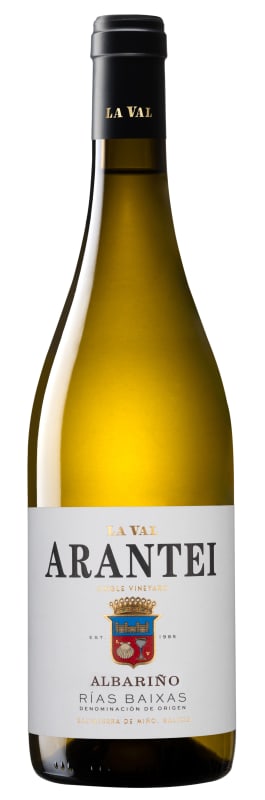


Winemaker Notes
Lemon yellow with greenish rim. Clean and bright. Complex and intense on the nose, with marked varietal typicity. Clear sensations of herbs and fruits (fennel, laurel, apple), fresh citrus notes (grapefruit, lychee), lees (brioche) and marked mineral aromas (quartz, flint). Good structure marked by a powerful acidity. Harmonious, it maintains its fruity and herbaceous character. Long, fresh citrus finish.
Professional Ratings
-
Jeb Dunnuck
A single vineyard wine, the 2024 La Val Arantei is 100% varietal, the grapes picked from one of the best plots of the heritage site. Stainless steel fermented with native yeasts, it aged on its lees in both stainless and French oak of varying sizes. Super soft and silky in texture, it’s an elegant expression of subtle peach and orangey citrus, with moderated acidity and impressive length. Drink now and over the next 8-10 years.
-
James Suckling
This shows bright apple aromas with a saline edge, good volume and a rounded mouthfeel. Medium- to full-bodied, textural yet precise. It’s acid-driven and savory, with phenolic tension that adds grip and character in the finish. From a single vineyard planted on alluvial soils.
-
Robert Parker's Wine Advocate
The 2024 Arantei is a single-vineyard Albariño from the 26 hectares of 38-year-old vines planted in pergola on alluvial soils from the Miño River with clay. These soils deliver fruit-driven and balanced wines. It fermented with indigenous yeasts, and 20% of the wine matured in oak, 600-liter barrels and 1,200 and 2,000-liter foudres for six months. it has a more developed nose, like the wine had a longer élevage, with notes of mature Albariño. The oak is subtle, and there's only a faint creaminess in the palate, making it a bit more unctuous, reflecting soils with more clay, which give it more volume and a more hedonistic profile but with freshness and vibrancy. It comes in at 12.5% alcohol with a pH of 3.2 and 7.3 grams of acidity.
Rating: 91+ -
Wine Spectator
Hints of crushed pine, grapefruit pith and milled white pepper are a zesty thread lacing juicy pear, persimmon and melon flavors. Creamy and long on the palate while staying light on its feet, with lasting spice and mineral accents on the mouthwatering finish.
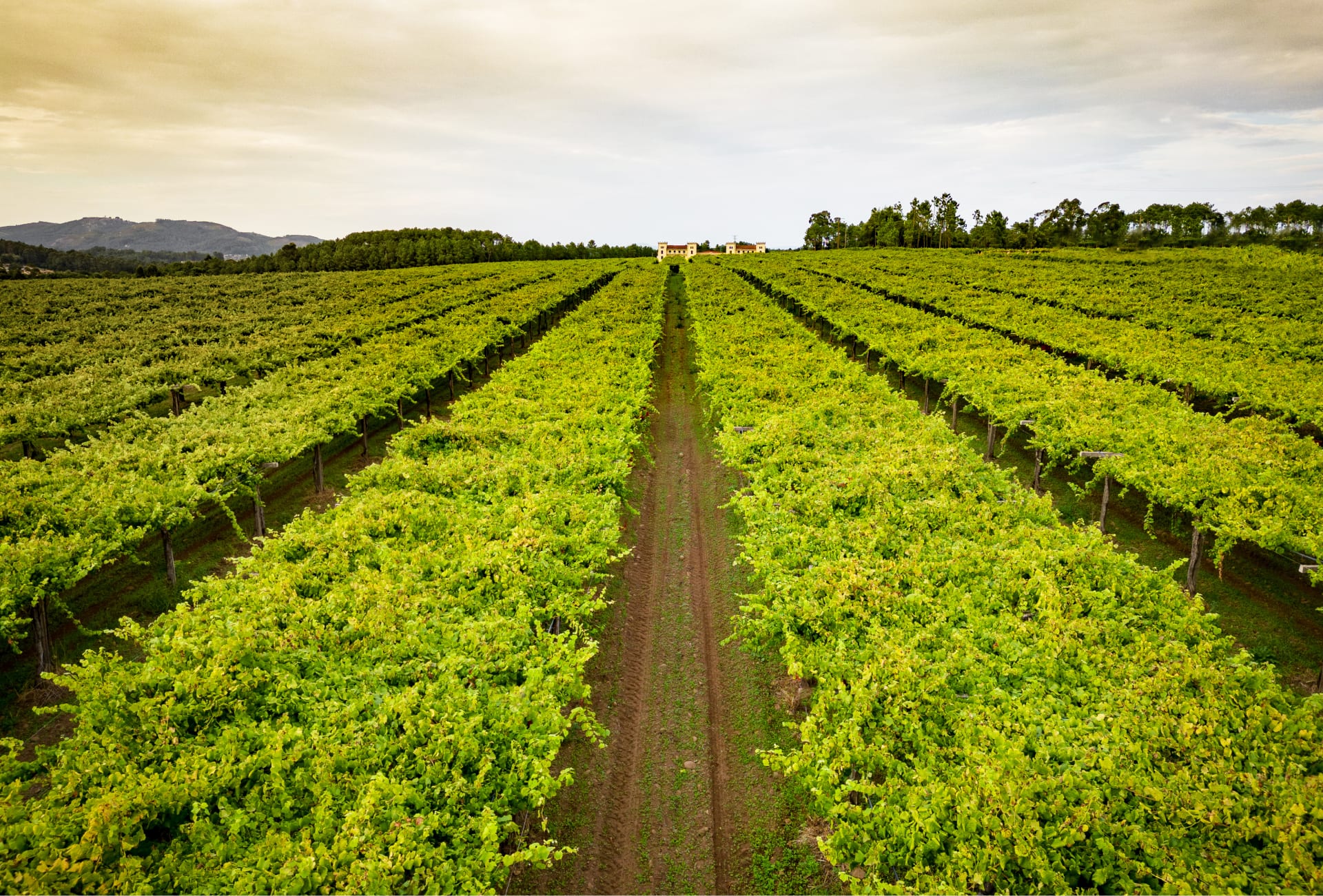




Bright and aromatic with distinctive floral and fruity characteristics, Albariño has enjoyed a surge in popularity and an increase in plantings over the last couple of decades. Thick skins allow it to withstand the humid conditions of its homeland, Rías Baixas, Spain, free of malady, and produce a weighty but fresh white. Somm Secret—Albariño claims dual citizenship in Spain and Portugal. Under the name Alvarinho, it thrives in Portugal’s northwestern Vinho Verde region, which predictably, borders part of Spain’s Rías Baixas.

Named after the rías, or estuarine inlets, that flow as far as 20 miles inland, Rías Baixas is an Atlantic coastal region with a cool and wet maritime climate. The entire region claims soil based on granite bedrock, but the inlets create five subregions of slightly different growing environments for its prized white grape, Albariño.
Val do Salnés on the west coast is said to be the birthplace of Albariño; it is the coolest and wettest of all of the regions. Having been named as the original subregion, today it has the most area under vine and largest number of wineries.
Ribeira do Ulla in the north and inland along the Ulla River is the newest to be included. It is actually the birthplace of the Padrón pepper!
Soutomaior is the smallest region and is tucked up in the hills at the end of the inlet called Ria de Vigo. Its soils are light and sandy over granite.
O Rosal and Condado do Tea are the farthest south in Rías Baixas and their vineyards actually cover the northern slopes of the Miño River, facing the Vinho Verde region in Portugal on its southern bank.
Albariño gives this region its fame and covers 90% of the area under vine. Caiño blanco, Treixadura and Loureira as well as occasionally Torrontés and Godello are permitted in small amounts in blends with Albariño. Red grapes are not very popular but Mencía, Espadeiro and Caiño Tinto are permitted and grown.