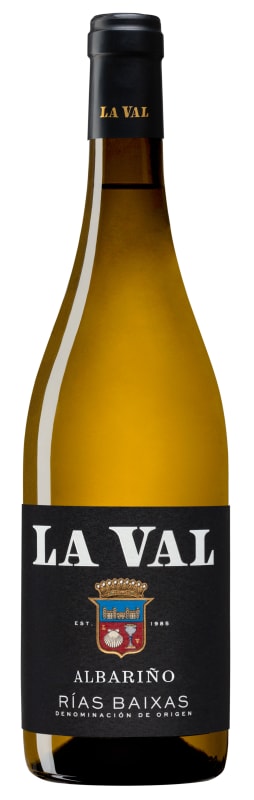


Winemaker Notes
This Albariño displays a pale straw-yellow hue with bright greenish reflections. The nose is pure, precise, and aromatic, showcasing a vibrant medley of stone fruits (apricot, apple), tropical nuances (pineapple), and fresh herbal notes (bay leaf, fennel), layered with delicate citrus undertones (grapefruit) and a refined saline touch. On the palate, it is elegantly structured, well-balanced, and energetic, revealing a lively interplay of fruit, citrus, and Atlantic herbs. The long, crisp finish is marked by a distinct saline minerality and a subtle bitter edge, adding depth and character.
Professional Ratings
-
James Suckling
Grapefruit, saline, very citrus-driven with a stony austerity. It combines expressive fruit with saline acidity balanced by a touch of texture. From estate-owned vineyards in Condado de Tea. Fermented and aged in tank. A straightforward albariño with a touch of generosity. Drink or hold.
-
Wine Spectator
A burst of juicy nectarine is laced with flattering hints of lime pith, chalk, verbena, fresh tarragon and pickled ginger in this vivid white, underscored by a racy streak of salinity.
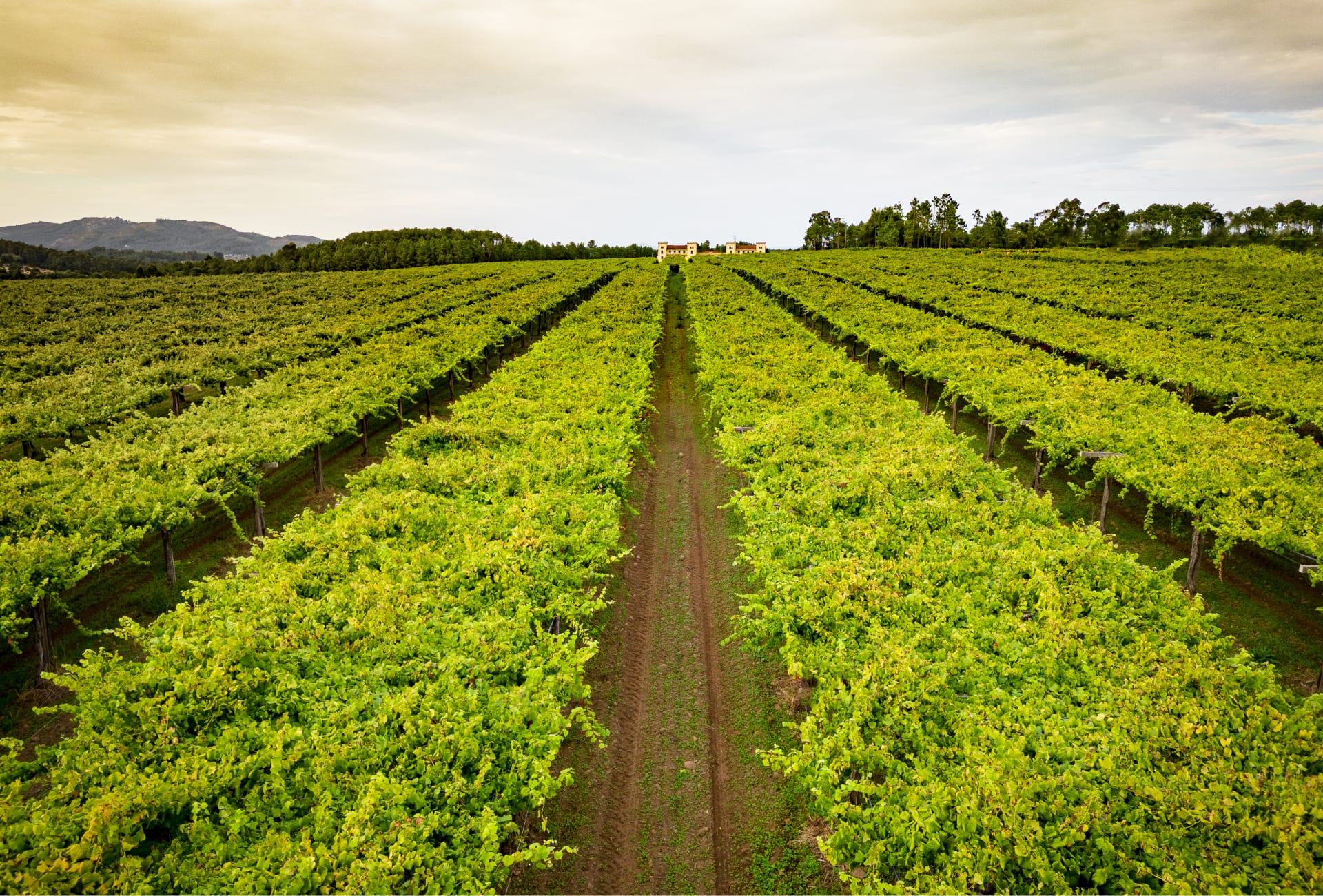



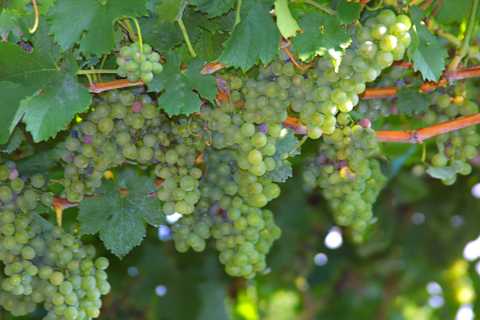
Bright and aromatic with distinctive floral and fruity characteristics, Albariño has enjoyed a surge in popularity and an increase in plantings over the last couple of decades. Thick skins allow it to withstand the humid conditions of its homeland, Rías Baixas, Spain, free of malady, and produce a weighty but fresh white. Somm Secret—Albariño claims dual citizenship in Spain and Portugal. Under the name Alvarinho, it thrives in Portugal’s northwestern Vinho Verde region, which predictably, borders part of Spain’s Rías Baixas.

Named after the rías, or estuarine inlets, that flow as far as 20 miles inland, Rías Baixas is an Atlantic coastal region with a cool and wet maritime climate. The entire region claims soil based on granite bedrock, but the inlets create five subregions of slightly different growing environments for its prized white grape, Albariño.
Val do Salnés on the west coast is said to be the birthplace of Albariño; it is the coolest and wettest of all of the regions. Having been named as the original subregion, today it has the most area under vine and largest number of wineries.
Ribeira do Ulla in the north and inland along the Ulla River is the newest to be included. It is actually the birthplace of the Padrón pepper!
Soutomaior is the smallest region and is tucked up in the hills at the end of the inlet called Ria de Vigo. Its soils are light and sandy over granite.
O Rosal and Condado do Tea are the farthest south in Rías Baixas and their vineyards actually cover the northern slopes of the Miño River, facing the Vinho Verde region in Portugal on its southern bank.
Albariño gives this region its fame and covers 90% of the area under vine. Caiño blanco, Treixadura and Loureira as well as occasionally Torrontés and Godello are permitted in small amounts in blends with Albariño. Red grapes are not very popular but Mencía, Espadeiro and Caiño Tinto are permitted and grown.