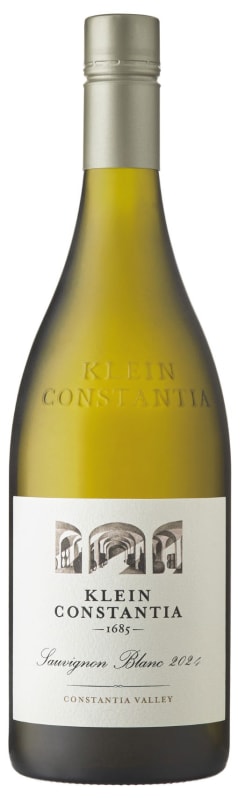


Winemaker Notes
Light and bright in appearance. Fresh aromas of grapefruit, limes and kiwi burst on the nose. The palate is moreish with balanced flavors of quince, citrus blossom, umami and a bittersweet aspect. Salivating with fresh salinity, lively and a vibrant acidity. Textured and expressive, the wine concludes with a long crisp finish.
Professional Ratings
-
James Suckling
Lime peel, grapefruit, wet stones and lemongrass on the nose of this cool mineral white. It’s medium- to full-bodied with excellent focus. Sustainable.
-
Robert Parker's Wine Advocate
The Klein Constantia 2024 Constantia Sauvignon Blanc is extremely linear and sharply etched, built from 42 vineyard blocks spanning decomposed granite and reddish Table Mountain sandstone. Harvest stretches across a six-week window from February into March on east-facing slopes around 200 meters elevation. The wine delivers focused mineral intensity with added mid-palate texture, supported by 5% oak to avoid overwhelming the more phenolic granite parcels. The diverse geology and maritime winds of the Western Cape give the wine its hallmark tension and layered freshness. There was internal debate at the winery about whether to transition the wine from screw cap to cork.
-
Vinous
The 2024 Sauvignon Blanc is the current release and comes from 42 vineyard blocks, undergoing 100% natural fermentation using CO2 to protect it. It has a perfumed bouquet with grapefruit, yellow plum and hints of mango—atypical for a Sauvignon Blanc. The palate is well balanced with a crisp entry, light walnut and flinty elements coming through with aeration. Real texture to this Savvy, which is unusual for the variety, fanning out nicely on the finish.
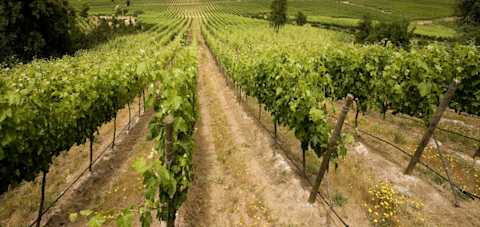
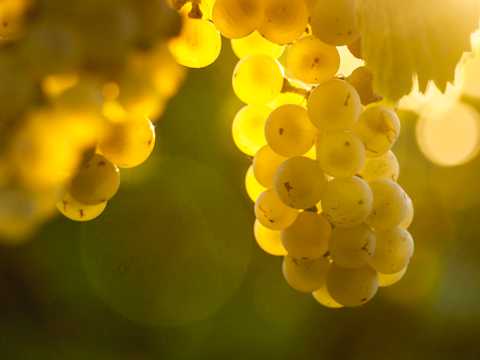
Capable of a vast array of styles, Sauvignon Blanc is a crisp, refreshing variety that equally reflects both terroir and varietal character. Though it can vary depending on where it is grown, a couple of commonalities always exist—namely, zesty acidity and intense aromatics. This variety is of French provenance. Somm Secret—Along with Cabernet Franc, Sauvignon Blanc is a proud parent of Cabernet Sauvignon. That green bell pepper aroma that all three varieties share is no coincidence—it comes from a high concentration of pyrazines (herbaceous aromatic compounds) inherent to each member of the family.
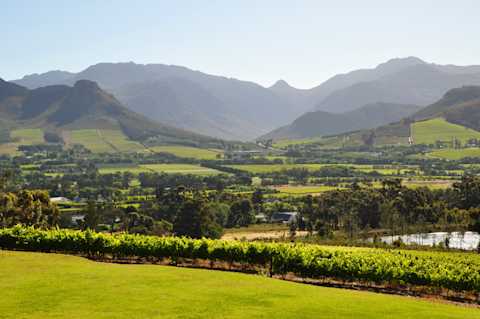
One of the most famous and celebrated wine regions imported throughout Europe during the 18th century, Constantia was founded in 1685 by a Dutch governor named Simon van der Stel who ran a successful wine farm for many years.
Constantia vineyards, planted in ancient soil beds, climb up the east-facing slopes of the Constantiaberg, where the vines receive cool sea breezes blowing in from False Bay.