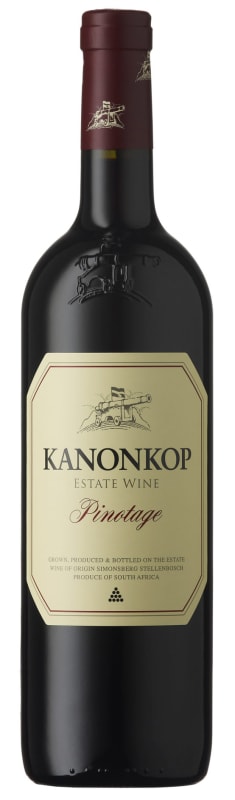


Winemaker Notes
An opaque purple-red colour introduces expressive aromas of bold plums, blackberries and mulberries, layered with rich vanilla, smoky notes and roasted nuts. The palate is generously packed with plums, cherries, black figs and pomegranate, complemented by dark chocolate, blackberries and spicy oak. Plush, creamy tannins are beautifully integrated with a lively acidity, resulting in a wonderfully balanced wine. The finish is long and a promise of great ageing potential.
Professional Ratings
-
James Suckling
Raspberry, mocha and smoky notes, with juicy fruit and a supple, medium-bodied structure. Good freshness keeps it lively although the slightly drying tannins lend a firmer edge to the finish.
-
Vinous
The 2023 Pinotage comes from Simonsberg, is punched down by hand and matured in 80% new French oak, 20% second fill. It is initially tightly wound on the nose, then opens with quite a pure mélange of red and black fruit, iodine and blueberry in the background. The palate is medium-bodied with supple tannins, a caressing mouthfeel and just a touch of white pepper underneath those disarming blue fruits. Very harmonious in style, you will not find a better Pinotage for this price.
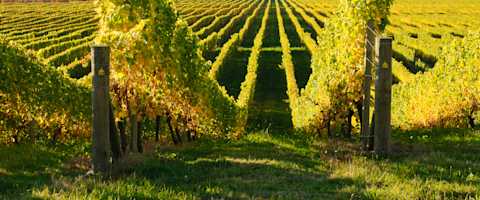
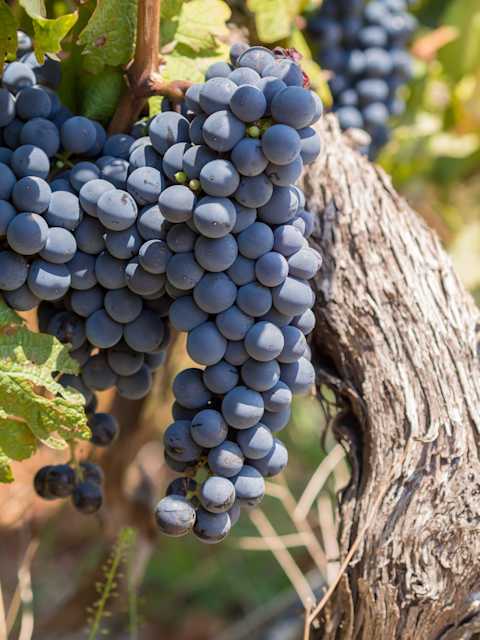
South Africa’s signature grape, Pinotage is a distinctively earthy and rustic variety. In 1924 viticulturists crossed finicky Pinot Noir and productive, heat-tolerant Cinsault, and created a variety both darker and bolder than either of its parents! Today it is popular in South Africa both as a single varietal wine and in Cape blends. Somm Secret—The name “Pinotage” is a subtle portmanteau. The Pinot part is obvious, but the second half is a bit confusing. In the early 1900s, Cinsault was known in South Africa as “Hermitage”—hence Pinotage.
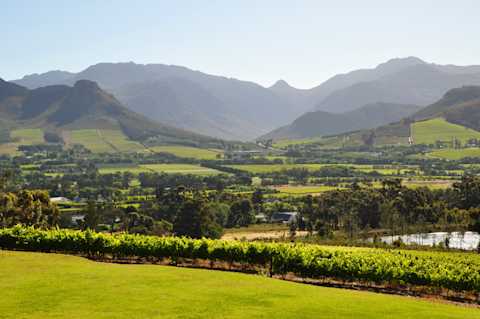
South Africa’s most famous wine-producing district, Stellenbosch, surrounds the historic town with the same name; fine winemaking here dates back to the late 1600s. Its valleys of granite, sandstone and alluvial loam soils between the towering blue-grey mountains of Stellenbosch, Simonsberg and Helderberg have the capacity to produce beautiful wines from many varieties. The climate is warm Mediterranean, tempered by the cool Atlantic air of nearby False Bay.
Perhaps most well-known for its Pinotage and Bordeaux blends, Stellenbosch also produces noteworthy wines from Syrah, Chenin blanc, Chardonnay and Sauvignon blanc. The district’s wards—Banghoek, Bottelary, Devon Valley, Jonkershoek Valley, Papegaaiberg, Polkadraai Hills and Simonsberg-Stellenbosch—all produce distinctive wines from vines with relatively low yields.