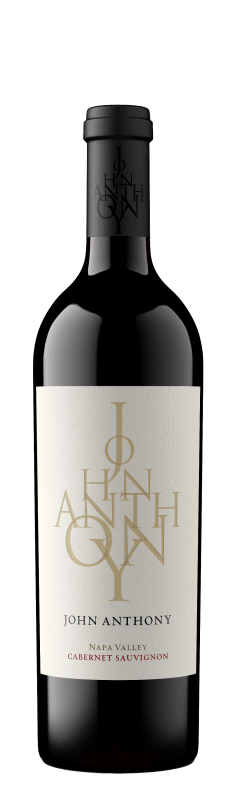


Winemaker Notes
A quintessential Napa Valley Cabernet Sauvignon, artfully blended from our premier estates across the Valley. In the glass, notice bright ruby-purple hues with enticing aromas of red currant, bay leaf, and blood orange and hints of clove and dark pitted fruits. On the palate, vibrant red berry fruit flavors are joined by ripe black plum notes with accents of savory fresh herbs, winter spices, and river stone adding complexity.
Professional Ratings
-
Decanter
This blend of 96% Cabernet Sauvignon, 3% Petit Verdot, and 1% Syrah was aged Aged 22 months in 44% new French oak. Wonderfully aromatic kirsch and black cherry compte intermix with dried herbs and heady, toasty oak with espresso and caramel-scented nuances. Those sweet red berry fruit notes continue on the palate, uninterrupted as silky tannins help build on the easy-drinking quality of this Cabernet.
-
James Suckling
Ripe blackcurrants, plum skin, dark licorice, vanilla and wet earth. Full-bodied, succulent and deep, with a powdery texture to its tannins and juicy acidity. Rich and flavorful. Drink after 2026.
-
Wine Enthusiast
Generous, upright, and bold, this Cabernet Sauvignon from John Anthony celebrates opulence and rich flavor. Concentrated dark fruits, tobacco and cocoa are carried by palate coating tannins into a full bodied finish.
-
Jeb Dunnuck
Beautiful cassis, graphite, asphalt, leather, and chocolate spice notes emerge from the 2021 Cabernet Sauvignon, which spent 20 months in 66% new French oak. Medium to full-bodied on the palate, it reveals a concentrated mid-palate, solid tannins, and focused balance reflecting the vintage character. Drink over the next 10-12 years.

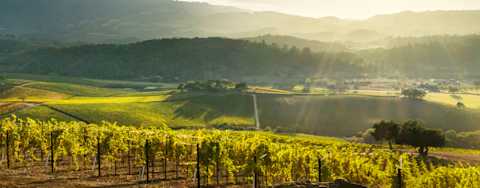
One of the most prestigious wines of the world capable of great power and grace, Napa Valley Cabernet is a leading force in the world of fine, famous, collectible red wine. Today the Napa Valley and Cabernet Sauvignon are so intrinsically linked that it is difficult to discuss one without the other. But it wasn’t until the 1970s that this marriage came to light; sudden international recognition rained upon Napa with the victory of the Stag’s Leap Wine Cellars 1973 Cabernet Sauvignon in the 1976 Judgement of Paris.
Cabernet Sauvignon undoubtedly dominates Napa Valley today, covering half of the land under vine, commanding the highest prices per ton and earning the most critical acclaim. Cabernet Sauvignon’s structure, acidity, capacity to thrive in multiple environs and ability to express nuances of vintage make it perfect for Napa Valley where incredible soil and geographical diversity are found and the climate is perfect for grape growing. Within the Napa Valley lie many smaller sub-AVAs that express specific characteristics based on situation, slope and soil—as a perfect example, Rutherford’s famous dust or Stags Leap District's tart cherry flavors.