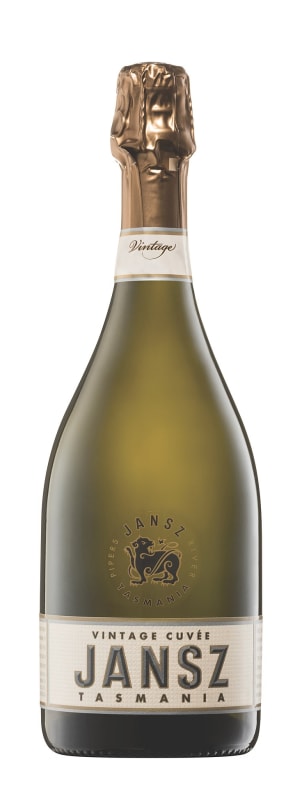


Winemaker Notes
The color is pale gold with a delicate bead and fine mousse. The aroma is intense and complex showing the beautiful synergy between Tasmanian Chardonnay and Pinot Noir. The aromas are of fresh citrus zest, almond nougat and freshly baked brioche, with underlying hints of hazelnut and sea spray. The palate is refined and elegant, with notes of preserved lemon, creme brulee, hazelnuts, turkish delight and fresh strawberries.
Try with a simple platter of natural oysters and wedges of fresh lemon.
Professional Ratings
-
James Suckling
Attractively floral with red berries, lightly spiced pastry, bread dough and lemons, as well as some lightly chalky notes. Really fresh and subtly complex. The palate has a fine texture with freshly sliced apples, a mere hint of honey, strawberries, some clotted cream and a smooth build to the finish.
-
Wine Spectator
Elegant and supple, with delicate notes of pear, pineapple and pomelo and vanilla pudding that are balanced and harmonious. A touch of green tea lingers on the finish. Drink now.


Representing the topmost expression of a Champagne house, a vintage Champagne is one made from the produce of a single, superior harvest year. Vintage Champagnes account for a mere 5% of total Champagne production and are produced about three times in a decade. Champagne is typically made as a blend of multiple years in order to preserve the house style; these will have non-vintage, or simply, NV on the label. The term, "vintage," as it applies to all wine, simply means a single harvest year.

Directly south of the city of Melbourne and the Mornington Peninsula wine region, the cool-climate island of Tasmania has earned an honorable reputation as the country’s finest producer of Sparkling Wine. Naturally the region also excels in top quality still wines from Pinot Noir, Chardonnay and Riesling, all distinguished because of a high natural acidity. Most of the Tasmania vineyards cluster around the eastern side of the island from north to south.