

Winemaker Notes
Food Pairing: Brut Roses are the most versatile of food wines. A favorite combination is with steak. It also goes with Mediterranean cuisine, including grilled tuna with tomato, olive oil and garlic. An excellent choice with duck or venison. Perfect for Easter ham. This is Mark Millers recommendation as the most versatile with Asian flavors. And the experts agree that it is the best of all possibilities with bar-be-que.



Iron Horse is best known for its Sparkling Wines, which have been served at the White House since 1985, beginning with the historic U.S.-Russian Summit Meetings ending the Cold War, at the White House Millennium celebrations ushering in the new century, and at the White House dinner honoring the Pope.
Their Chardonnay is considered a signature wine for the cool, foggy Green Valley region. Pinot Noir is the winery's rising star wine.
Iron Horse has been named an American icon in a reference book published by Random House called "Icons of the American Market Place". Listed in alphabetical order, Iron Horse takes its place between iPod and Jack Daniel’s, validating Iron Horse’s reputation as a brand backed by pride, passion and quality.
The Iron Horse name came from a train that cut across the property in the 1890s. The logo, the rampant horse on a weather vane, came from a 19th century weathervane found while clearing away the rubble to build the winery.

What are the different types of sparkling rosé wine?
Rosé sparkling wines like Champagne, Prosecco, Cava, and others make a fun and festive alternative to regular bubbles—but don’t snub these as not as important as their clear counterparts. Rosé Champagnes (i.e., those coming from the Champagne region of France) are made in the same basic way as regular Champagne, from the same grapes and the same region. Most other regions where sparkling wine is produced, and where red grape varieties also grow, also make a rosé version.
How is sparkling rosé wine made?
There are two main methods to make rosé sparkling wine. Typically, either white wine is blended with red wine to make a rosé base wine, or only red grapes are used but spend a short period of time on their skins (maceration) to make rosé colored juice before pressing and fermentation. In either case the base wine goes through a second fermentation (the one that makes the bubbles) through any of the various sparkling wine making methods.
What gives rosé Champagne and sparkling wine their color and bubbles?
The bubbles in sparkling wine are formed when the base wine undergoes a secondary fermentation, which traps carbon dioxide inside the bottle or fermentation vessel. During this stage, the yeast cells can absorb some of the wine’s color but for the most part, the pink hue remains.
How do you serve rosé sparkling wine?
Treat rosé sparkling wine as you would treat any Champagne, Prosecco, Cava, and other sparkling wine of comparable quality. For storing in any long-term sense, these should be kept at cellar temperature, about 55F. For serving, cool to about 40F to 50F. As for drinking, the best glasses have a stem and a flute or tulip shape to allow the bead (bubbles) and beautiful rosé hue to show.
How long do rosé Champagne and sparkling wine last?
Most rosé versions of Prosecco, Champagne, Cava or others around the “$20 and under” price point are intended for early consumption. Those made using the traditional method with extended cellar time before release (e.g., Champagne or Crémant) can typically improve with age. If you are unsure, definitely consult our Customer Care team for guidance.
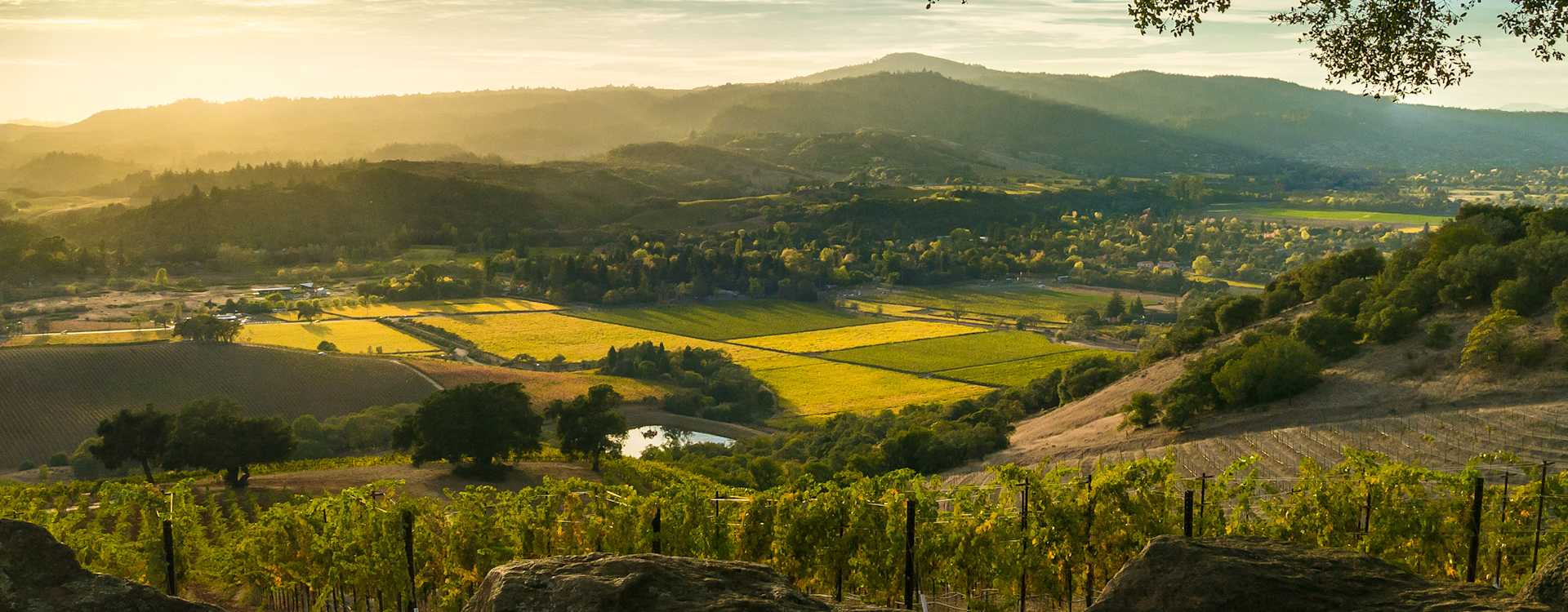
Home to a diverse array of smaller AVAs with varied microclimates and soil types, Sonoma County has something for every wine lover. Physically twice as large as Napa Valley, the region only produces about half the amount of wine but boasts both tremendous quality and variety. With its laid-back atmosphere and down-to-earth attitude, the wineries of Sonoma are appreciated by wine tourists for their friendliness and approachability. The entire county intends to become a 100% sustainable winegrowing region by 2019.
Sonoma County wines are produced with carefully selected grape varieties to reflect the best attributes of their sites—Dry Creek Valley’s consistent sunshine is ideal for Zinfandel, while the warm Alexander Valley is responsible for rich, voluptuous red wines like Cabernet Sauvignon. Chardonnay and Pinot Noir are important throughout the county, most notably in the cooler AVAs of Russian River, Sonoma Coast and Carneros. Sauvignon Blanc, Merlot and Syrah have also found a firm footing here.