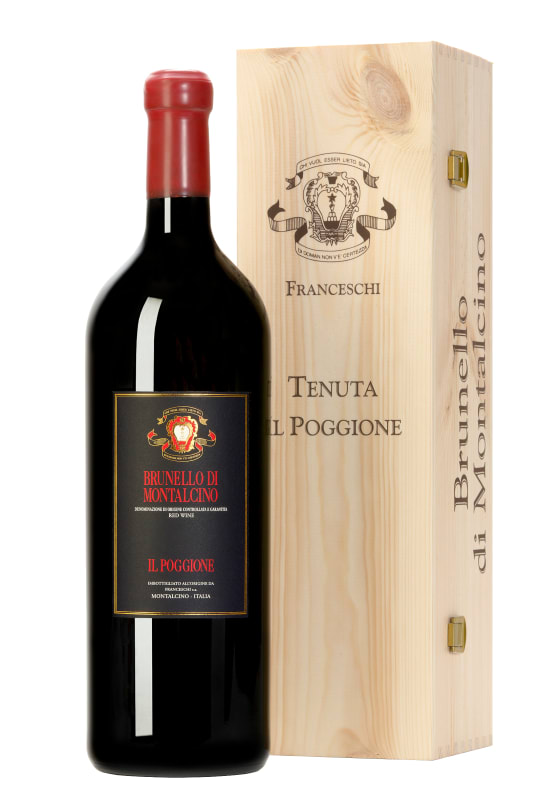


Winemaker Notes
#80 Vinous Top 100 of 2024
The 2019 Il Poggione Brunello di Montalcino is ruby red in color featuring luscious red fruit notes, elegantly complemented by hints of spice, tar and tobacco. Balanced, tannic structure with exceptional acidity, resulting in a lingering finish.
This wine pairs well with red meats, game, and mature cheeses.
Professional Ratings
-
Tasting Panel
A seductive perfume of roses washed in mulberry is mirrored on the first sip. Piquant notes of cinnamon-spiced pomegranate and exotic floral tones of jasmine and tea leaves surround blueberry ganache. This silky and graceful wine's alluring floral-and-berry character is memorable.
-
Vinous
The 2019 Brunello di Montalcino pulls the taster close to the glass with its dark and earthy blend of crushed ashen stones, giving way to rosemary, cedar, exotic spice and a core of raspberry preserves. Enveloping and serene, this flows across the palate like pure silk, steadily building in tension as tart wild berries and orange hints give way to a sweet herbal thrust. The 2019 finishes with tremendous length and is classically structured, as crunchy tannins resonate and violet inner florals slowly fade over a tactile coating of minerality. Il Poggione has captured the radiance of the vintage, yet this is just a baby today.
-
Decanter
The 2019 is a vintage of balance, somewhere between 2016, 2013 and 2010. Sant'Angelo in Colle, which suffers in warmer vintages, performed very well and Il Poggione is a great example of the harmony of the area's wines in this vintage. Fruity at first sniff, it becomes more restrained later, with black cherry, violet, leather, graphite vibrancy and its typical nutty finish. The chalky tannins are extracted but velvety, underlined by an almost zesty acidity.
-
Robert Parker's Wine Advocate
The Il Poggione 2019 Brunello di Montalcino shows an evolved bouquet with aromas of dried fruit, forest floor, crushed flower and autumnal leaf. On a second nose, you get dark licorice, wet slate, cola and grilled rosemary. The tannins are powdery and dry. I recommend a medium-term drinking window as a result. You do feel the powerful 15% alcohol content in this ample 200,000-bottle release.
-
Wine Spectator
Features ample plum, cherry, iron, tobacco and underbrush flavors buoyed by a plump texture to match the dense structure, plus vibrant acidity to keep it all focused. Another year of aging should allow the finish to stretch out and this wine to reach its full potential. Best from 2026 through 2042. Tasted twice, with consistent notes.
-
James Suckling
Lots of dried fruit, such as figs and dried cherries, followed by tree bark, rosemary and a hint of sandalwood. Full-bodied, creamy palate with a solid tannin texture. Wonderful length. Dense and opulent. Better after 2029.


One of the most highly regarded wineries in all of Tuscany, Tenuta Il Poggione makes incredibly powerful wines for collectors and everyday drinkers alike. Located in Sant' Angelo in Colle in the commune of Montalcino, Tenuta Il Poggione was established at the end of the 19th century by Lavinio Franceschi and is still owned today by the 5th generation of its founder, siblings Leopoldo and Livia Franceschi.
One of the original three producers of Brunello di Montalcino, Il Poggione and has helped to establish the standards of excellence for Montalcino. The estate covers a surface area of 1,500 acres, of which 350 acres are planted to vine, 175 acres with olive groves and the rest are sowable land and woodland used for grazing and raising cattle and pigs to promote biodiversity and a natural approach to farming. Many of the vines are grown at more than 1,315 feet above sea level and Il Poggione owns one of the oldest vineyards in Montalcino, Vigna Paganelli, planted in 1964. The estate is also blessed by its proximity to the Tyrrhenian Sea (about 30 minutes distance by car) to the west and the Orcia River Valley and Mt. Amiata in the south.
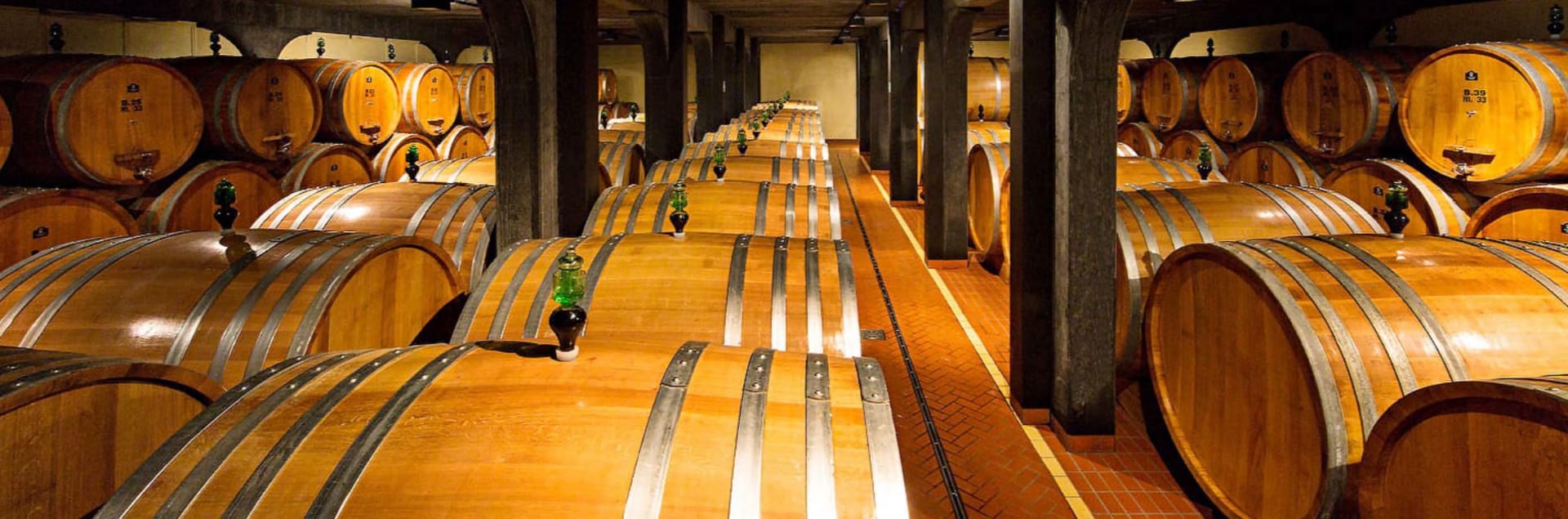
Led by father-son winemaking team, Fabrizio and Alessandro Bindocci, Il Poggione's guiding principle is to pay great care to the vines, because the secret to producing great red wines lies in the high-quality vineyard work. Harvest is conducted entirely by hand and the wine is made in the traditional method, though modern, state-of-the-art equipment is used. Total control of the vinification process is guaranteed, thanks to the new cellar built in 2004 and the introduction of extremely advanced technology, but as tradition is important, the company keeps the large Allier French oak barrels used for aging its wines five meters below ground. The winery is also committed to sustainable viticulture and 100% estate-grown, hand-selected fruit.

Among Italy's elite red grape varieties, Sangiovese has the perfect intersection of bright red fruit and savory earthiness and is responsible for the best red wines of Tuscany. While it is best known as the chief component of Chianti, it is also the main grape in Vino Nobile di Montepulciano and reaches the height of its power and intensity in the complex, long-lived Brunello di Montalcino. Somm Secret—Sangiovese doubles under the alias, Nielluccio, on the French island of Corsica where it produces distinctly floral and refreshing reds and rosés.

Famous for its bold, layered and long-lived red, Brunello di Montalcino, the town of Montalcino is about 70 miles south of Florence, and has a warmer and drier climate than that of its neighbor, Chianti. The Sangiovese grape is king here, as it is in Chianti, but Montalcino has its own clone called Brunello.
The Brunello vineyards of Montalcino blanket the rolling hills surrounding the village and fan out at various elevations, creating the potential for Brunello wines expressing different styles. From the valleys, where deeper deposits of clay are found, come wines typically bolder, more concentrated and rich in opulent black fruit. The hillside vineyards produce wines more concentrated in red fruits and floral aromas; these sites reach up to over 1,600 feet and have shallow soils of rocks and shale.
Brunello di Montalcino by law must be aged a minimum of four years, including two years in barrel before realease and once released, typically needs more time in bottle for its drinking potential to be fully reached. The good news is that Montalcino makes a “baby brother” version. The wines called Rosso di Montalcino are often made from younger vines, aged for about a year before release, offer extraordinary values and are ready to drink young.