


Winemaker Notes
Parellada at its best, from high-altitude, gravelly mountain soils: intense lemon-oil aroma with firm acid structure enhanced by the rare, glyceric Malvasía. Stony and aromatic. A young, dry white wine made from a careful selection of the grape varietals grown in Can Feixes, carefully nurtured to express the primary fruit and floral characters so typical of their grapes.
Pair with aperitifs, salads, seafood and shellfish, or light soft cheeses and poultry.
Blend: 41% Parellada, 29% Macabeo, 17% Xarel·lo, 8% Chardonnay, 5% Malvasia de Sitges
Professional Ratings
-
Robert Parker's Wine Advocate
The young and unoaked still white 2021 Blanc Selecció is a blend of Parellada, Macabeo, Chardonnay, Xarello and Malvasía de Sitges with 12% alcohol and a low pH, reflecting a cooler year with rain and snow and a dry summer with some rain that helped the ripening of the grapes. It has notes of white fruit and flowers. It showcases the house style of elegance, transparency and harmony—elegant and clean wines. It' a very good vintage for this wine that is not showy or exuberant, but I like its restraint.
Rating: 90+

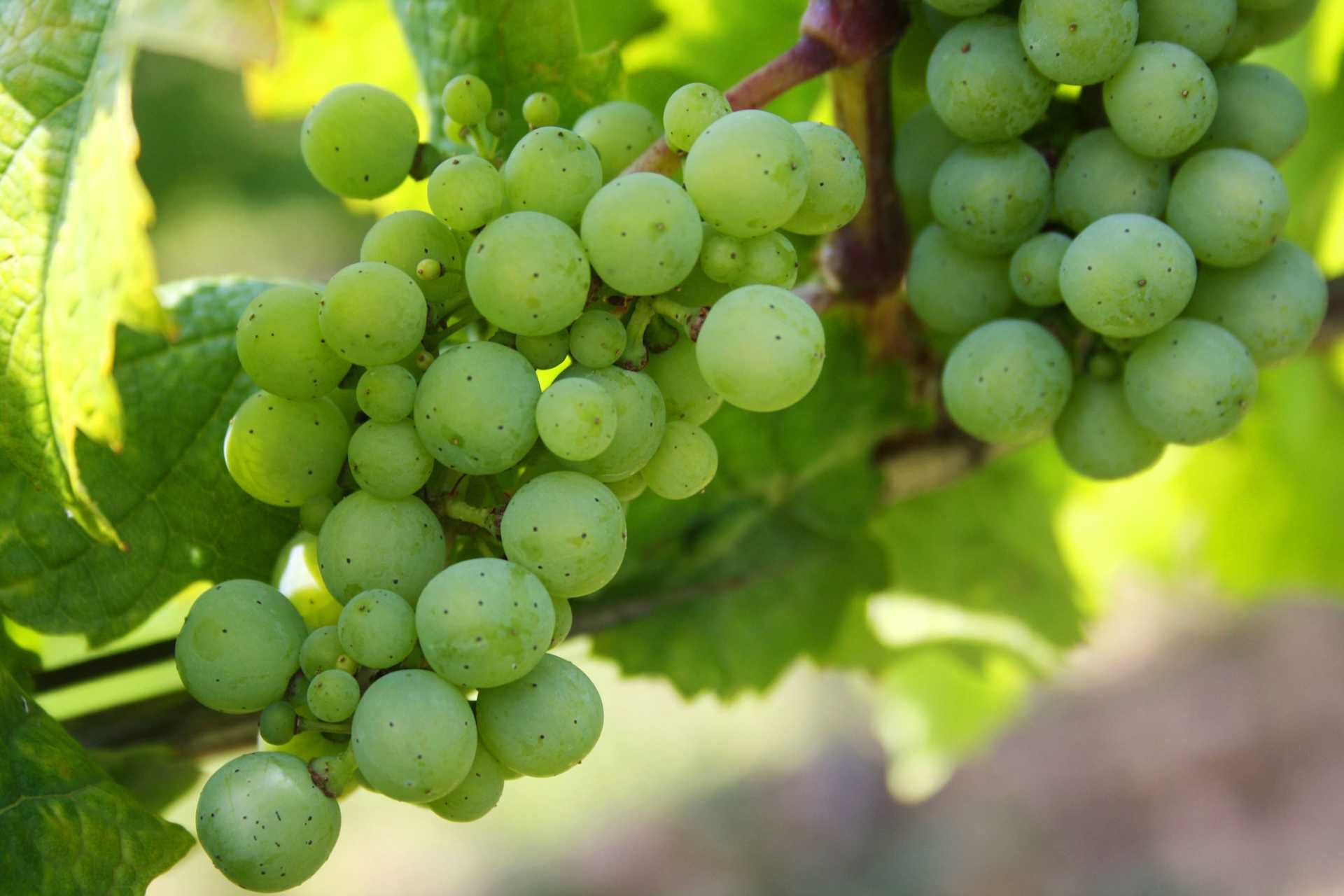
With hundreds of white grape varieties to choose from, winemakers have the freedom to create a virtually endless assortment of blended white wines. In many European regions, strict laws are in place determining the set of varieties that may be used in white wine blends, but in the New World, experimentation is permitted and encouraged. Blending can be utilized to enhance balance or create complexity, lending different layers of flavors and aromas. For example, a variety that creates a soft and full-bodied white wine blend, like Chardonnay, would do well combined with one that is more fragrant and naturally high in acidity. Sometimes small amounts of a particular variety are added to boost color or aromatics. Blending can take place before or after fermentation, with the latter, more popular option giving more control to the winemaker over the final qualities of the wine.

A superior source of white grapes for the production of Spain’s prized sparkling wine, Cava, the Penedes region is part of Catalunya and sits just south of Barcelona. Medio Penedès is the most productive source of the Cava grapes, Macabeo, Xarel-lo, and Parellada. Penedes also grows Garnacha and Tempranillo (here called Ull de Llebre in Catalan), for high quality reds and rosès.