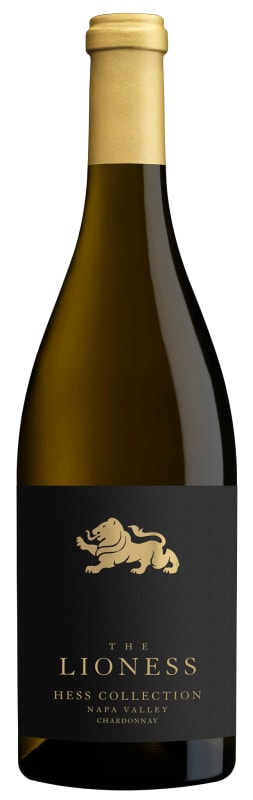


Winemaker Notes
Crafted from low-yielding, high-quality Dijon and Martini 04 Chardonnay clones, the 2023 Lioness delivers richness and elegance in equal measure. This expressive wine opens with aromas of ripe peach and delicate jasmine, layered with subtle notes of pot de crème. The palate is rich and inviting, featuring a luxurious entry and a broad, creamy mid-palate. A precise, focused acidity adds lift and freshness, balancing the wine’s lush texture. Stone fruit flavors carry through seamlessly, finishing with a delicate note of almond.
Professional Ratings
-
James Suckling
A ripe and full-bodied wine that's also on the nervy, chalky, energized side of the spectrum. Good acidity gives freshness and linearity, and brings out subtle mineral and flint notes to complement the tangy green apple and riper golden apple flavors. Light accents of nutmeg, vanilla bean and ginger add complexity. Drink now or hold.
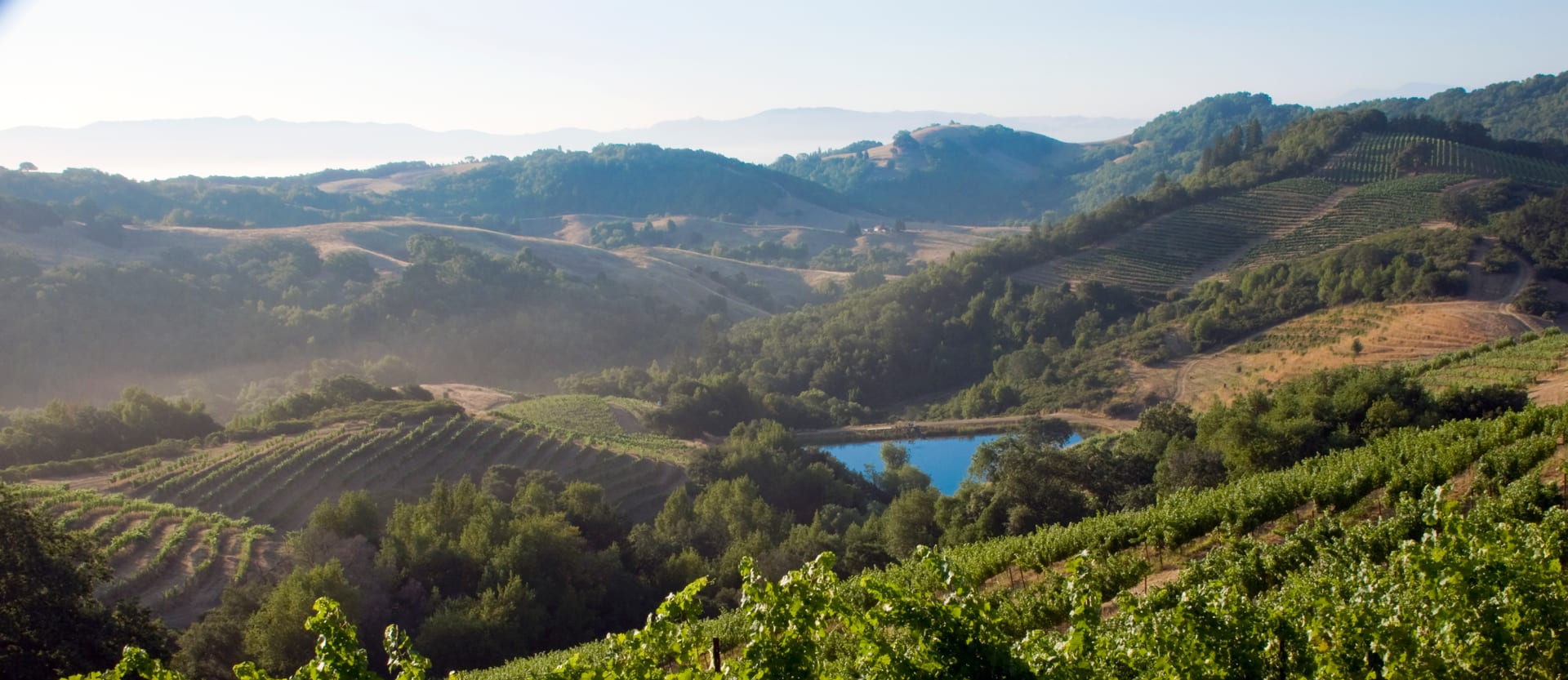




For over 40 years, The Hess Collection has been producing complex, elegant wines sourced from estate vineyards high on Mount Veeder and in the far reaches of the Napa Valley. It is from these rugged landscapes that The Hess Collection winemaking team crafts exceptional luxury wines.
A pioneer by nature, Donald Hess was determined to defy convention and pursue winemaking at elevation. In 1978, he established The Hess Collection Winery on the site of one of the region’s oldest wineries on Mount Veeder. Although few in Napa Valley were cultivating vines at elevation, Donald Hess believed the volcanic slopes of Mount Veeder provided the ideal combination of soils and microclimates to yield elegant wines with rich, complex flavors.
Today, the next generation of The Hess family continues Donald’s legacy at the winery's home on Mount Veeder.

One of the most popular and versatile white wine grapes, Chardonnay offers a wide range of flavors and styles depending on where it is grown and how it is made. While it tends to flourish in most environments, Chardonnay from its Burgundian homeland produces some of the most remarkable and longest lived examples. California produces both oaky, buttery styles and leaner, European-inspired wines. Somm Secret—The Burgundian subregion of Chablis, while typically using older oak barrels, produces a bright style similar to the unoaked style. Anyone who doesn't like oaky Chardonnay would likely enjoy Chablis.

One of the world's most highly regarded regions for wine production as well as tourism, the Napa Valley was responsible for bringing worldwide recognition to California winemaking. In the 1960s, a few key wine families settled the area and hedged their bets on the valley's world-class winemaking potential—and they were right.
The Napa wine industry really took off in the 1980s, when producers scooped up vineyard lands and planted vines throughout the county. A number of wineries emerged, and today Napa is home to hundreds of producers ranging from boutique to corporate. Cabernet Sauvignon is definitely the grape of choice here, with many winemakers also focusing on Bordeaux blends. White wines from Napa Valley are usually Chardonnay and Sauvignon Blanc.
Within the Napa Valley lie many smaller sub-AVAs that claim specific wine characteristics based on situation, slope and soil. Farthest south and coolest from the influence of the San Pablo Bay is Carneros, followed by Coombsville to its northeast and then Yountville, Oakville and Rutherford. Above those are the warm St. Helena and the valley's newest and hottest AVA, Calistoga. These areas follow the valley floor and are known generally for creating rich, dense, complex and smooth red wines with good aging potential. The mountain sub appellations, nestled on the slopes overlooking the valley AVAs, include Stags Leap District, Atlas Peak, Chiles Valley (farther east), Howell Mountain, Mt. Veeder, Spring Mountain District and Diamond Mountain District. Napa Valley wines from the mountain regions are often more structured and firm, benefiting from a lot of time in the bottle to evolve and soften.