


Winemaker Notes
The Langhe Nebbiolo is an unadorned, authentic expression of Nebbiolo: aromas of rose and cherry, with a hint of raspberry. This wine has classic cherry and floral aromas with earthy notes, lively tannins, and bright acidity that lead to a lingering, elegant finish.
With its delicate fruitiness and well-structured tannins, this wine pairs wonderfully with dishes like roasted lamb or aged cheeses.
Professional Ratings
-
Jeb Dunnuck
Pouring a reflective ruby hue, the 2022 Langhe Nebbiolo is generous on the nose with pure notes of ripe cherries, bright spices, orange peel, and fresh mint. The palate retains snappy acidity and a savory citrus-noted feel, with spices lingering on its chalky textured finish.
-
Wine Spectator
This supple, expressive red features cherry, strawberry and rose hip flavors. Crisp acidity and chalky tannins ride the lasting finish. Drink now. 8,333 cases made, 400 cases imported.


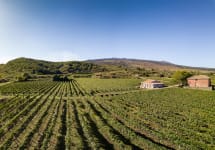
We are a small, family-owned producer in the heart of the Barolo commune of Serralunga d'Alba. We make only red wines, and our passion is for Barolo and its great grape, Nebbiolo.
Since the 1890's the Rosso family has farmed vineyards in Serralunga d'Alba, notably the Crus of Cerretta, La Serra, Broglio, Meriame, Sorano, Costa Bella, Lirano & Damiano. During the early 1980's Giovanni Rosso restructured the vineyards with the aim of growing the best fruit.
Giovanni's son, Davide, studied Oenology and gained invaluable experience in France. In 2001 Davide, then 27 years old, took charge of the vinification & affinamento/elevage of the wines with one goal in mind: "Wine should be a perfect copy of its terroir"... in this case from the slopes of Serralunga d'Alba, among the finest soils in the world.
The Giovanni Rosso cantina (winery) is located in the hamlet of Baudana, just a couple of kilometres north of Serralunga d'Alba village. A traditional family cascina, or farmhouse, it houses the fermentation, ageing, bottling and labeling facilities as well as the offices.

Responsible for some of the most elegant and age-worthy wines in the world, Nebbiolo, named for the ubiquitous autumnal fog (called nebbia in Italian), is the star variety of northern Italy’s Piedmont region. Grown throughout the area, as well as in the neighboring Valle d’Aosta and Valtellina, it reaches its highest potential in the Piedmontese villages of Barolo, Barbaresco and Roero. Outside of Italy, growers are still very much in the experimentation stage but some success has been achieved in parts of California. Somm Secret—If you’re new to Nebbiolo, start with a charming, wallet-friendly, early-drinking Langhe Nebbiolo or Nebbiolo d'Alba.

Set upon a backdrop of the visually stunning Alps, the enchanting and rolling hills of Piedmont are the source of some of the country’s longest-lived and most sought-after red wines. Vineyards cover a great majority of the land area—especially in Barolo—with the most prized sites at the top hilltops or on south-facing slopes where sunlight exposure is maximized. Piedmont has a continental climate with hot, humid summers leading to cold winters and precipitation year-round. The reliable autumnal fog provides a cooling effect, especially beneficial for Nebbiolo, Piedmont’s most prestigious variety.
In fact, Nebbiolo is named exactly for the arrival of this pre-harvest fog (called “nebbia” in Italian), which prolongs cluster hang time and allows full phenolic balance and ripeness. Harvest of Nebbiolo is last among Piedmont's wine varieties, occurring sometime in October. This grape is responsible for the exalted Piedmont wines of Barbaresco and Barolo, known for their ageability, firm tannins and hallmark aromas of tar and roses. Nebbiolo wines, despite their pale hue, pack a pleasing punch of flavor and structure; the best examples can require about a decade’s wait before they become approachable. Barbaresco tends to be more elegant in style while Barolo is more powerful. Across the Tanaro River, the Roero region, and farther north, the regions of Gattinara and Ghemme, also produce excellent quality Nebbiolo.
Easy-going Barbera is the most planted grape in Piedmont, beloved for its trademark high acidity, low tannin and juicy red fruit. Dolcetto, Piedmont’s other important red grape, is usually ready within a couple of years of release.
White wines, while less ubiquitous here, should not be missed. Key Piedmont wine varieties include Arneis, Cortese, Timorasso, Erbaluce and the sweet, charming Muscat, responsible for the brilliantly recognizable, Moscato d'Asti.