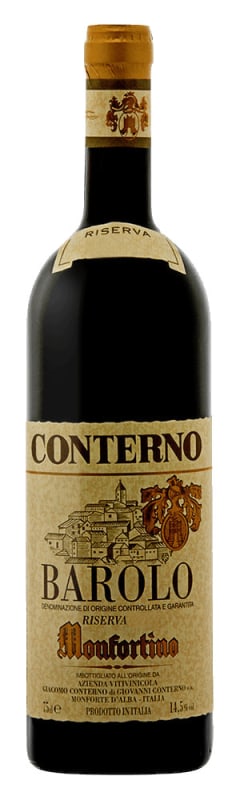


Winemaker Notes
Professional Ratings
-
James Suckling
Restrained, fresh and sleek, showing watermelon, mints, potpourri and deep embers with vibrant strawberries and blood oranges. Incredibly elegant on the palate, with smooth, graceful tannins despite the full body, density and tense acidity. Dried-flower flavors are persistent and savory. Harmonious. October 2026 release. Drink then or hold.
-
Jeb Dunnuck
Scheduled for release in October, the 2020 Barolo Riserva Monfortino pours a jeweled ruby color and reflects a more fruit-driven expression compared with the more classically structured 2019. The nose reveals notes of raspberries, crushed stones, blood orange, and delicate flowers. Medium to full-bodied, it carries the depth and structure expected from this wine while showing a bit more openness and accessibility in its youth. The tannins are refined and persistent, with balanced acidity and remarkable length through the finish. The 2020 and 2019 are very different expressions that complement each other well, with the 2020 offering a more approachable profile while still built to age. Drink 2028-2048.
-
Vinous
The 2020 Barolo Riserva Monfortino is a hedonistic turn-on. Silky and pliant, with captivating purity, the 2020 is a total delight. Bright acids drive through a core of vibrant red-toned fruit. Sage, lavender, rose petal and chalk are some of the notes that develop over time. The 2020 has the gorgeous inner perfume and sweetness that is such a signature of warmer years, a quality that can make young Monfortino so seductive right out of the gate. Polished, silky tannins frame the long, resonant finish. Barolo at its sexiest.
-
Robert Parker's Wine Advocate
The Giacomo Conterno 2020 Barolo Riserva Monfortino, tasted in bottle ahead of its October release, is quite beautiful in its softness, generosity and sheer Nebbiolo delicacy. Compared to the more structured 2019, the 2020 feels fuller, silkier and more immediately embracing, with the sensation of biting into ripe fruit. The tannins are nearly invisible, supple and seamless, giving the wine a plump, graceful mouthfeel without sacrificing depth or pedigree. Roberto Conterno captured the vintage perfectly when he said, "Between 2019, 2020 and 2021, the 2020 will be the first one we drink."
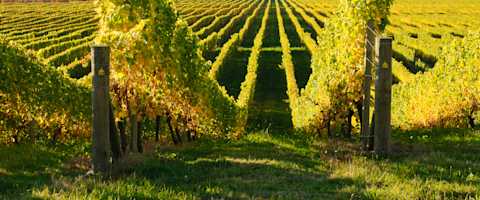
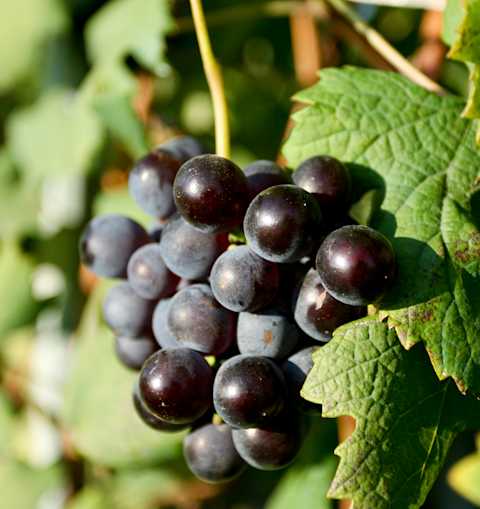
Responsible for some of the most elegant and age-worthy wines in the world, Nebbiolo, named for the ubiquitous autumnal fog (called nebbia in Italian), is the star variety of northern Italy’s Piedmont region. Grown throughout the area, as well as in the neighboring Valle d’Aosta and Valtellina, it reaches its highest potential in the Piedmontese villages of Barolo, Barbaresco and Roero. Outside of Italy, growers are still very much in the experimentation stage but some success has been achieved in parts of California. Somm Secret—If you’re new to Nebbiolo, start with a charming, wallet-friendly, early-drinking Langhe Nebbiolo or Nebbiolo d'Alba.

The center of the production of the world’s most exclusive and age-worthy red wines made from Nebbiolo, the Barolo wine region includes five core townships: La Morra, Monforte d’Alba, Serralunga d’Alba, Castiglione Falletto and the Barolo village itself, as well as a few outlying villages. The landscape of Barolo, characterized by prominent and castle-topped hills, is full of history and romance centered on the Nebbiolo grape. Its wines, with the signature “tar and roses” aromas, have a deceptively light garnet color but full presence on the palate and plenty of tannins and acidity. In a well-made Barolo wine, one can expect to find complexity and good evolution with notes of, for example, strawberry, cherry, plum, leather, truffle, anise, fresh and dried herbs, tobacco and violets.
There are two predominant soil types here, which distinguish Barolo from the lesser surrounding areas. Compact and fertile Tortonian sandy marls define the vineyards farthest west and at higher elevations. Typically the Barolo wines coming from this side, from La Morra and Barolo, can be approachable relatively early on in their evolution and represent the “feminine” side of Barolo, often closer in style to Barbaresco with elegant perfume and fresh fruit.
On the eastern side of the Barolo wine region, Helvetian soils of compressed sandstone and chalks are less fertile, producing wines with intense body, power and structured tannins. This more “masculine” style comes from Monforte d’Alba and Serralunga d’Alba. The township of Castiglione Falletto covers a spine with both soil types.
The best Barolo wines need 10-15 years before they are ready to drink, and can further age for several decades.