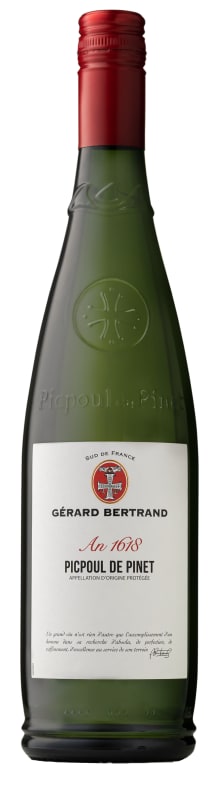


Winemaker Notes
This wine, crafted 100% from the Picpoul grape variety, comes in a yellow color with shimmering flashes. The intense, complex nose reveals notes of white fruit, citrus fruit, honey and white flowers. Full-bodied and lively on the palate, it offers a remarkable crisp freshness.
This wine is ideally suited to accompany shellfish (Charentes mussel soup, stuffed clams) and crustaceans, but also goes well with fish, such as pan-fried eels or hogfish.
Professional Ratings
-
Wine Enthusiast
Citrus peel, green plum and melon rind form the nose of this refreshing white. The palate is overall light in feel, but there's a subtle weight to the green fruit flavors that lends a nice texture to the palate. Pleasantly bitter green-fruit and sea spray flavors grace the close.


Picpoul remains one of the few wines in France named for the grape more than the place; Picpoul de Pinet refers to the white wines made exclusively from the grape called Piquepoul Blanc in the Languedoc communes of Pinet, Mèze, Florensac, Castelnau-de-Guers, Montagnac and Pomérols. Confusingly, the spelling, Piquepoul, can be used for the variety in all other appellations except for those named above. The grape is ubiquitous throughout the Languedoc. Somm Secret—Pomérols is a commune in the Languedoc-Rousillon region in the south of France and has nothing to do with the Bordeaux village of virtually the same name, Pomerol.

Sipping a glass of crisp white wine in the Mediterranean heat is an instinctive reflex, one which the inhabitants of Languedoc have met with the Picpoul grape since Roman times. The grape, widely planted until the late 19th century, became bound to the sandy soils around the Étang de Thau coastal lagoon during the phylloxera epidemic, where the root-sucking American louse cannot thrive. Picpoul de Pinet is one of the few AOCs in the Languedoc where only one grape is allowed, but the refreshing, mouthwatering quality of the wines makes clear why.
Late to ripen and high in acid, Picpoul (whose name means “lip-stinger”) does well in the coastal heat where aridity reduces the threat of downy mildew and the sea-scented breeze imbues the wine with seafood-friendly salinity. Made to be drunk young, with a fresh floral, citrus and herbal character, it will go down equally well by itself or in the company of brandade, octopus, or ceviche!