


Winemaker Notes
This wine shows a refined and elegant profile with smoky aromas, red berries—especially currants—aromatic herbs, and subtle camphor notes. More concentrated and powerful than previous vintages, it maintains perfect balance. The palate is intense yet smooth, offering a mellow structure, good length, and a finish that combines salinity with delicate vegetal notes.
Blend: 80% Cabernet Sauvignon, 20% Cabernet Franc
Professional Ratings
-
Decanter
With its dark fruit, Mediterranean scrub aromatics and lifted floral touches, this is an enticing 2022 which gets even better after a sip or two. Vertical in shape, and slightly creamy and chocolatey, it drips with cool black berries and dark cherries, punctured by flecks of petrichor, iron and blood orange. Great balance, freshness and poise. Superb.
-
Jeb Dunnuck
A deeper, more saturated red/purple hue, the 2022 Camarcanda is initially more reserved on the nose but opens in the glass to show ripe plum, fresh sage, and lavender. Full-bodied, it has a polished, more luxurious texture, with velvety tannins and a sense of richness balanced by freshness. There is a subtle sweetness to the herbal notes that adds to its appeal. In the context of our blind tasting, this offered a clear Mediterranean sensibility and identity for the vintage that offers more immediacy. Drink 2026-2040.
-
James Suckling
A smoky wine with graphite, licorice, restrained cassis and leather on the nose. Full-bodied and firm in tannins, with a velvety texture, supple fruit, chewy acidity and an integrated, structured finish.
-
Wine Spectator
This red is lithe and supple, boasting cherry, blackberry, black currant, violet and mineral flavors. Tense, with a dense matrix of refined tannins ushering in the long aftertaste. Cabernet Sauvignon and Cabernet Franc. Best from 2027 through 2042.
-
Robert Parker's Wine Advocate
A blend of 80% Cabernet Sauvignon and 20% Cabernet Franc, the 2022 Bolgheri Rosso Camarcanda shows a very ripe character with dark fruit and stewed blackberry. This was a hot and dry vintage with above average temperatures well into August. Rains came in mid-August, with showers until mid-September. That velvety softness gives this wine a shorter drinking window compared to more balanced vintages such as 2019 and 2021.
-
Vinous
An attractive, open-knit wine from the Gaja family’s Camarcanda estate. Juicy dark cherry, plum, spice, new leather, licorice and incense all meld together in this understated offering. The 2022 is nicely balanced in the smaller-scaled style of the year. It’s a very pleasant wine.
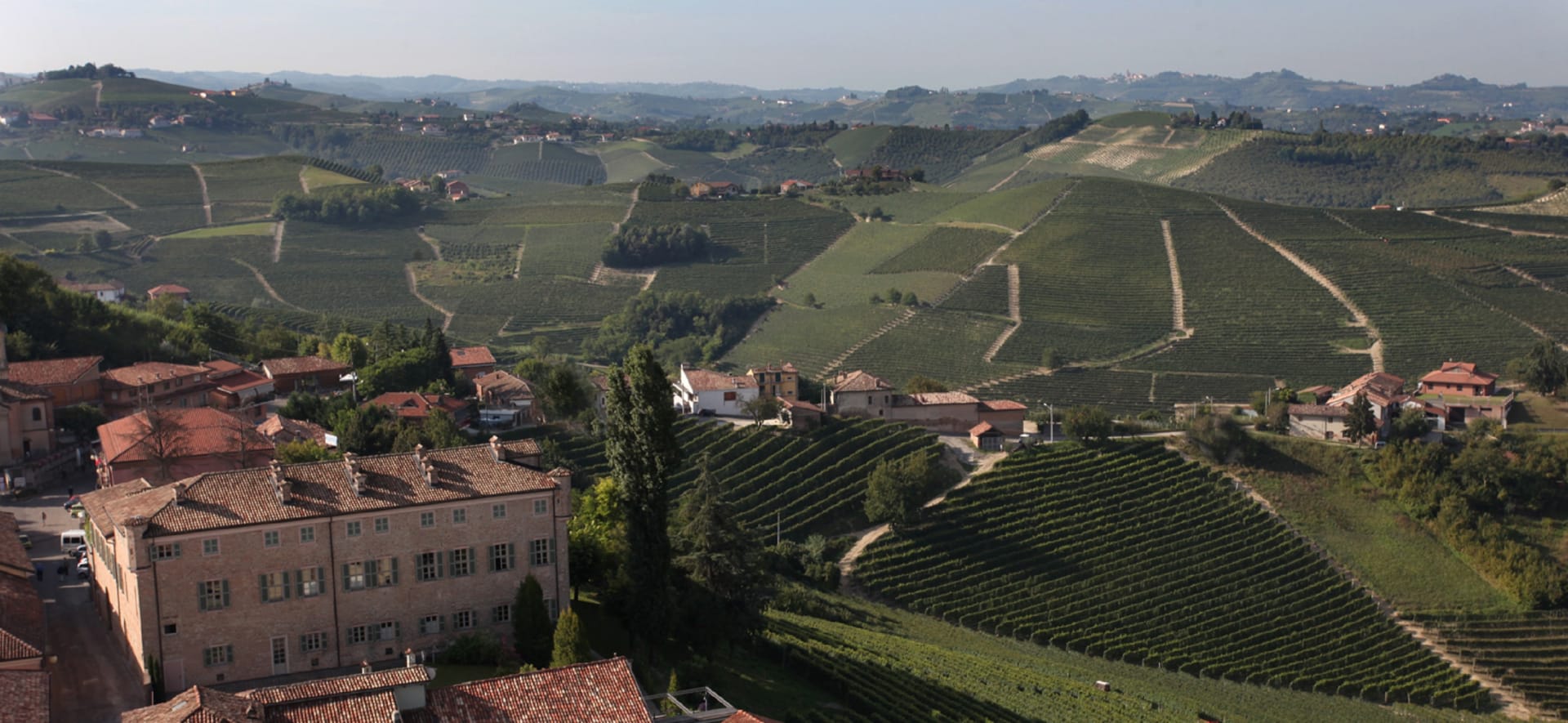


Perched atop a steep hill in the Langhe sits the small village of Barbaresco, home of the GAJA winery. The story of the GAJA Winery can be traced to a singular, founding purpose: to produce original wines with a sense of place which reflect the tradition and culture of those who made it. This philosophy has inspired five generations of impeccable winemaking. It started over 150 years ago when Giovanni Gaja opened a small restaurant in Barbaresco, making wine to complement the food he served. In 1859, he founded the Gaja Winery, producing some of the first wine from Piedmont to be bottled and sold outside the region. Since that time, the winery has been shaped by each generation’s hand, notably that of Clotilde Rey, Angelo Gaja’s grandmother. Her passion for uncompromising quality influenced and informed Angelo Gaja. Through Angelo, these values have become the cornerstone of the GAJA philosophy and are engrained in every aspect of wine production
In 1961, Angelo Gaja began his mission of bringing this great winery to an even higher level. He was the first to use barriques, 225-liter French oak barrels. Under his direction, GAJA pioneered the production of single-vineyard designated wines and was the first to plant Cabernet Sauvignon, Chardonnay and Sauvignon Blanc varietals in Piedmont. He was also instrumental in elevating the native Nebbiolo grape to world-class esteem.
Angelo Gaja is joined by the fifth generation of the GAJA family – his daughters Gaia and Rossana and his son Giovanni. Together they continue to advance the winery’s legacy. To fully realize their vision, all GAJA wines are produced exclusively from grapes grown in estate-owned vineyards, including 250 acres in Piedmont’s Barbaresco and Barolo districts as well as estates in Pieve Santa Restituta (Montalcino) and Ca’Marcanda (Bolgheri). It is from these storied vineyards, and their terroir – the combination of soil, weather and vines that grow upon them, that GAJA wines reveal their true heart and soul.

One of the world’s most classic and popular styles of red wine, Bordeaux-inspired blends have spread from their homeland in France to nearly every corner of the New World. Typically based on either Cabernet Sauvignon or Merlot and supported by Cabernet Franc, Malbec and Petit Verdot, the best of these are densely hued, fragrant, full of fruit and boast a structure that begs for cellar time. Somm Secret—Blends from Bordeaux are generally earthier compared to those from the New World, which tend to be fruit-dominant.

An outstanding wine region made famous by Marchese Mario Incisa della Rocchetta, who planted Cabernet Sauvignon vines for his own consumption in 1940s on his San Guido estate, and called the resulting wine, Sassicaia. Today the region’s Tuscan reds are based on Cabernet Sauvignon and Merlot, which can be made as single varietal wines or blends. The local Sangiovese can make up no more than 50% of the blends. Today Sassicaia has its own DOC designation within the Bogheri DOC appellation.