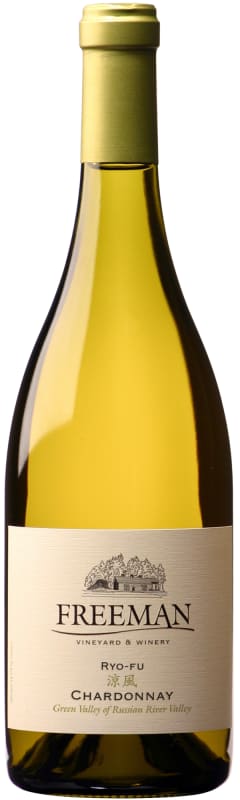


Winemaker Notes
The 2024 Freeman Ryo-fu Chardonnay starts with a very fragrant nose of lemon zest, summer peaches, fresh apricots and a hint of crème brûlée. The fruit flavors on the nose come through on the palate with the addition of crisp apples. Balanced and refreshing acidity bring the ’24 Ryo-fu to a brilliant finish that lasts for several minutes. Try this in 2026 while giving it plenty of aeration, and enjoy it through 2032.
Professional Ratings
-
James Suckling
Crunchy, showing sliced pears and apples, white peaches and just a hint of vanilla and green mangoes. Medium-bodied, offering a layered but not heavy palate with purity, focus and precision. Light limes and other citrus at the end. Beautiful primary expression, capturing the freshness of chardonnay. From different Wente clones.
-
Vinous
The 2024 Chardonnay Ryo-fu graces the palate with apricot, chamomile, dried flowers, mint, tangerine peel and light floral inflections. Airy and quite understated, the 2024 is attractive, but also very much on the lighter side stylistically.


One of the most popular and versatile white wine grapes, Chardonnay offers a wide range of flavors and styles depending on where it is grown and how it is made. While it tends to flourish in most environments, Chardonnay from its Burgundian homeland produces some of the most remarkable and longest lived examples. California produces both oaky, buttery styles and leaner, European-inspired wines. Somm Secret—The Burgundian subregion of Chablis, while typically using older oak barrels, produces a bright style similar to the unoaked style. Anyone who doesn't like oaky Chardonnay would likely enjoy Chablis.

Situated on the foggier and colder western edge of the Russian River Valley, almost abutting the Sonoma Coast appellation, Green Valley is one of California’s most reputable Chardonnay and Pinot noir producing regions. It is also a wonderful source of sparkling wines made from these varieties.
Goldridge soils abound throughout the Green Valley appellation. This fine, dark, sandy loam and fractured sandstone is derived from the remains of ancient inland seabeds dating back three to five million years. It is valuable for high quality grape growing because of its excellent drainage and low fertility.