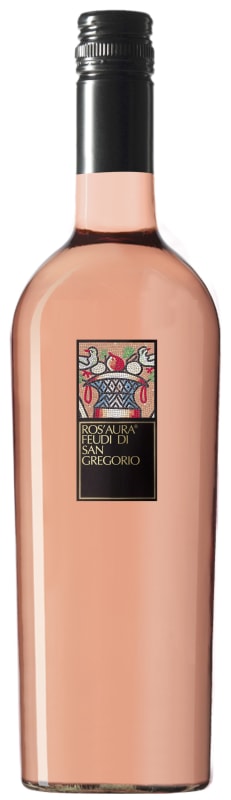


Winemaker Notes
An intense and bright rose color. Aromas of berries, such as wild strawberries, raspberries and cherries. Fresh and lively on the palate with notes of freshly-picked berries on the finish.


Whether it’s playful and fun or savory and serious, most rosé today is not your grandmother’s White Zinfandel, though that category remains strong. Pink wine has recently become quite trendy, and this time around it’s commonly quite dry. Since the pigment in red wines comes from keeping fermenting juice in contact with the grape skins for an extended period, it follows that a pink wine can be made using just a brief period of skin contact—usually just a couple of days. The resulting color depends on grape variety and winemaking style, ranging from pale salmon to deep magenta.

A winemaking renaissance is underfoot in Campania as more and more small, artisan and family-run wineries redefine their style with vineyard improvements and cellar upgrades. The region boasts a cool Mediterranean climate with extreme coastal, as well as high elevation mountain terroirs. It is cooler than one might expect in Campania; the region usually sees some of the last harvest dates in Italy.
Just south of Mount Vesuvio, the volcanic and sandy soils create aromatic and fresh reds based on Piedirosso and whites, made from Coda di Volpe and Falanghina. Both reds and whites go by the name, Lacryma Christi, meaning the "tears of Christ." South of Mount Vesuvio, along the Amalfi Coast, the white varieties of Falanghina and Biancolella make fresh, flirty, mineral-driven whites, and the red Piedirosso and Sciasinoso vines, which cling to steeply terraced coastlines, make snappy and ripe red wines.
Farther inland, as hills become mountains, the limestone soil of Irpinia supports the whites Fiano di Avellino, Falanghina and Greco di Tufo as well as the most-respected red of the south, Aglianico. Here the best and most age-worthy examples come from Taurasi.
Farther north and inland near the city of Benevento, the Taburno region also produces Aglianico of note—called Aglianico del Taburno—on alluvial soils. While not boasting the same heft as Taurasi, these are also reliable components of any cellar.