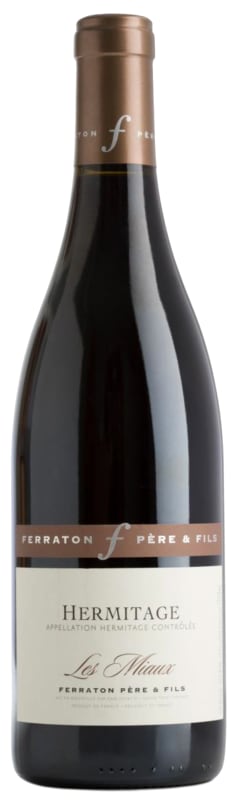


Winemaker Notes
Professional Ratings
-
Jeb Dunnuck
The entry-level Hermitage is the 2015 Hermitage Les Miaux, which comes from multiple terroirs. Revealing a deep, inky color as well as a stunning nose of blackcurrants, crushed rocks, graphite and violets, it hits the palate with full-bodied richness, impeccable balance and sweet tannin.
-
Wine Enthusiast
Crisp black-cherry and currant notes in this wine are subtle initially but gain ripeness with time and aeration. It's lusciously fruity yet balanced by acidity and intensely granitic mineral tones. The finish is long and penetrating, edged by fine, gripping tannins and lingering notes of dried garrigue and bramble.
-
James Suckling
Dark, dried berries and plums, wrapped in stony minerals, spices and dark pepper. The palate has deep flavors, cast amid fine, assertive tannins. Taut, fresh finish. From organically grown grapes.
-
Robert Parker's Wine Advocate
I found hints of charred beef, cinnamon, espresso and black olive on the nose of the 2015 Hermitage Les Miaux. It's a solid, full-bodied wine with moderate tannins and some beefy red fruit, but it lacks the drama of some of Ferraton's other offerings.
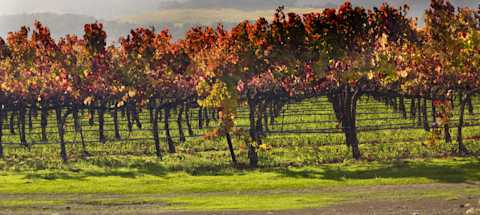
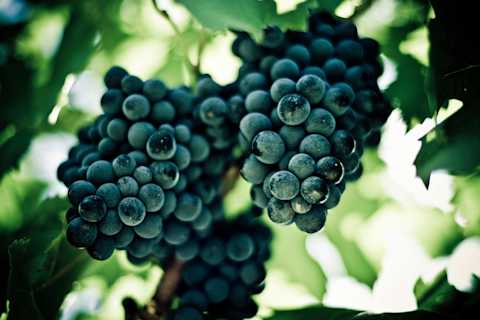
Marked by an unmistakable deep purple hue and savory aromatics, Syrah makes an intense, powerful and often age-worthy red. Native to the Northern Rhône, Syrah achieves its maximum potential in the steep village of Hermitage and plays an important component in the Red Rhône Blends of the south, adding color and structure to Grenache and Mourvèdre. Syrah is the most widely planted grape of Australia and is important in California and Washington. Sommelier Secret—Such a synergy these three create together, the Grenache, Syrah, Mourvedre trio often takes on the shorthand term, “GSM.”

One of the smallest and most important Syrah regions of northern Rhone, Hermitage is practically one single south-facing slope of crushed granite, thinly covered with varied, yet well-charted soil types. Many climats (well identified parcels) exist within Hermitage and while some smaller producers make single climat Syrahs, some larger ones blend to make one balanced expression of the appellation.
Though the AC regulations allow the addition of up to 15% white grapes to a red Hermitage, in practice it is usually made from Syrah alone. Winemaking is pretty traditional—or you might say historic—with hot fermentations and aging in older barrels of various sizes. The best wines, characterized by deep, dense and sexy flavors of black fruit, cocoa, licorice and tobacco, have massive textures and a solid 10-20 years aging potential.
The region of Hermitage is totally enclosed; the only place it could go really is to literally fall down its own hill into the city of Tain or the Rhone River. Soil erosion is a problem and terraces exist alongside the hill in order to keep the earth in place. Crozes-Hermitage encloses the region entirely to its north and south.
While Hermitage seems synonymous with some of the best Syrah on the planet, actually about one third of the wine produced here comes from white grapes. The full, lush and robust Marsanne or the less common, but almost more charming, Roussanne create wonderful whites in which the best have great potential for aging, like the reds.