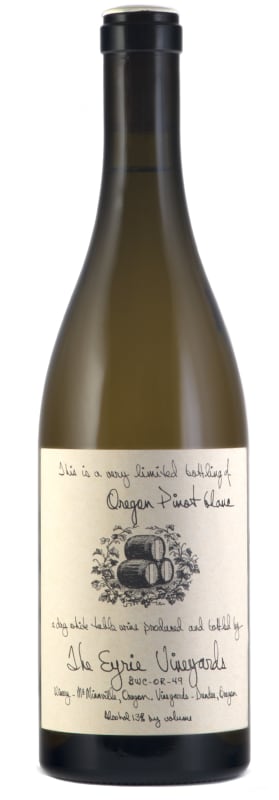


Winemaker Notes
When Alsatian clones of Pinot blanc became available in Oregon, a small test plot was planted in Eyrie’s Sisters Vineyard. The block was doubled in the late 1990s. The crop is picked by hand, destemmed, pressed, and run to small stainless steel tanks to ferment and age. We take a slow approach; their Pinot blanc ages 3-4 times longer than most commercial versions before bottling.
Professional Ratings
-
Robert Parker's Wine Advocate
The 2021 Pinot Blanc, matured on the lees for 11 months, has pure scents of ripe peach, mushroom powder, jasmine, beeswax and flint. The light-bodied palate is textural and spicy with focused acidity and a long, mineral-driven finish.
-
James Suckling
Aromas of white nectarines, pear skins, some honeysuckle and lemon peel, with a little hint of chamomile and custard. Medium- to full-bodied and textured with tangy acidity and a gentle phenolic touch. It shows tension and energy and has a citrusy, flavorful finish.

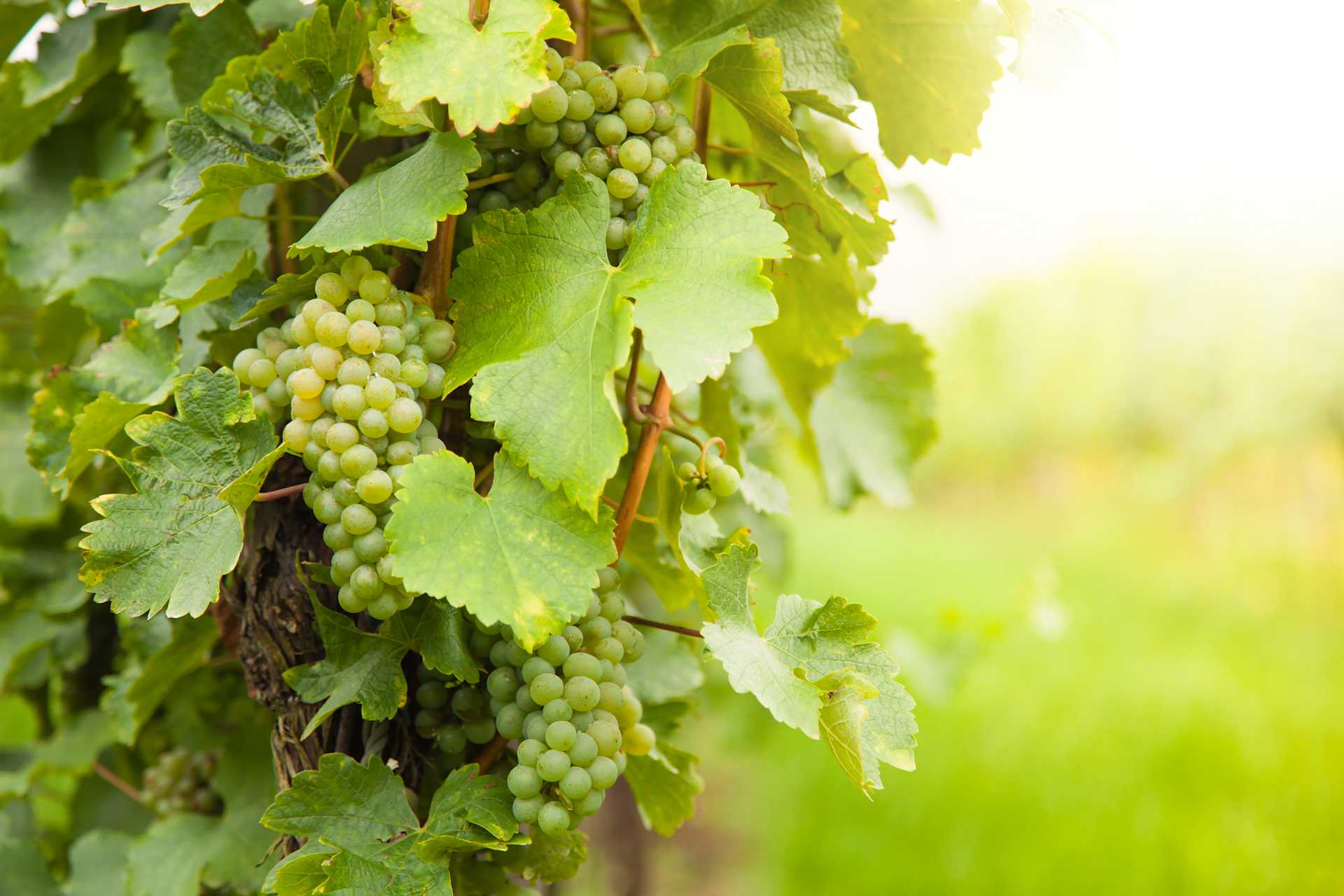
Approachable, aromatic and pleasantly plush on the palate, Pinot Blanc is a white grape variety most associated with the Alsace region of France. Although its heritage is Burgundian, today it is rarely found there and instead thrives throughout central Europe, namely Germany and Austria, where it is known as Weissburgunder and Alto Adige where it is called Pinot Bianco. Interestingly, Pinot Blanc was born out of a mutation of the pink-skinned Pinot Gris. Somm Secret—Chardonnay fans looking to try something new would benefit from giving Pinot Blanc a try.

Home of the first Pinot noir vineyard of the Willamette Valley, planted by David Lett of Eyrie Vineyard in 1966, today the Dundee Hills AVA remains the most densely planted AVA in the valley (and state). To its north sits the Chehalem Valley and to its south, runs the Willamette River. Within the region’s 12,500 acres, about 1,700 are planted to vine on predominantly basalt-based, volcanic, Jory soil.