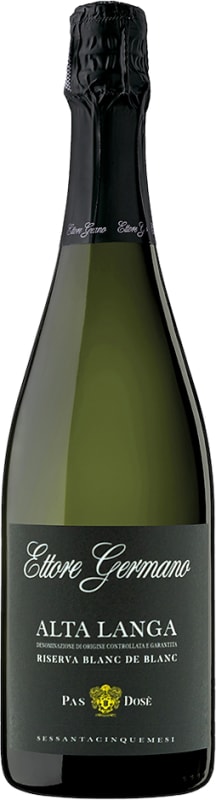


Winemaker Notes
100% Chardonnay. A fine and persistent perlage spreads into a straw yellow color. The aromas are expressed in an embrace of toasted bread crust and flowers typical of the high hills of the Langhe enveloped in the nuances of long maturation on the lees. The wine develops fresh salty and mineral notes. A great freshness is supported by the creaminess of effervescence and the body given by the stay on yeasts. The remarkable persistence makes it a fantastic companion to various dishes.
Professional Ratings
-
Wine Enthusiast
This wine took eight years to arrive and carries every one of them with complete assurance. It opens like a Hollywood starlet on the red carpet, poised and dressed to kill, baked apples, lemon curd, fresh bread and pressed yellow and white flowers commanding the room with effortless authority. The palate is equally composed, a creamy rounded texture balanced by bright acidity while lemon cream, roasted almond and a long salty finish ensure the exit is just as memorable as the entrance. Drink now through 2035.
Cellar Selection -
Robert Parker's Wine Advocate
Made with 100% Chardonnay, the Ettore Germano 2017 Alta Langa Riserva Blanc de Blanc Pas Dosè is aged on the lees for 65 months, resulting in remarkable precision and finesse. The wine shows a fine, persistent bead with tight aromas of citrus, crushed stone and Golden Delicious apple. It is crisp and beautifully defined, with just enough orchard fruit to flesh out the mid-palate before notes of sweet almond and delicate spice emerge on the medium- to full-bodied finish. The wine remains driven by intense focus and pronounced minerality.
-
Vinous
Platinum gold in the glass, the 2017 Blanc de Blanc Alta Langa Riserva Sessantacinquemesi Pas Dosé slowly evolves with hints of incense and gingery spice, giving way to dried flowers and young peaches. It’s distinctly mineral in style with a saline mix of tart orchard fruits and sour citrus tones carried across a cascade of crystalline bubbles. The 2017 leaves an herbal thrust as the mouth waters for more, finishing remarkably juicy yet refined. (Lot# 10/18)
-
Wine Spectator
The 2017 Alta Langa Riserva Blanc de Blancs Pas Dosé offers an attractive, slightly more rounded profile, with aromas of lemon curd, fresh flowers, and pastry dough. Despite the warm vintage, it retains impressive freshness and precision. Medium-bodied, it has refined depth and complexity, showing the estate’s clean and focused style. Drink over the coming decade. Drink 2026-2036.
-
Decanter
Aromatic freshness of white blossom and pear and apple fruit, but also hints of maturity in the toasted bread crust aromas at the back. On the palate it is broad and intense, and very firmly structured with a tactile impact and a very solid, concentrated finish. A big, dry, savoury wine from this noted Barolo producer.


Representing the topmost expression of a Champagne house, a vintage Champagne is one made from the produce of a single, superior harvest year. Vintage Champagnes account for a mere 5% of total Champagne production and are produced about three times in a decade. Champagne is typically made as a blend of multiple years in order to preserve the house style; these will have non-vintage, or simply, NV on the label. The term, "vintage," as it applies to all wine, simply means a single harvest year.

Set upon a backdrop of the visually stunning Alps, the enchanting and rolling hills of Piedmont are the source of some of the country’s longest-lived and most sought-after red wines. Vineyards cover a great majority of the land area—especially in Barolo—with the most prized sites at the top hilltops or on south-facing slopes where sunlight exposure is maximized. Piedmont has a continental climate with hot, humid summers leading to cold winters and precipitation year-round. The reliable autumnal fog provides a cooling effect, especially beneficial for Nebbiolo, Piedmont’s most prestigious variety.
In fact, Nebbiolo is named exactly for the arrival of this pre-harvest fog (called “nebbia” in Italian), which prolongs cluster hang time and allows full phenolic balance and ripeness. Harvest of Nebbiolo is last among Piedmont's wine varieties, occurring sometime in October. This grape is responsible for the exalted Piedmont wines of Barbaresco and Barolo, known for their ageability, firm tannins and hallmark aromas of tar and roses. Nebbiolo wines, despite their pale hue, pack a pleasing punch of flavor and structure; the best examples can require about a decade’s wait before they become approachable. Barbaresco tends to be more elegant in style while Barolo is more powerful. Across the Tanaro River, the Roero region, and farther north, the regions of Gattinara and Ghemme, also produce excellent quality Nebbiolo.
Easy-going Barbera is the most planted grape in Piedmont, beloved for its trademark high acidity, low tannin and juicy red fruit. Dolcetto, Piedmont’s other important red grape, is usually ready within a couple of years of release.
White wines, while less ubiquitous here, should not be missed. Key Piedmont wine varieties include Arneis, Cortese, Timorasso, Erbaluce and the sweet, charming Muscat, responsible for the brilliantly recognizable, Moscato d'Asti.