Winemaker Notes
We believe that the best wines in the world are blends. Teamwork always achieves better results if managed correctly than a single person trying to do it all on his own. This is the concept that we put together by using the traditional five Bordeaux cultivars to tailor make the blend according to the taste profiles that Ernie and the team at Rust en Vrede can put together.
The wine has developed well over the last eight months since it has been bottled. Integration of the tannins of the different varieties has progressed to such an extent that, though still young, the wine is very accessible and ready for release into the market place.
The potential of the Els blend should not be underestimated. The delicate balance between ageing and accessibility must be closely followed, as this wine is made to age over a long period of time.
Dense and earthy with green pepper, plum and good extraction of wild berry flavours. An elegant wine, the finish is long and complex with dried fruit flavours lingering. Good clean tannins, the wine will benefit from cellaring.
2001 Blend:
Cabernet Sauvignon (52%)
Merlot (33%)
Malbec (3%)
Cabernet Franc(5%)
Petit Verdot (7%)
Professional Ratings
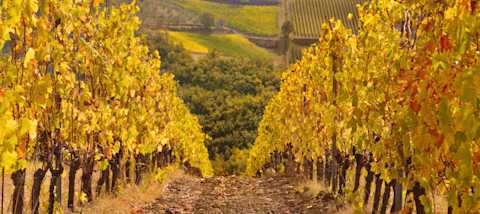

One of the world’s most classic and popular styles of red wine, Bordeaux-inspired blends have spread from their homeland in France to nearly every corner of the New World. Typically based on either Cabernet Sauvignon or Merlot and supported by Cabernet Franc, Malbec and Petit Verdot, the best of these are densely hued, fragrant, full of fruit and boast a structure that begs for cellar time. Somm Secret—Blends from Bordeaux are generally earthier compared to those from the New World, which tend to be fruit-dominant.
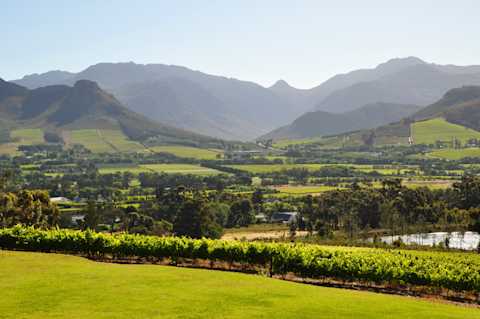
With an important wine renaissance in full swing, impressive red and white bargains abound in South Africa. The country has a particularly long and rich history with winemaking, especially considering its status as part of the “New World.” In the mid-17th century, the lusciously sweet dessert wines of Constantia were highly prized by the European aristocracy. Since then, the South African wine industry has experienced some setbacks due to the phylloxera infestation of the late 1800s and political difficulties throughout the following century.
Today, however, South Africa is increasingly responsible for high-demand, high-quality wines—a blessing to put the country back on the international wine map. Wine production is mainly situated around Cape Town, where the climate is generally warm to hot. But the Benguela Current from Antarctica provides brisk ocean breezes necessary for steady ripening of grapes. Similarly, cooler, high-elevation vineyard sites throughout South Africa offer similar, favorable growing conditions.
South Africa’s wine zones are divided into region, then smaller districts and finally wards, but the country’s wine styles are differentiated more by grape variety than by region. Pinotage, a cross between Pinot Noir and Cinsault, is the country’s “signature” grape, responsible for red-fruit-driven, spicy, earthy reds. When Pinotage is blended with other red varieties, like Cabernet Sauvignon, Merlot, Syrah or Pinot Noir (all commonly vinified alone as well), it is often labeled as a “Cape Blend.” Chenin Blanc (locally known as “Steen”) dominates white wine production, with Chardonnay and Sauvignon Blanc following close behind.