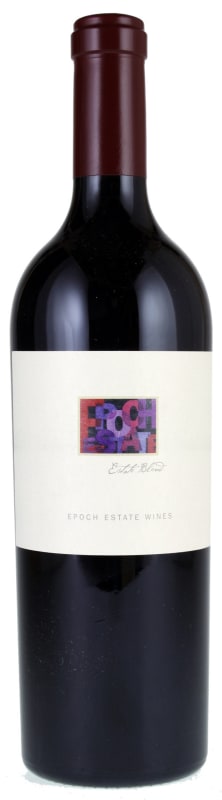


Winemaker Notes
Blend: 32% Syrah, 25% Grenache, 25% Mourvèdre, 10% Tempranillo, 8% Zinfandel
Professional Ratings
-
Wine Enthusiast
Sourced from the estate's Paderewski and Catapult vineyards, this blend of 32% Syrah, 25% Grenache, 25% Mourvedre, 10% Tempranillo and 8% Zinfandel bursts wirth balckberry, baking spice, violet and Concord grape aromas. Framed by firm but ready tannins, the palate shows blackberry, cola, white pepper and dried lavender flavors.
-
Robert Parker's Wine Advocate
The entry-level release is the 2013 Estate Blend and it's 32% Syrah, 25% Grenache, 25% Mourvedre, 10% Tempranillo and 8% Zinfandel. Seeing lots of co-fermentation and aging in 33% new French oak puncheons, it's juicy and forward, with plump and forward notes of plums, blackberries, pepper, underbrush and hints of violets. Full-bodied, sexy and textured, yet always classy and easy drinking, it should evolve nicely for 4-5 years. Incorporating all of the varieties of the estate, it's a great intro into the style of Epoch.
-
Wine Spectator
Plush and bold, but not shy on ripeness, this features a core of loamy tannins and bright acidity, maintaining focus. Delivers notes of blackberry cobbler, smoky cracked pepper, licorice and grilled herbs. Syrah, Grenache, Mourvèdre, Tempranillo and Zinfandel. Best from 2018 through 2027. 1,753 cases made.


With hundreds of red grape varieties to choose from, winemakers have the freedom to create a virtually endless assortment of blended red wines. In many European regions, strict laws are in place determining the set of varieties that may be used, but in the New World, experimentation is permitted and encouraged resulting in a wide variety of red wine styles. Blending can be utilized to enhance balance or create complexity, lending different layers of flavors and aromas. For example, a red wine blend variety that creates a fruity and full-bodied wine would do well combined with one that is naturally high in acidity and tannins. Sometimes small amounts of a particular variety are added to boost color or aromatics. Blending can take place before or after fermentation, with the latter, more popular option giving more control to the winemaker over the final qualities of the wine.
How to Serve Red Wine
A common piece of advice is to serve red wine at “room temperature,” but this suggestion is imprecise. After all, room temperature in January is likely to be quite different than in August, even considering the possible effect of central heating and air conditioning systems. The proper temperature to aim for is 55° F to 60° F for lighter-bodied reds and 60° F to 65° F for fuller-bodied wines.
How Long Does Red Wine Last?
Once opened and re-corked, a bottle stored in a cool, dark environment (like your fridge) will stay fresh and nicely drinkable for a day or two. There are products available that can extend that period by a couple of days. As for unopened bottles, optimal storage means keeping them on their sides in a moderately humid environment at about 57° F. Red wines stored in this manner will stay good – and possibly improve – for anywhere from one year to multiple decades. Assessing how long to hold on to a bottle is a complicated science. If you are planning long-term storage of your reds, seek the advice of a wine professional.

Paso Robles has made a name for itself as a source of supple, powerful, fruit-driven Central Coast wines. But with eleven smaller sub-AVAs, there is actually quite a bit of diversity to be found in this inland portion of California’s Central Coast.
Just east over the Santa Lucia Mountains from the chilly Pacific Ocean, lie the coolest in the region: Adelaida, Templeton Gap and (Paso Robles) Willow Creek Districts, as well as York Mountain AVA and Santa Margarita Ranch. These all experience more ocean fog, wind and precipitation compared to the rest of the Paso sub-appellations. The San Miguel, (Paso Robles) Estrella, (Paso Robles) Geneso, (Paso Robles) Highlands, El Pomar and Creston Districts, along with San Juan Creek, are the hotter, more western appellations of the greater Paso Robles AVA.
This is mostly red wine country, with Cabernet Sauvignon and Zinfandel standing out as the star performers. Other popular varieties include Merlot, Petite Sirah, Petit Verdot, Syrah, Grenache and Rhône blends, both red and white. There is a fairly uniform tendency here towards wines that are unapologetically bold and opulently fruit-driven, albeit with a surprising amount of acidity thanks to the region’s chilly nighttime temperatures.