


Winemaker Notes
Benje Tinto is sourced from 1,000 meters elevation, old-vine, pie franco parcels of Listán Prieto. Each parcel is hand-harvested and vinified separately, some in concrete and some in small open tubs. Maceration is 10-30 days (depending on parcel) with daily punch-down; malolactic fermentation is in neutral French barriques, then raised eight months in the same barrels without battonage. Bottling is without fining or filtration.
Professional Ratings
-
Robert Parker's Wine Advocate
The southern red 2024 Benje is mostly Listán Prieto (a.k.a. País) from the Santiago del Teide zone of Tenerife, with some 9% Listán Blanco and maybe 1% Tintilla. It has a textbook nose of wet basalt, dry rose petals, black pepper and gunpowder. It has a medium-bodied and fine palate, with more freshness and hyper fine tannins. This has to be one of the best values from the whole of Spain, and this is one of the finest vintages. It comes in at 12.5% alcohol, with a pH of 3.36 and 6.2 grams of acidity. They have reduced the whole clusters and aged exclusively in neutral 225-liter barrels. 14,500 bottles and 150 magnums produced. It was bottled in July 2025.
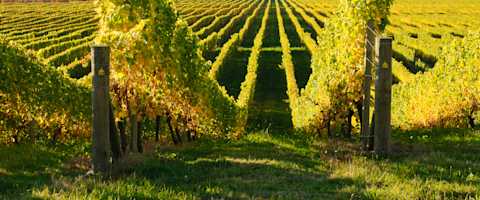

With hundreds of red grape varieties to choose from, winemakers have the freedom to create a virtually endless assortment of blended red wines. In many European regions, strict laws are in place determining the set of varieties that may be used, but in the New World, experimentation is permitted and encouraged resulting in a wide variety of red wine styles. Blending can be utilized to enhance balance or create complexity, lending different layers of flavors and aromas. For example, a red wine blend variety that creates a fruity and full-bodied wine would do well combined with one that is naturally high in acidity and tannins. Sometimes small amounts of a particular variety are added to boost color or aromatics. Blending can take place before or after fermentation, with the latter, more popular option giving more control to the winemaker over the final qualities of the wine.
How to Serve Red Wine
A common piece of advice is to serve red wine at “room temperature,” but this suggestion is imprecise. After all, room temperature in January is likely to be quite different than in August, even considering the possible effect of central heating and air conditioning systems. The proper temperature to aim for is 55° F to 60° F for lighter-bodied reds and 60° F to 65° F for fuller-bodied wines.
How Long Does Red Wine Last?
Once opened and re-corked, a bottle stored in a cool, dark environment (like your fridge) will stay fresh and nicely drinkable for a day or two. There are products available that can extend that period by a couple of days. As for unopened bottles, optimal storage means keeping them on their sides in a moderately humid environment at about 57° F. Red wines stored in this manner will stay good – and possibly improve – for anywhere from one year to multiple decades. Assessing how long to hold on to a bottle is a complicated science. If you are planning long-term storage of your reds, seek the advice of a wine professional.
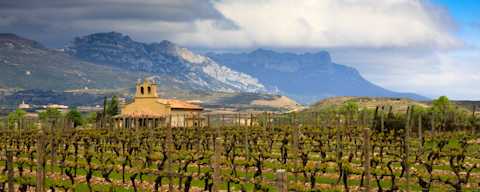
Set of islands off the coast of Morocco and south of Madeira that host a wide range of indigenous and unique grape varieties. Soils are volcanic and recent subsidies from the local government has led to a revival of the islands’ old vines.