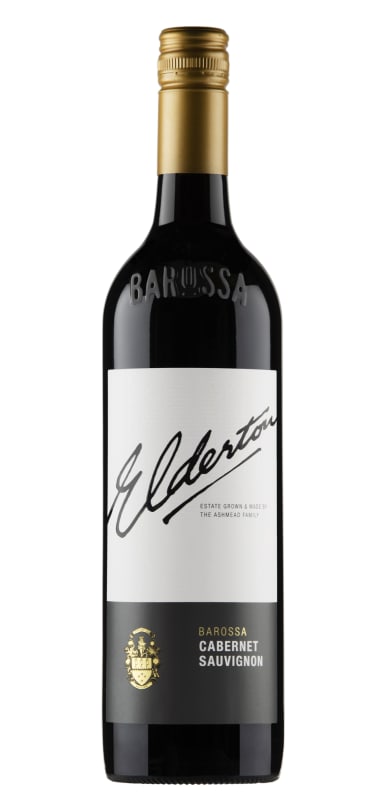


Winemaker Notes
The wine is a deep crimson color, with aromas of fresh chocolate, intense black forest fruits, licorice, and subtle mint leaf. On the palate, generous ripe black currant, blackberry, milk chocolate with hints of dried herbs. Deft use of oak supports the fruit up front, with mouth coating tannins that lengthen the finish.
Professional Ratings
-
James Suckling
Quite intense cassis aromas on offer here with a gently leafy edge, some tarry elements, leafy notes and black olives. The palate has a fresh, elegantly delivered tannin structure with blueberry and cassis flavors and some pastry-like layering at the finish.


A noble variety bestowed with both power and concentration, Cabernet Sauvignon enjoys success all over the globe, its best examples showing potential to age beautifully for decades. Cabernet Sauvignon flourishes in Bordeaux's Medoc where it is often blended with Merlot and smaller amounts of some combination of Cabernet Franc, Malbecand Petit Verdot. In the Napa Valley, ‘Cab’ is responsible for some of the world’s most prestigious, age-worthy and sought-after “cult” wines. Somm Secret—DNA profiling in 1997 revealed that Cabernet Sauvignon was born from a spontaneous crossing of Cabernet Franc and Sauvignon Blanc in 17th century southwest France.

Historically and presently the most important wine-producing region of Australia, the Barossa Valley is set in the Barossa zone of South Australia, where more than half of the country’s wine is made. Because the climate is very hot and dry, vineyard managers work diligently to ensure grapes reach the perfect levels of phenolic ripeness.
The intense heat is ideal for plush, bold reds, particularly Shiraz on its own or Rhône Blends. Often Shiraz and Cabernet partner up for plump and powerful reds.
While much less prevalent, light-skinned varieties such as Riesling, Viognier or Semillon produce vibrant Barossa Valley whites.
Most of Australia’s largest wine producers are based here and Shiraz plantings date back as far as the 1850s or before. Many of them are dry farmed and bush trained, still offering less than one ton per acre of inky, intense, purple juice.