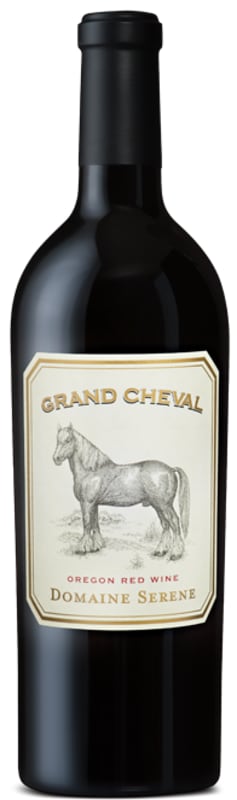


Winemaker Notes
The 2016 vintage combines the rich aromatics of German chocolate cake and cherry cordial with notes of savory black pepper, spice cake, and bay leaf. The mouthfeel is both plush and structured, ensuring that this elegant and balanced wine will age gracefully over time.
Professional Ratings
-
James Suckling
A proprietary blend that is designed to deliver a more robust style, combining Willamette Valley pinot noir with syrah from Walla Walla. The aromas of blackberry and violet-like flowers with dark plums are impressive and the palate has deeply vibrant, dark-berry flavors with a very spirited, succulent feel to the finish. Drink or hold.
-
Wine Enthusiast
A blend of Dundee Hills Pinot Noir and Walla Walla Syrah, this counterpoints the winery’s numerous Pinot Noirs with a most interesting fusion of flavors. Initially bursting with juicy raspberry fruit, it continues to add blueberry, lemon rind and a touch of orange marmalade, all buoyed by ample acidity. Drink now–2025.
-
Wilfred Wong of Wine.com
COMMENTARY: The 2016 Domaine Serene Grand Cheval is a delicious and firmly-built red wine. TASTING NOTES: This wine brings power to the fore. Enjoy its generous blackberry aromas and flavors with slowly-cooked short ribs. (Tasted: April 28, 2020, San Francisco, CA)


Ken and Grace Evenstad founded Domaine Serene Vineyards and Winery in 1989 when they purchased 42 acres of just-logged land in the Dundee Hills of Oregon and built a five-level, gravity flow winery to produce ultra-premium Pinot Noir. Today, Domaine Serene produces wines from six individual vineyard estates in the Willamette Valley planted exclusively to Pinot Noir and Chardonnay. Each estate offers a diversity of soils, clones, rootstocks, microclimates, slopes, and elevations that add distinguishing complexity and elegance to the wines.
The Evenstads now own over 1,000 acres, more than 360 of which are planted to vine in three AVAs of the Willamette Valley and are actively preserving Oregon White Oak trees and the biodiversity of the region. They have achieved LIVE certification, the highest certification in the world for sustainable viticulture. Domaine Serene’s wines have won many accolades and awards, including 200 wines scoring 90 points or higher by Wine Spectator. Their 2013 Evenstad Reserve Pinot Noir was recognized as #3 Wine in the World, while the 2014 Evenstad Reserve Chardonnay received 95 points and was ranked the #2 Wine in the World according to Wine Spectator. Over the years, Domaine Serene has opened three Oregon Wine Lounges in Portland, Bend, and Lake Oswego that offer wine club members, locals, and visitors an elevated wine experience.

With hundreds of red grape varieties to choose from, winemakers have the freedom to create a virtually endless assortment of blended red wines. In many European regions, strict laws are in place determining the set of varieties that may be used, but in the New World, experimentation is permitted and encouraged resulting in a wide variety of red wine styles. Blending can be utilized to enhance balance or create complexity, lending different layers of flavors and aromas. For example, a red wine blend variety that creates a fruity and full-bodied wine would do well combined with one that is naturally high in acidity and tannins. Sometimes small amounts of a particular variety are added to boost color or aromatics. Blending can take place before or after fermentation, with the latter, more popular option giving more control to the winemaker over the final qualities of the wine.
How to Serve Red Wine
A common piece of advice is to serve red wine at “room temperature,” but this suggestion is imprecise. After all, room temperature in January is likely to be quite different than in August, even considering the possible effect of central heating and air conditioning systems. The proper temperature to aim for is 55° F to 60° F for lighter-bodied reds and 60° F to 65° F for fuller-bodied wines.
How Long Does Red Wine Last?
Once opened and re-corked, a bottle stored in a cool, dark environment (like your fridge) will stay fresh and nicely drinkable for a day or two. There are products available that can extend that period by a couple of days. As for unopened bottles, optimal storage means keeping them on their sides in a moderately humid environment at about 57° F. Red wines stored in this manner will stay good – and possibly improve – for anywhere from one year to multiple decades. Assessing how long to hold on to a bottle is a complicated science. If you are planning long-term storage of your reds, seek the advice of a wine professional.

Home to some of America’s most celebrated Pinot Noir, Oregon maintains a tight focus on small production, high quality wine even while the state’s industry enjoys steady growth. As a world-renowned wine region, Oregon has more than 700 wineries and is home to well over 70 grape varieties. With a mostly Mediterranean climate, its cooler and wetter regions lie in the west, close to the Pacific Coast.
By far the most reputed Oregon wine region is the Willamette Valley, which is further subdivided into six smaller appellations: Chehalem Mountains, Dundee Hills, Eola-Amity Hills, McMinnville, Ribbon Ridge and Yamhill-Carlton.
The Oregon wine region's most obvious success story is with Pinot Noir, which here takes on a personality that could be described in general terms as somewhere in between the wines of California and Burgundy—and is often more affordable than either one. The best Willamette Pinot noir has a rare combination of red and black fruit, elegant balance, high acidity and rustic earth. While completely enjoyable in their youth, some of the better, single vineyard or appellation-specific Pinot noirs can often benefit from some cellar time.
Other AVAs in Oregon’s west worth noting include Umpqua Valley and Rogue Valley.
In the east are Snake River Valley, which overlaps into Idaho, and Columbia Valley, which Oregon shares with Washington. Summers are hot and dry in these regions but winters are cold and rainy.
Pinot Gris, Chardonnay, Riesling and Pinot blanc also grow successfully in Oregon.