


Winemaker Notes
Professional Ratings
-
Robert Parker's Wine Advocate
The 2007 Lirac Clos de Sixte is composed of 50% Grenache, 35% Syrah, and 15% Mourvedre. Abundant licorice, graphite, black cherry, and blackberry characteristics are offered in a full-bodied, deep, fleshy style. Liracs generally do not age as long as Chateauneuf du Papes, but this effort is capable of lasting 5-7 years where well-stored as it is a big, impressively endowed wine.
This is one of the most ambitious estates as well as burgeoning negociant operations in Chateauneuf du Pape. The two Jaume brothers, Sebastien and Christophe, continue to ratchet up the level of quality with a bevy of brilliant Chateauneuf du Papes and for bargain hunters, some top-flight offerings that include generic Cotes du Rhones as well as Cotes du Rhone-Villages. They also produce an impressive Gigondas. The estate wines, bottled under the name Domaine Grand Veneur, include two of the finest white Chateauneuf du Papes of the village (they own 5 acres of white grapes, a relatively large amount when only 3-4% of the appellation's production is in white wine).
-
James Suckling
Rhone value. Fruity and spicy with lots of meat notes too. Full-bodied, with firm tannins and a chocolate and berry character. Long and powerful. Lots going on here. 50% Grenache, 35% Syrah, 15% Mourvedre.
-
Wine Enthusiast
Intense gamy, woodsy, black olive aromas with notes of loganberry, sloe, blackberry and a hint of smoke. Powerful and full-bodied, richly textured with firm tannins but fresh and vibrant across the palate. Very flavorful with layers of black cherry-berry fruit, wild plums, savory meaty notes
-
Wine Spectator
Dark and ripe, with plum and crushed currant fruit flavors gliding over chalky mineral, tobacco and floral notes. There's an alluring touch of spice on the velvety finish.
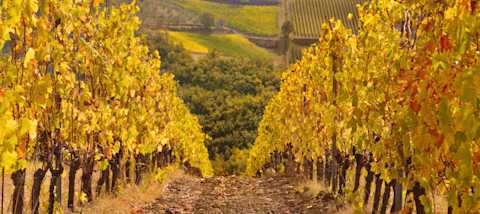
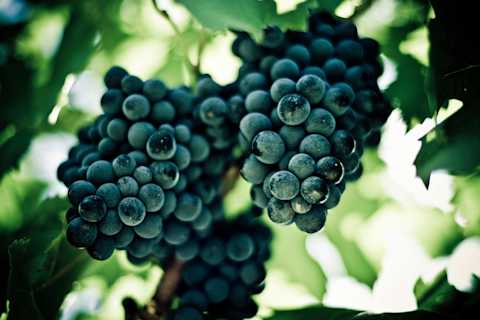
With bold fruit flavors and accents of sweet spice, Grenache, Syrah and Mourvèdre form the base of the classic Rhône Red Blend, while Carignan, Cinsault and Counoise often come in to play. Though they originated from France’s southern Rhône Valley, with some creative interpretation, Rhône blends have also become popular in other countries. Somm Secret—Putting their own local spin on the Rhône Red Blend, those from Priorat often include Merlot and Cabernet Sauvignon. In California, it is not uncommon to see Petite Sirah make an appearance.

A long and narrow valley producing flavorful red, white, and rosé wines, the Rhône is bisected by the river of the same name and split into two distinct sub-regions—north and south. While a handful of grape varieties span the entire length of the Rhône valley, there are significant differences between the two zones in climate and geography as well as the style and quantity of Rhône wines produced. The Northern Rhône, with its continental climate and steep hillside vineyards, is responsible for a mere 5% or less of the greater region’s total output. The Southern Rhône has a much more Mediterranean climate, the aggressive, chilly Mistral wind and plentiful fragrant wild herbs known collectively as ‘garrigue.’
In the Northern Rhône, the only permitted red variety is Syrah, which in the appellations of St.-Joseph, Crozes-Hermitage, Hermitage, Cornas and Côte-Rôtie, it produces velvety black-fruit driven, savory, peppery red wines often with telltale notes of olive, game and smoke. Full-bodied, perfumed whites are made from Viognier in Condrieu and Château-Grillet, while elsewhere only Marsanne and Roussanne are used, with the former providing body and texture and the latter lending nervy acidity. The wines of the Southern Rhône are typically blends, with the reds often based on Grenache and balanced by Syrah, Mourvèdre, and an assortment of other varieties. All three northern white varieties are used here, as well as Grenache Blanc, Clairette, Bourbelenc and more. The best known sub-regions of the Southern Rhône are the reliable, wallet-friendly Côtes du Rhône and the esteemed Châteauneuf-du-Pape. Others include Gigondas, Vacqueyras and the rosé-only appellation Tavel.