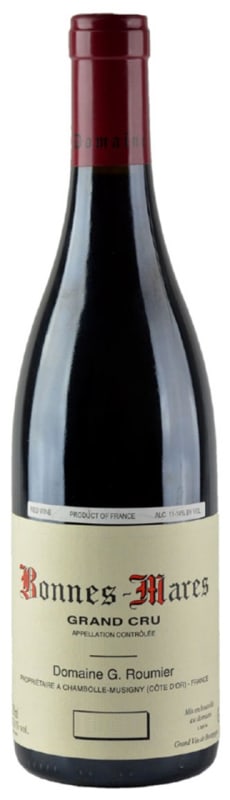


Winemaker Notes
Roumier owns two roughly equally-sized parcels of Bonnes-Mares - one in the “Terres Blanches” towards the top of Bonnes Mares on chalky marl soils rich in fossilized seashells, and one in the “Terres Rouges” section towards the bottom of the slope with more clay. The two parcels are vinified and aged separately, and then blended before bottling. The Terres Blanches gives the final blend its soaring aromatics and minerality, while the Terres Rouges provides backbone and depth.
Professional Ratings
-
Jasper Morris
A vivid fresh young colour, no need to hurry here. The bouquet remains backward too – a suggestion that there is plenty to follow, but no real delivery yet. However, the palate is ready to speak with a wealth of dark berry fruit and some light chocolate notes. This is showing its whole bunch component, in a way which works very well. narrowly my favourite of an excellent trio of Bonnes Mares.
-
Wine Spectator
This seductive red offers black cherry, sandalwood and floral aromas and flavors balanced on a rich texture. Dense, featuring lively acidity, with well-integrated tannins providing support on the long and concentrated finish. Best from 2017 through 2030. 70 cases imported.
-
Robert Parker's Wine Advocate
The 2011 Bonnes-Mares Grand Cru is blessed with a fragrant bouquet of dried violet petals, hints of burnt toast and plenty of black fruit vying for attention, however, it needs a couple of years to fully coalesce. The palate is medium-bodied with firm tannins on the entry. This is a big wine, filling the mouth with ease with layers of black fruit, tobacco and a saline tang on the aftertaste. It is quite austere on the finish at the moment. Drink 2017-2030+.
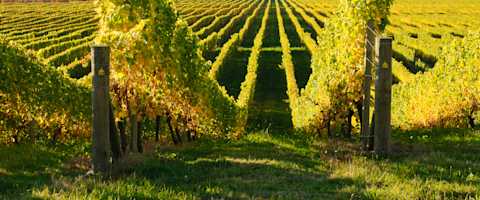
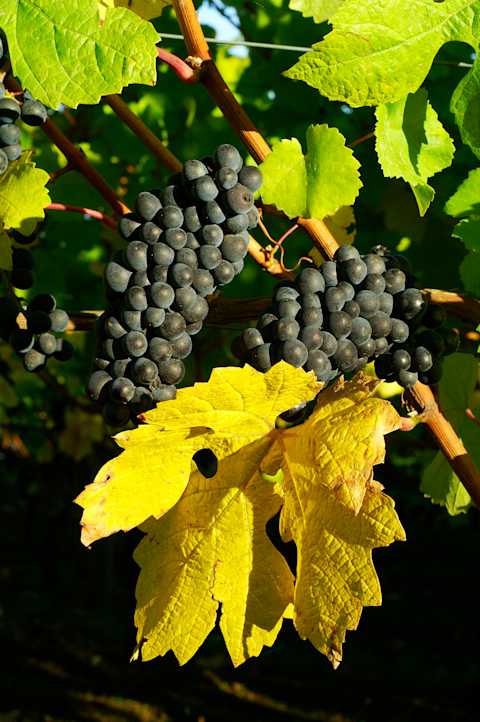
Thin-skinned, finicky and temperamental, Pinot Noir is also one of the most rewarding grapes to grow and remains a labor of love for some of the greatest vignerons in Burgundy. Fairly adaptable but highly reflective of the environment in which it is grown, Pinot Noir prefers a cool climate and requires low yields to achieve high quality. Outside of France, outstanding examples come from in Oregon, California and throughout specific locations in wine-producing world. Somm Secret—André Tchelistcheff, California’s most influential post-Prohibition winemaker decidedly stayed away from the grape, claiming “God made Cabernet. The Devil made Pinot Noir.”

The origin of perhaps the world’s very finest Pinot Noir, Côte de Nuits is the northern half of the Côte d'Or and includes the famous wine villages of Gevrey-Chambertin, Morey-St-Denis, Chambolle-Musigny, Vougeot, Vosne-Romanée, Flagey-Echezeaux and Nuits-St-Georges.
Fine whites from Chardonnay are certainly found in the Côte de Nuits, but with much less frequency than top-performing reds made of Pinot noir. The little village of Nuits-St-Georges in its southern end gave the region its name: Côte de Nuits. The city of Dijon marks its northern border.