
Winemaker Notes
Professional Ratings
-
Robert Parker's Wine Advocate
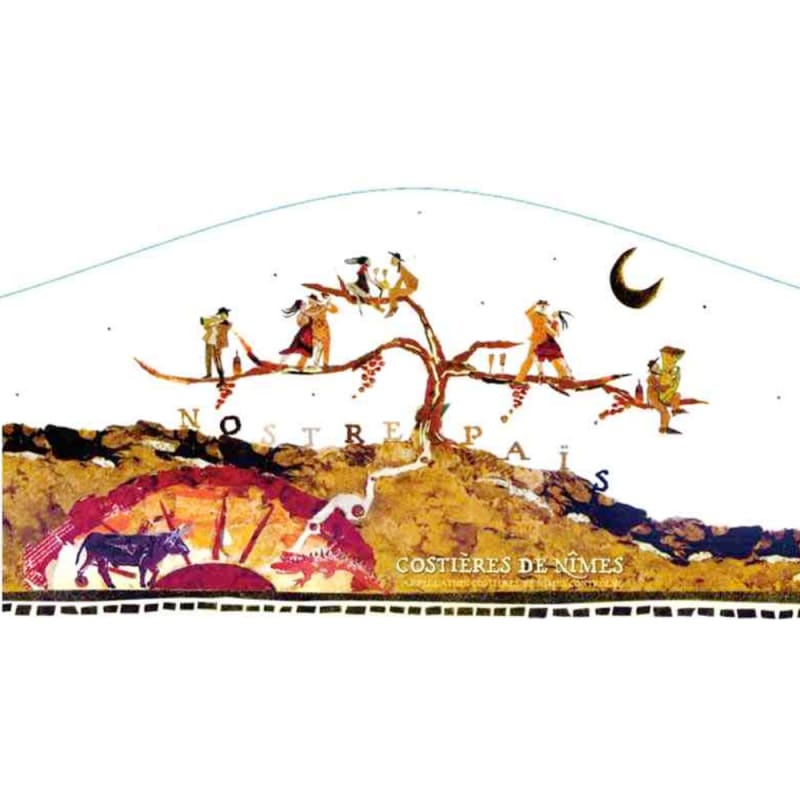
The 2009 Costieres de Nimes Nostra Pays is Gassier’s way of showcasing the five major red wine varietals of this appellation. Composed of 35% Grenache, 25% Carignan, 20% Mourvedre, 15% Cinsault and 5% Syrah aged for 6 months in barrel, it boasts a deep ruby color as well as a soft, elegant style revealing silky tannins, a Pinot Noir-like sensibility, aromas of forest floor, tobacco leaf, red and black currants and a crisp finish. It should drink well for 3-4 years.
Costieres de Nimes is a treasure-trove for value hunters. Moreover, there are a lot of high quality vignerons and domaines in that sun-drenched, Mistral-blown appellation just south of Chateauneuf du Pape. Michel Gassier is one of the stars of this appellation and he makes a number of cuvees that all merit attention.
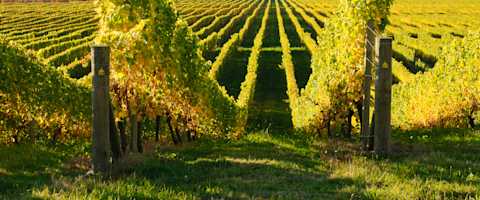
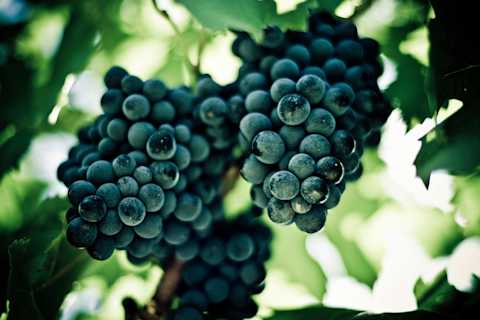
With bold fruit flavors and accents of sweet spice, Grenache, Syrah and Mourvèdre form the base of the classic Rhône Red Blend, while Carignan, Cinsault and Counoise often come in to play. Though they originated from France’s southern Rhône Valley, with some creative interpretation, Rhône blends have also become popular in other countries. Somm Secret—Putting their own local spin on the Rhône Red Blend, those from Priorat often include Merlot and Cabernet Sauvignon. In California, it is not uncommon to see Petite Sirah make an appearance.

A long and narrow valley producing flavorful red, white, and rosé wines, the Rhône is bisected by the river of the same name and split into two distinct sub-regions—north and south. While a handful of grape varieties span the entire length of the Rhône valley, there are significant differences between the two zones in climate and geography as well as the style and quantity of Rhône wines produced. The Northern Rhône, with its continental climate and steep hillside vineyards, is responsible for a mere 5% or less of the greater region’s total output. The Southern Rhône has a much more Mediterranean climate, the aggressive, chilly Mistral wind and plentiful fragrant wild herbs known collectively as ‘garrigue.’
In the Northern Rhône, the only permitted red variety is Syrah, which in the appellations of St.-Joseph, Crozes-Hermitage, Hermitage, Cornas and Côte-Rôtie, it produces velvety black-fruit driven, savory, peppery red wines often with telltale notes of olive, game and smoke. Full-bodied, perfumed whites are made from Viognier in Condrieu and Château-Grillet, while elsewhere only Marsanne and Roussanne are used, with the former providing body and texture and the latter lending nervy acidity. The wines of the Southern Rhône are typically blends, with the reds often based on Grenache and balanced by Syrah, Mourvèdre, and an assortment of other varieties. All three northern white varieties are used here, as well as Grenache Blanc, Clairette, Bourbelenc and more. The best known sub-regions of the Southern Rhône are the reliable, wallet-friendly Côtes du Rhône and the esteemed Châteauneuf-du-Pape. Others include Gigondas, Vacqueyras and the rosé-only appellation Tavel.