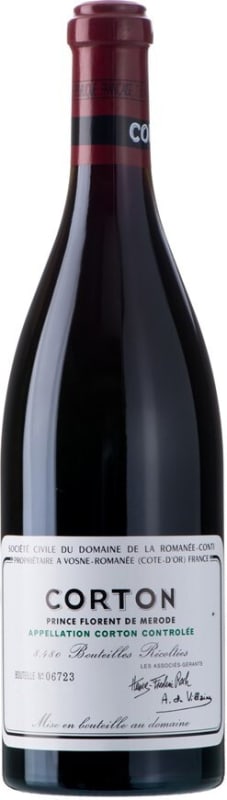


Winemaker Notes
Professional Ratings
-
Robert Parker's Wine Advocate
The 2019 Corton Grand Cru has turned out brilliantly in bottle, wafting from the glass with a striking bouquet of dark berries, blood orange, potpourri, exotic spices, cedar and peonies. Full-bodied, layered and velvety, it's deep and concentrated, with lively acids, supple tannins and a penetrating, rose-inflected finish. It's the best Corton that the Domaine de la Romanée-Conti has produced to date.
-
Decanter
With vibrant red fruit on the nose, this is pure, direct and fresh in style. The palate is smooth and deep with a hint of iron and grippiness on the palate and a subtle note of orange zest on the finish. A lovely Corton, which shows how good this grand cru can be in the right hands. The 11th vintage of DRC Corton, this is sourced from 2.27ha from an extended lease, comprising vineyards in Les Bressandes, Les Renardes and Clos du Roi. The yield was a miniscule 15hl/ha, and total production was just over 4,000 bottles.
-
Jasper Morris
The three plots continue to be vinified together. A medium deep red, lighter at the rim. There are strawberries on the nose, not quite as fresh as one might expect. Then some alpine notes bring the level up, along with some dried roses, while the oak seems a little prominent at the moment. There is good length while the ripeness of the vintage is certainly showing at the moment. I do not quite see the Corton today
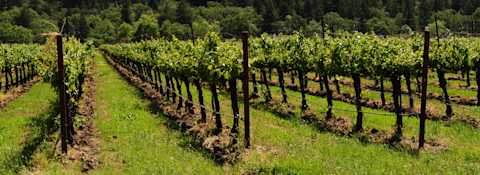
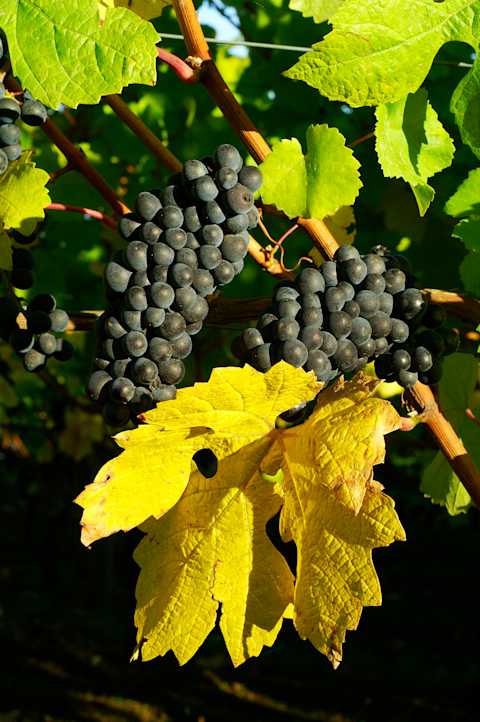
Thin-skinned, finicky and temperamental, Pinot Noir is also one of the most rewarding grapes to grow and remains a labor of love for some of the greatest vignerons in Burgundy. Fairly adaptable but highly reflective of the environment in which it is grown, Pinot Noir prefers a cool climate and requires low yields to achieve high quality. Outside of France, outstanding examples come from in Oregon, California and throughout specific locations in wine-producing world. Somm Secret—André Tchelistcheff, California’s most influential post-Prohibition winemaker decidedly stayed away from the grape, claiming “God made Cabernet. The Devil made Pinot Noir.”

Prevailing over the charming village of Aloxe, the hill of Corton actually commands the entire appellation. Corton is the only Grand Cru for Pinot Noir in the entire Côte de Beaune. Its Grand Crus red wines can be described simply as “Corton” or Corton hyphenated with other names. These vineyards cover the southeast face of the hill of Corton where soils are rich in red chalk, clay and marl.
Dense and austere when young, the best Corton Pinot Noir will peak in complexity and flavor after about a decade, offering some of the best rewards in cellaring among Côte de Beaune reds. Pommard and Volnay offer similar potential.
The great whites of the village are made within Corton-Charlemagne, a cooler, narrow band of vineyards at the top of the hill that descends west towards the village of Pernand-Vergelesses. Here the thin and white stony soils produce Chardonnay of exceptional character, power and finesse. A minimum of five years in bottle is suggested but some can be amazing long after. Fully half of Aloxe-Corton is considered Grand Cru.