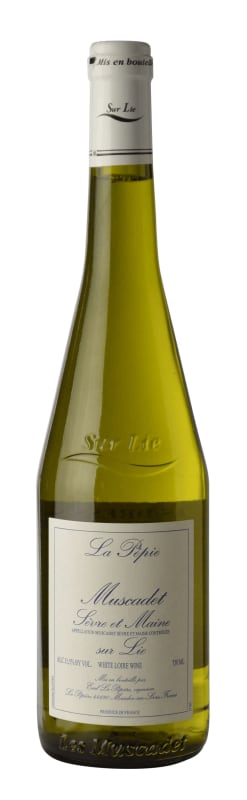


Winemaker Notes
Classic Muscadet on granite. The core of the "La Pépie" Sur Lie bottling is the 10-hectare heart of the Pépière estate, which is part of the Clisson cru in the tiny commune of Pépière near the winery; there is also a significant percentage of their cru Château Thébaud fruit typically, as well as some purchased fruit from a nearby organic farmer friend in the mix.
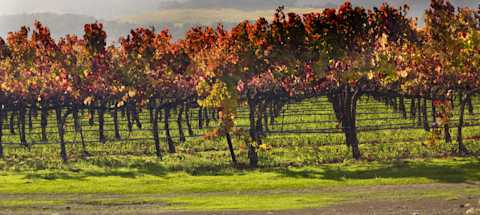
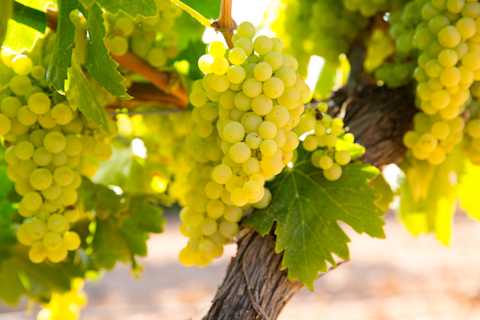
Made famous in Muscadet, a gently rolling, Atlantic-dominated countryside on the eastern edge of the Loire, Melon de Bourgogne is actually the most planted grape variety in the Loire Valley. But the best comes from Muscadet Sèvre et Maine, a subzone of Pays Nantais. Somm Secret—The wine called Muscadet may sound suggestive of “muscat,” but Melon de Bourgogne is not related. Its name also suggests origins in Burgundy, which it has, but was continuously outlawed there, like Gamay, during the 16th and 17th centuries.

The Pays Nantais, Loire’s only region abutting the Atlantic coast, is solely focused on the Melon de Bourgogne grape in its handful of subzones: Muscadet-Sèvre et Maine, Muscadet-Coteaux de la Loire and Muscadet-Côtes de Grandlieu. Muscadet wines are dry, crisp, seaside whites made from Melon de Bourgogne and are ideal for the local seafood-focused cuisine. (They are not related to Muscat.) There is a new shift in the region to make these wines with extended lees contact, creating fleshy and more aromatic versions.