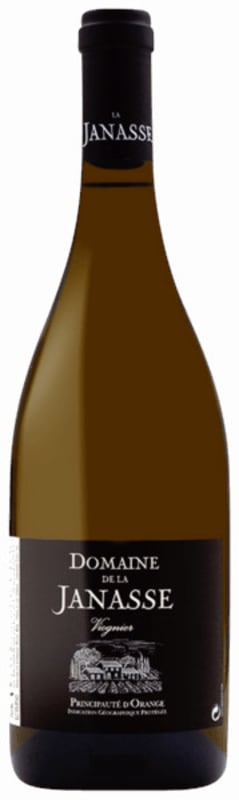


Winemaker Notes
Notes of peach, apricot and white flowers emerge from this medium-bodied, round, textured and balanced Viognier.
The Viognier from Domaine de la Janasse comes from a 2.5 hectare sandy and pebbly terroir just outside the boundaries of Châteauneuf-du-Pape in the village of Courthézon. The fruit is harvested by hand, gently pressed whole-cluster, and fermented in an oak vat. It is aged in foudres and French oak barrels, of which 25% are new each vintage.
Pairs well as an aperitif or on a salad of scallops and mesclun.
Professional Ratings
-
James Suckling
Very aromatic for a Southern Rhone white, the apricot and rose aromas pouring from the glass. This viognier has a light touch in spite of the richness and suppleness of the medium to full body. Long, gently warm finish.


What is orange wine?
“Orange wine” is the most common term in modern American culture used to describe a white wine that is made like a red wine. In other words, it is a white wine made from white grapes that ferment while in contact with their skins (rather than being pressed). You’ll also see the terms, “skin-contact wine,” or in Italian, ramato (copper-colored) to describe this style.
How is orange wine made?
In modern winemaking, to make fresh white wine, pale-skinned grapes need to be pressed immediately after harvest so that the juice can ferment free from the skins and seeds. In ancient winemaking they didn’t have presses or other fancy winery equipment so made use of the tools at hand—mainly just vats for fermenting. This skin-contact style dates back to the 6th millennium BC in what is modern day Georgia (the country). At that time, they fermented ripe white grapes together with their skins, seeds and stems in a clay amphora, called a qvevri, which were sealed and buried in underground vessels for 5-6 months.
Where does orange wine come from?
Today’s modern skin-contact winemakers pay homage to this non-interventionist style of white winemaking. Though some people dismiss it as a fad, this age-old style has been resurfacing on the global scene over the last twenty or so years. Multiple countries make it—Georgia (of course), Slovenia, Italy, the U.S. and Australia to name a few. Each country produces this style in a different way with time on skins ranging anywhere from a half a day to multiple weeks. This creates a range of results in the finished wine. The color of these wines can be golden yellow to vibrant popsicle orange.
Tasting notes for orange wine
The time on skins also adds tannins and phenols to the finished wine and skin-contact wines normally show off a bright acidity. Typical flavors and aromas include bruised apple, peach, orange rind, lemongrass, lemon balm, chamomile, juniper, ginger, exotic spice, honey, beeswax and hazelnut.
Perfect food pairings for orange wine
Because of their complexity in aromas and flavors, structure and good acidity, skin-contact wines pair with a wide variety of foods. Common pairings include cream sauces, curries, spicy foods, roasted poultry and any seafood including shellfish.

A long and narrow valley producing flavorful red, white, and rosé wines, the Rhône is bisected by the river of the same name and split into two distinct sub-regions—north and south. While a handful of grape varieties span the entire length of the Rhône valley, there are significant differences between the two zones in climate and geography as well as the style and quantity of Rhône wines produced. The Northern Rhône, with its continental climate and steep hillside vineyards, is responsible for a mere 5% or less of the greater region’s total output. The Southern Rhône has a much more Mediterranean climate, the aggressive, chilly Mistral wind and plentiful fragrant wild herbs known collectively as ‘garrigue.’
In the Northern Rhône, the only permitted red variety is Syrah, which in the appellations of St.-Joseph, Crozes-Hermitage, Hermitage, Cornas and Côte-Rôtie, it produces velvety black-fruit driven, savory, peppery red wines often with telltale notes of olive, game and smoke. Full-bodied, perfumed whites are made from Viognier in Condrieu and Château-Grillet, while elsewhere only Marsanne and Roussanne are used, with the former providing body and texture and the latter lending nervy acidity. The wines of the Southern Rhône are typically blends, with the reds often based on Grenache and balanced by Syrah, Mourvèdre, and an assortment of other varieties. All three northern white varieties are used here, as well as Grenache Blanc, Clairette, Bourbelenc and more. The best known sub-regions of the Southern Rhône are the reliable, wallet-friendly Côtes du Rhône and the esteemed Châteauneuf-du-Pape. Others include Gigondas, Vacqueyras and the rosé-only appellation Tavel.