

Winemaker Notes
Professional Ratings
-
Robert Parker's Wine Advocate
I tasted two vintages of their entry-level wine because the 2016 Pétalos del Bierzo was sold out and the 2017 has already been released. Depending on the vintage, they use more or less white grapes in the fermentation, and in 2016 it was around 6%. It has an elegant profile, clean, floral and spicy, with a soft palate and subtle acidity that gives it a kick and makes it longer. This is one of the best value wines in Spain, and 2016 is not an exception. Perhaps it won't be the longest-lived vintage, but it's drinking beautifully and gives a lot of pleasure. It's somehow reminiscent of 2013 or 2014, perhaps a tad warmer. There were a whopping 318,000 bottles and 3,000 magnums, which means they had 1,568 barrels of this wine.
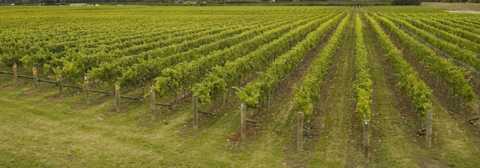
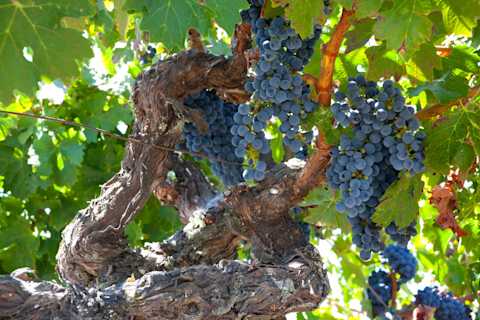
Primarily found in the Bierzo, Ribeira Sacra and Valdeorras regions of Spain and in the Dão of Portugal (where it is called Jaen), Mencia is an early ripening, low acid grape that can produce wines of great concentration, complexity and ageability. And yet Mencia once suffered from a poor reputation and deemed capable of producing simple and light red wines. Post-phylloxera growers would grow this variety on low, fertile plains, which produced high yields and uncomplicated finished wines. Somm Secret—The recent rediscovery of the ancient, abandoned vines planted on rugged hillsides of deep schist has unveiled the potential of Mencia and added discredit to its old reputation.
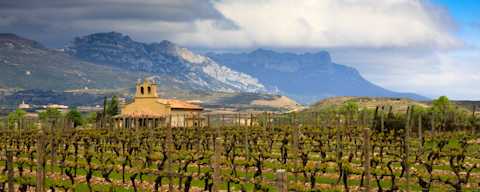
One of the few northwestern Spanish regions with a focus on a red variety, Bierzo, part of Castilla y León, is home to the flowery and fruity Mencia grape. Mencia produces balanced and bright red wines full of strawberry, raspberry, pomegranate, baking spice, pepper and black licorice. The well-drained soils of Bierzo are slate and granite.