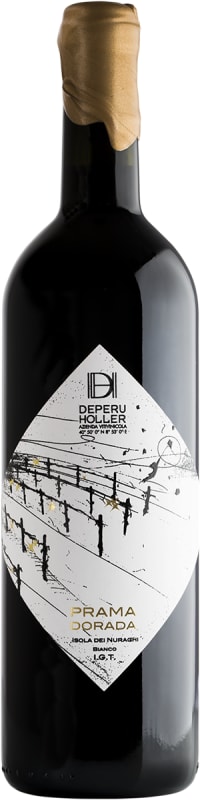


Winemaker Notes
Full yellow with shiny nuances of topaz. Varietal aromas of white-fleshed summer fruit without exotic overtones. Hints that evolve and reward during the tasting with gentle almond, honey and chlorophyll notes in a bouquet of great finesse. Enveloping, soft, warm which balances out with a slightly sapid, harmonious and well-structured, it leaves a light almond aftertaste.
Pair with elaborate appetizers of seafood cuisine, artisan raw ham, savory and even spicy first courses, flowery rind and blue cheeses.
Blend: 75% Vermentino, 20% Moscato & Malvasia, 5% Arvesiniadu & Nasco

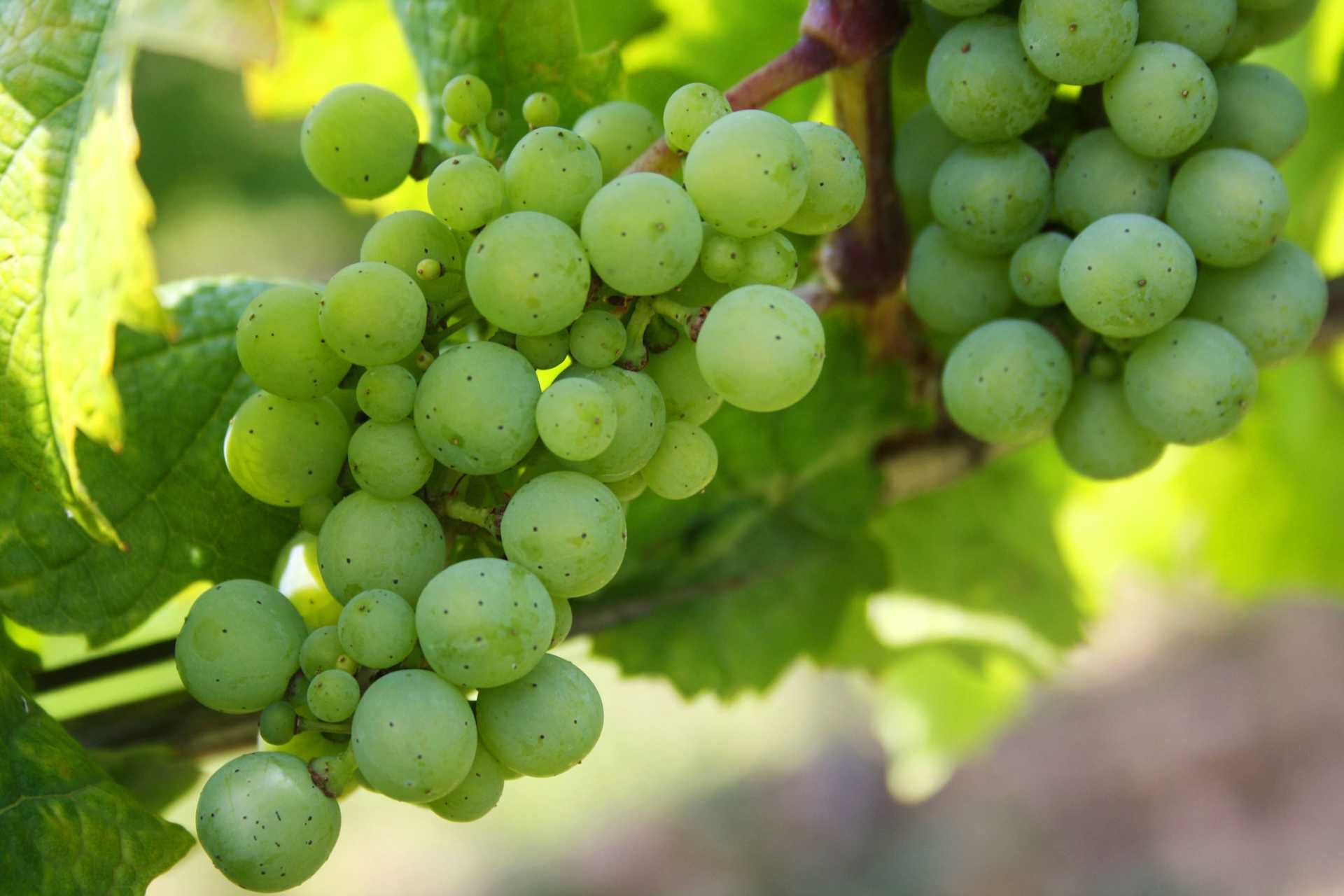
With hundreds of white grape varieties to choose from, winemakers have the freedom to create a virtually endless assortment of blended white wines. In many European regions, strict laws are in place determining the set of varieties that may be used in white wine blends, but in the New World, experimentation is permitted and encouraged. Blending can be utilized to enhance balance or create complexity, lending different layers of flavors and aromas. For example, a variety that creates a soft and full-bodied white wine blend, like Chardonnay, would do well combined with one that is more fragrant and naturally high in acidity. Sometimes small amounts of a particular variety are added to boost color or aromatics. Blending can take place before or after fermentation, with the latter, more popular option giving more control to the winemaker over the final qualities of the wine.

Hailed for centuries as a Mediterranean vine-growing paradise, multiple cultures over many centuries have ruled the large island of Sardinia. Set in the middle of the Tyrrhenian Sea, the Phonoecians, Ancient Rome, and subsequently the Byzantines, Arabs and Catalans have all staked a claim on the island at some point in history. Along the way, these inhabitants transported many of their homeland’s prized vines and today Sardinia’s modern-day indigenous grape varieties claim multiple origins. Sardinia’s most important red grapes—namely Cannonau (a synonym for Grenache) and Carignan—are actually of Spanish origin.
Vermentino, a prolific Mediterranean variety, is the island’s star white. Vermentino has a stronghold the Languedoc region of France as well as Italy’s western and coastal regions, namely Liguria (where it is called Pigato), Piedmont (where it is called Favorita) and in Tuscany, where it goes by the name, Vermentino. The best Vermentino, in arguably all of the Mediterranean, grows in Sardinia's northeastern region of Gallura where its vines struggle to dig roots deep down into north-facing slopes of granitic soils. These Vermentino vines produce highly aromatic, full and concentrated whites of unparalleled balance.
Today aside from its dedication to viticulture, Sardinia remains committed to maintaining its natural farmlands, bucolic plains of grazing sheep and perhaps most of all, its sandy, sunny, Mediterranean beaches.