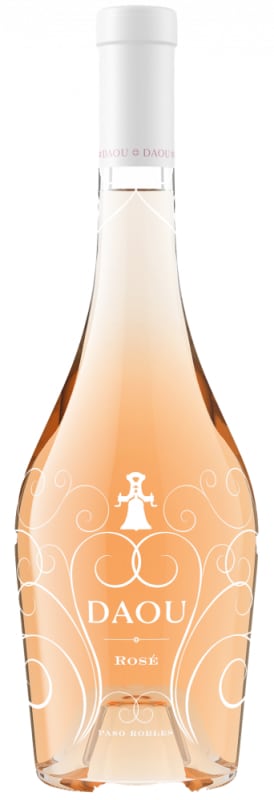


Winemaker Notes
Made from Grenache grapes in the classic Provençale style, this Rosé presents a pale flamingo-apricot hue and a fragrant, floral nose. Aromas of freshly sliced peaches, hibiscus and hyacinth reveal accents of nectarine and orange zest. Hints of honeysuckle, orange blossom, crushed rose petal and pineapple round out the enticing bouquet. The palate is exceptionally clean and refreshing, with flavors of peach, mango, apricot, and honeydew melon accompanied by notes of lemon chiffon, apricot, papaya and kiwi. A long, luxuriant finish lingers with juicy essences of peach, strawberry and cherry.
Professional Ratings
-
Wine Enthusiast
Soft strawberry and watermelon aromas are cut by tangerine peel on the nose of this bottling. The palate has earthy tones of wet rocks and chalk, with well-integrated acidity pumping into the finish.
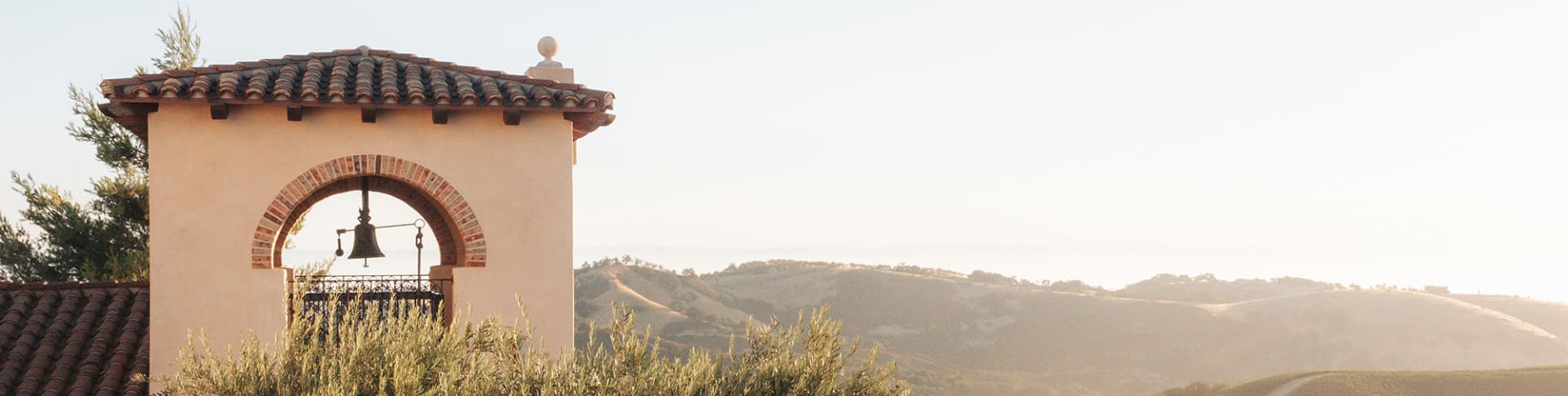




Brothers Georges Daou and Daniel Daou set forth across the globe to find an unrivaled terroir for producing Cabernet Sauvignon, a quest that led them to a place of foretold greatness: DAOU Mountain in the Adelaida District of Paso Robles. DAOU Family Estates is a family owned and operated winery committed to producing collectible, world-class wine to rival the most respected appellations. Situated on a 212-acre hilltop estate in the Adelaida District of Paso Robles, this remarkable mountain was once described by André Tchelistcheff, legendary winemaking authority, as “a jewel of ecological elements.”
DAOU Mountain stands alone at an elevation of 2,200 feet, rising from the heart of the Adelaida District in the rugged coastal range west of Paso Robles. The steep slopes here reach up to 56 percent, with uniform exposure to the elements across the estate. It is a terroir of power, purity and symmetry, with every natural asset necessary to pursue the perfect Cabernet Sauvignon—including calcareous clay soils that emulate Bordeaux’s Right Bank and a climate that mirrors St. Helena.
There is a power within this Mountain they call home. It is a power that can turn mere raindrops and roots into extraordinary wines—and into lasting relationships—that will endure for decades. Everyday the winery strives to create an experience as beautiful as these wines, ensuring that everyone feels like family. There is nothing more important than human connection.

Whether it’s playful and fun or savory and serious, most rosé today is not your grandmother’s White Zinfandel, though that category remains strong. Pink wine has recently become quite trendy, and this time around it’s commonly quite dry. Since the pigment in red wines comes from keeping fermenting juice in contact with the grape skins for an extended period, it follows that a pink wine can be made using just a brief period of skin contact—usually just a couple of days. The resulting color depends on grape variety and winemaking style, ranging from pale salmon to deep magenta.

Paso Robles has made a name for itself as a source of supple, powerful, fruit-driven Central Coast wines. But with eleven smaller sub-AVAs, there is actually quite a bit of diversity to be found in this inland portion of California’s Central Coast.
Just east over the Santa Lucia Mountains from the chilly Pacific Ocean, lie the coolest in the region: Adelaida, Templeton Gap and (Paso Robles) Willow Creek Districts, as well as York Mountain AVA and Santa Margarita Ranch. These all experience more ocean fog, wind and precipitation compared to the rest of the Paso sub-appellations. The San Miguel, (Paso Robles) Estrella, (Paso Robles) Geneso, (Paso Robles) Highlands, El Pomar and Creston Districts, along with San Juan Creek, are the hotter, more western appellations of the greater Paso Robles AVA.
This is mostly red wine country, with Cabernet Sauvignon and Zinfandel standing out as the star performers. Other popular varieties include Merlot, Petite Sirah, Petit Verdot, Syrah, Grenache and Rhône blends, both red and white. There is a fairly uniform tendency here towards wines that are unapologetically bold and opulently fruit-driven, albeit with a surprising amount of acidity thanks to the region’s chilly nighttime temperatures.