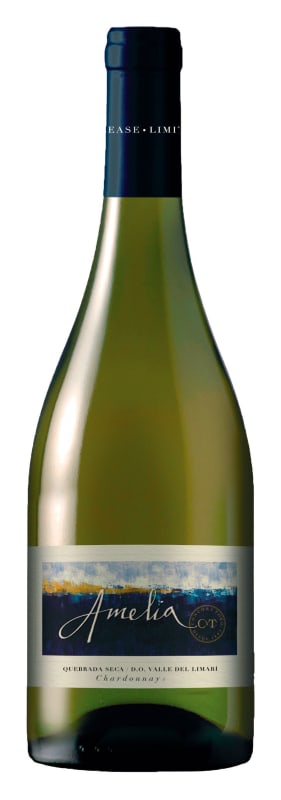


Winemaker Notes
#74 Wine Spectator Top 100 of 2026
Clean, clear and bright pale-yellow color. This is a complex, layered wine with standout minerality, white flowers, pear and flinty notes. The structure from the red clay works very well with the minerality of the soil. The palate is ethereal, fine and tense, with good persistence and the saline that is a hallmark of its origin.
Pairs well with fish and shellfish as well as creamy cheeses such as Brie and Camembert.
Professional Ratings
-
Robert Parker's Wine Advocate
Routinely one of a handful of benchmark Chilean Chardonnays, the 2024 Chardonnay is a superb wine that marks the first iteration of Amelia presented as its own brand. It opens with a beautifully layered, lifted and refined bouquet of honeycomb, fennel, jasmine and marine overtones, all woven together with notable harmony and increasing volume with aeration. The palate presents a similar combination of density and vibrancy, with a suave, dense and focused mouthfeel underpinned by racy acids and a firm, chalky core that pulses through the saline finish. As usual, this was vinified with limited bâtonnage and use of new barrels, and it did not undergo malolactic conversion.
-
Wine Enthusiast
From the emerging Limarí Valley comes this elegant Chardonnay. Chalky aromas blend with chamomile flowers on the nose. There is a feeling of balanced tension across the full-bodied palate, with nice acidity adding depth and lifting spices, floral, and citrus flavors.
-
Wine Spectator
Engaging and expressive, this white shows a complex mix of sweet pea and wildflower honey, with notes of clove and almond shortbread that meld into a generous and succulent core of baked apple, brûléed pineapple and Meyer lemon, while a thread of minerality extends the finish, adding a flash of toasted sesame seed. Drink now through 2036.
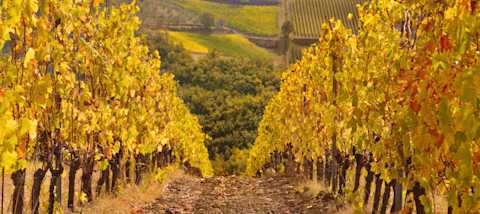




Founded in 1883, Vina Concha y Toro is Latin America's leading producer and occupies an outstanding position among the world’s most important wine companies, currently exporting to 135 countries worldwide. Uniquely, it owns around 9,500 hectares of prime vineyards, which allows the company to secure the highest quality grapes for its wine production. Concha y Toro's portfolio includes a wide range of successful brands at every price point, from the top of the range Don Melchor and Almaviva to the flagship brand Casillero del Diablo and innovative stand-alone brands such as Palo Alto and Maycas del Limarí. The company has 3,162 employees and is headquartered in Santiago, Chile.
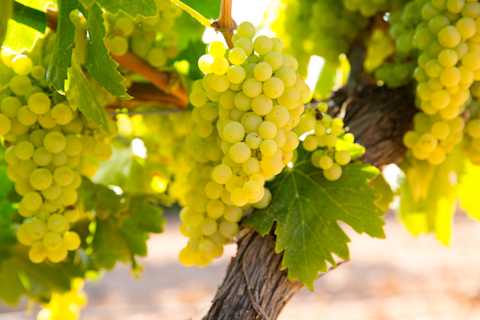
One of the most popular and versatile white wine grapes, Chardonnay offers a wide range of flavors and styles depending on where it is grown and how it is made. While it tends to flourish in most environments, Chardonnay from its Burgundian homeland produces some of the most remarkable and longest lived examples. California produces both oaky, buttery styles and leaner, European-inspired wines. Somm Secret—The Burgundian subregion of Chablis, while typically using older oak barrels, produces a bright style similar to the unoaked style. Anyone who doesn't like oaky Chardonnay would likely enjoy Chablis.

Part of the Coquimbo region and a key location for pisco production, the Limari Valley is one of the northern most wine producing regions of Chile. The other two, also part of Coquimbo, are the Elqui and less-developed Choapa Valleys. While more vineyard area is dedicated to pisco production (via the grapes of Muscat of Alexandria, Pedro Jimenez, Moscatel de Asturia and Torontel), the acreage under vine for still wine production has increased. The intense sunlight in the Limari Valley, coupled with little rainfall as well as the cooling effect of the Humboldt Current from the Pacifc Ocean, all make the area ideal for cool climate grapes like Chardonnay and Pinot noir.