


Winemaker Notes
Aromatically, this wine is layered with generous fruit notes of cherry, blackberry, and red plum. As the wine opens, hints of jasmine, cardamom, and warm savory spices emerge from the glass. There is a solid, chalky structure that runs the length of the palate, forming the backbone of this delicious, complex wine. Vibrant acidity, red fruit, and soft barrel toast dance across the palate with a lighthearted, playful energy.
Professional Ratings
-
James Suckling
Delicate aromas of flowers, piney botancials and bright red fruit. Savory herbal undertones with chalk, mineral and juicy red fruit flavors and some black fruit and Earl Grey tea in the finish. A medium body framed by chalky tannins. Drink or hold.
-
Wine Enthusiast
A roller coaster ride of aromas begins with a sweet-tart swing of cranberry muffins and raspberry pastilles. Then, an earthy turn reveals the aromas of fresh-tilled soil and meadow flowers. The wine's crunchy acidity outpaces the velvety tannins, providing a bit of juice to flavors of dark raspberries, white tea, molasses and salty water crackers. This texture is so crisp that you can almost hear it snap.
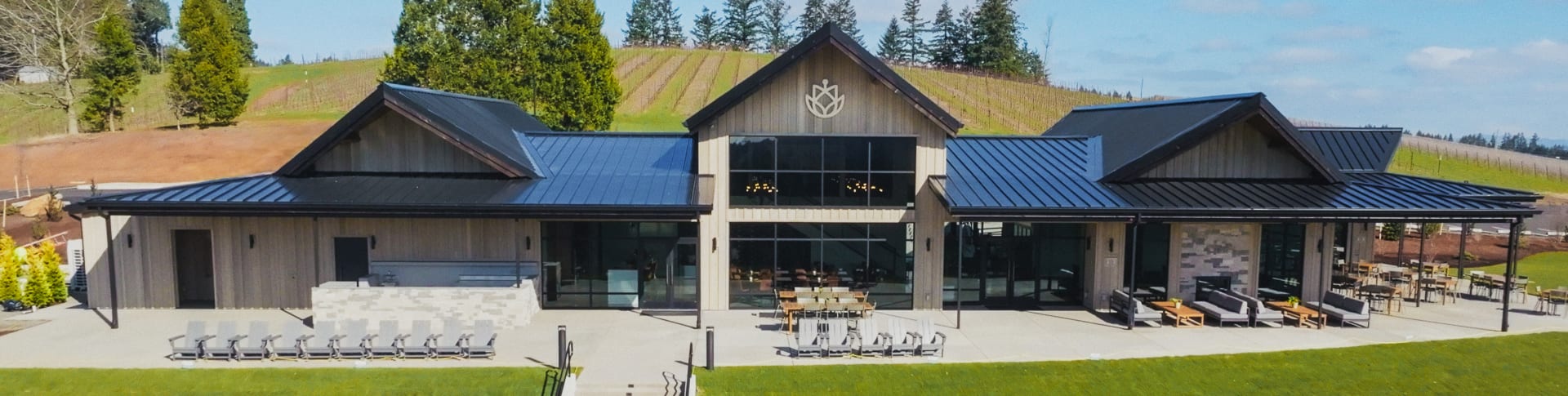


Chehalem is considered a vineyard winery, aiming to reflect what the vineyard has produced, purely, with minimal processing and without compromising great fruit. Their name, Chehalem, translates to Valley of Flowers in the Native American language, Calapooia. It’s their goal to follow the example set centuries ago: to treat the land with great care and to continue the mission of creating a sustainable future.
Their story starts in 1990 with the inaugural Pinot Noir harvest at Ridgecrest Vineyard. As those wines were releasing in 1993, Bill Stoller joined as co-owner. He subsequently purchased his family farmlands at the southern tip of the Dundee with the vision of planting it as our second estate vineyard.
In 1995, they purchased Corral Creek, the vineyard surrounding the winery. It became the third estate vineyard.
In early 2018, Bill became the sole owner of Chehalem, and by July, they had become the sixth Oregon winery to achieve B Corp status. This rigorous certification assesses companies to ensure they meet the highest standard of verified social and environmental performance, public transparency, and legal accountability.

Thin-skinned, finicky and temperamental, Pinot Noir is also one of the most rewarding grapes to grow and remains a labor of love for some of the greatest vignerons in Burgundy. Fairly adaptable but highly reflective of the environment in which it is grown, Pinot Noir prefers a cool climate and requires low yields to achieve high quality. Outside of France, outstanding examples come from in Oregon, California and throughout specific locations in wine-producing world. Somm Secret—André Tchelistcheff, California’s most influential post-Prohibition winemaker decidedly stayed away from the grape, claiming “God made Cabernet. The Devil made Pinot Noir.”

The Chehalem Mountains is a northwest-southeast span of several distinct mountains, ridges and peaks in the northern part of the Willamette Valley. Of all of Willamette Valley's smaller AVAs, it is closest to the city of Portland. Its highest summit, Bald Peak at an elevation of 1,633 feet, serves to generate cooler air for the rest of the AVA and its hillside vineyards. The region covers 70,000 acres but only 1,600 acres are planted to vines; soils of the Chehalem Mountains are a mix of basalt, ocean sediment and loess.