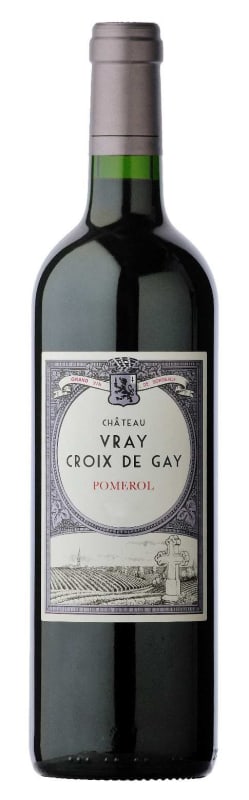


Winemaker Notes
Blend: 75% Merlot, 25% Cabernet Franc
Professional Ratings
-
Decanter
This is juicy, measured, full of life and has striking fruit, vibrant with a crushed mint finish. From the first moments it shows a freshness and a momentum that gives the abundant tannins a flexibility. Biodynamic farming here. New owners Suravenir Assurance of Calon Ségur, but still Penelope Godefroy as technical director.
-
Vinous
The 2020 Vray Croix de Gay has developed into a gorgeous, exotic Pomerol. Super-ripe red fruit, blood orange, mint, spice and cedar all come together effortlessly. This racy, layered Pomerol is stylish and classy to the core. The 2020 offers a bit more depth than some recent vintages, but that works to its advantage. Ripe, silky tannins wrap around the soft, textured finish.
-
James Suckling
This is dark-fruited with spices, walnut, pine cones and dried herbs. Medium-bodied with polished texture and fine-grained tannins. Silky with a delicate blue fruit and chocolatey character. From organically grown grapes. Try from 2025.
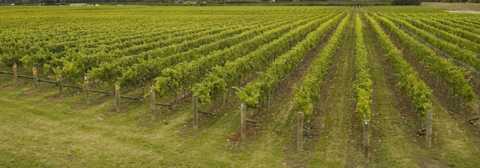

One of the world’s most classic and popular styles of red wine, Bordeaux-inspired blends have spread from their homeland in France to nearly every corner of the New World. Typically based on either Cabernet Sauvignon or Merlot and supported by Cabernet Franc, Malbec and Petit Verdot, the best of these are densely hued, fragrant, full of fruit and boast a structure that begs for cellar time. Somm Secret—Blends from Bordeaux are generally earthier compared to those from the New World, which tend to be fruit-dominant.

A source of exceptionally sensual and glamorous red wines, Pomerol is actually a rather small appellation in an unassuming countryside. It sits on a plateau immediately northeast of the city of Libourne on the right bank of the Dordogne River. Pomerol and St-Émilion are the stars of what is referred to as Right Bank Bordeaux: Merlot-dominant red blends completed by various amounts of Cabernet Franc or Cabernet Sauvignon. While Pomerol has no official classification system, its best wines are some of the world’s most sought after.
Historically Pomerol attached itself to the larger and more picturesque neighboring region of St-Émilion until the late 1800s when discerning French consumers began to recognize the quality and distinction of Pomerol on its own. Its popularity spread to northern Europe in the early 1900s.
After some notable vintages of the 1940s, the Pomerol producer, Petrus, began to achieve great international attention and brought widespread recognition to the appellation. Its subsequent distribution by the successful Libourne merchant, Jean-Pierre Mouiex, magnified Pomerol's fame after the Second World War.
Perfect for Merlot, the soils of Pomerol—clay on top of well-drained subsoil—help to create wines capable of displaying an unprecedented concentration of color and flavor.
The best Pomerol wines will be intensely hued, with qualities of fresh wild berries, dried fig or concentrated black plum preserves. Aromas may be of forest floor, sifted cocoa powder, anise, exotic spice or toasted sugar and will have a silky, smooth but intense texture.