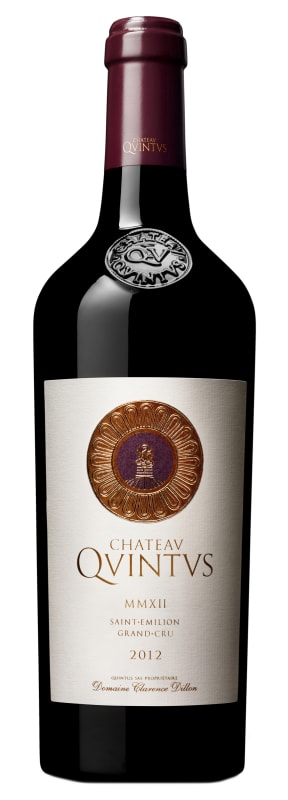


Winemaker Notes
This wine has a tightly-knit tannic texture and a beautiful, long, aromatic aftertaste. It is fruity, spicy and oaky (the oakiness is normal at this early stage). 2012 Quintus starts out quite smooth on the palate, going on to show ripe fruit and a freshness that might be referred to as mineral which is very typical of the terroir. While 2011 Quintus can be considered a tremendously charming vintage, this 2012 is a more serious wine. Made from a very small crop, it has the potential to become a great Saint-Emilion.
Professional Ratings
-
James Suckling
Very subtle and refined with blueberries, chocolate and hints of spices. Full body, fine tannins and a fresh finish. Very, very fine. Very, very delicious, too!
-
Robert Parker's Wine Advocate
The 2012 Quintus has a rich and fleshy bouquet with upfront, expressive red fruit with vanilla and liquorice aromas. The palate is medium-bodied with lower acidity than its peers, just a tad smudged on the finish but with greater persistence than either Péby-Faugères and Canon-la-Gaffelière. Tasted twice with consistent notes, the second perhaps just a little drier than the first. Tasted blind at the Southwold Ten-Year On tasting.
-
Vinous
Deep, pliant and resonant, the 2012 Quintus offers lovely depth and fine overall balance. The flavors are dark and nicely layered. Menthol, leather and spice flesh out as the wine shows off its ample, broad personality. The 2012 should drink well for the next 15-20 years. Needless to say, it will be interesting to see what the Dillon family can achieve here in the coming years and decades.
-
Wine Spectator
Briar, black currant and licorice root notes form the core, with good energy to the briary grip. A tobacco lining runs through the finish. Shows good length and cut overall.
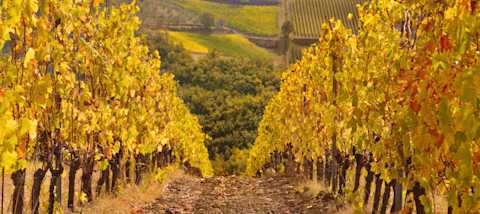

One of the world’s most classic and popular styles of red wine, Bordeaux-inspired blends have spread from their homeland in France to nearly every corner of the New World. Typically based on either Cabernet Sauvignon or Merlot and supported by Cabernet Franc, Malbec and Petit Verdot, the best of these are densely hued, fragrant, full of fruit and boast a structure that begs for cellar time. Somm Secret—Blends from Bordeaux are generally earthier compared to those from the New World, which tend to be fruit-dominant.

Marked by its historic fortified village—perhaps the prettiest in all of Bordeaux, the St-Émilion appellation, along with its neighboring village of Pomerol, are leaders in quality on the Right Bank of Bordeaux. These Merlot-dominant red wines (complemented by various amounts of Cabernet Franc and/or Cabernet Sauvignon) remain some of the most admired and collected wines of the world.
St-Émilion has the longest history in wine production in Bordeaux—longer than the Left Bank—dating back to an 8th century monk named Saint Émilion who became a hermit in one of the many limestone caves scattered throughout the area.
Today St-Émilion is made up of hundreds of independent farmers dedicated to the same thing: growing Merlot and Cabernet Franc (and tiny amounts of Cabernet Sauvignon). While always roughly the same blend, the wines of St-Émilion vary considerably depending on the soil upon which they are grown—and the soils do vary considerably throughout the region.
The chateaux with the highest classification (Premier Grand Cru Classés) are on gravel-rich soils or steep, clay-limestone hillsides. There are only four given the highest rank, called Premier Grand Cru Classés A (Chateau Cheval Blanc, Ausone, Angélus, Pavie) and 14 are Premier Grand Cru Classés B. Much of the rest of the vineyards in the appellation are on flatter land where the soils are a mix of gravel, sand and alluvial matter.
Great wines from St-Émilion will be deep in color, and might have characteristics of blackberry liqueur, black raspberry, licorice, chocolate, grilled meat, earth or truffles. They will be bold, layered and lush.