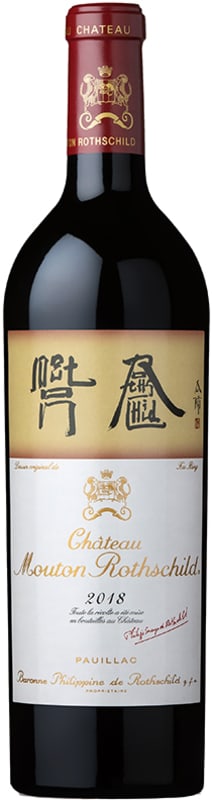


Winemaker Notes
The wine has an intense, deep black color. The nose reveals intense ripe fruit aromas and nutmeg notes, set off by touches of mint. The ample, full and refined attack opens on blackberry and cherry flavors lifted by a hint of spice. Generous, creamy and well-rounded tannins underpin candied flavors, giving an overall impression of succulence. Great balance between the fruit and the tannins paves the way for a highly refined and exceptionally long finish.
Blend: 86% Cabernet Sauvignon, 12% Merlot, 2% Cabernet Franc
Final label art has not yet been revealed by the Chateau.
Professional Ratings
-
Decanter
This has so much tannic power, with density, layers and structure along with layers of blackberry, liquorice, baked earth, cigar box and the signature exotic spices of Mouton. A big, textured and complex wine that is taking it all in its stride. 100% new oak. There is the tiniest touch of Petit Verdot in the blend, but under 1%, so it’s not in the official figures. 62% of production went into the grand vin. Drinking Window 2028 - 2050
-
James Suckling
Exquisite purity of blackcurrants, raspberries and some citrus. The aromas flow from the glass. Full-bodied with seamless tannins that coat the palate and then fall into the center, to deliver a thoroughly refined and harmonious young red. Endless finish. 86% cabernet sauvignon. This is the new 1959, one of the legendary vintages of Mouton. Try after 2026.
-
Robert Parker's Wine Advocate
A barrel sample, it was fascinating to take another look at the 2018 Mouton Rothschild, after having spent six more months in cask since I last tasted it. Deep garnet-purple, it maintains a jaw-droppingly profound nose of crème de cassis, mocha, plum preserves, licorice and Black Forest cake with touches of iron ore, Sichuan pepper, allspice and tilled soil. Full-bodied, super concentrated and possessing layer upon layer of black fruits, exotic spices and fragrant earth-inspired flavors, it has a rock-solid, firm, grainy texture with fantastic freshness and incredible length. Rating: 97-99+
-
Wine Enthusiast
Dense structure, powerful tannins and intense black fruits are contained within this wine that shows richness and sustained concentration as well as amazing freshness. The 86% Cabernet Sauvignon in the blend is the secret of this great wine that is sure to age magnificently. Don’t think about drinking before 2029.
-
Wine Spectator
This large-scaled wine is brimming with cassis and distilled plum fruit that’s remarkably pure, focused and driven in feel, supported by a seamless, iron-clad and remarkably polished structure, doing its job without detracting from the fruit. Add in sparkles of savory, racy floral and sanguine accents, as well as some pretty ridiculous length, and you have another battleship of a wine in the making. Cabernet Sauvignon, Merlot and Petit Verdot. Best from 2030 through 2050.
-
Jeb Dunnuck
Coming from a selection of 76% of the total production, the 2018 Château Mouton Rothschild checks in as 86% Cabernet Sauvignon, 12% Merlot, and the rest Cabernet Franc that was brought up all in new French oak. This dense purple-hued effort has a backward, primordial bouquet of pure crème de cassis, scorched earth, burning embers, and graphite. There are hints of classic Pauillac tobacco and lead pencil, but it's locked and loaded at this point. Full-bodied, beautifully concentrated, and flawlessly balanced on the palate, it has lots of tannin's, a good spine of acidity, and a great finish. It doesn't have the sexy opulence of the 2015 and 2016 yet has more minerality, and I suspect it's every bit as concentrated. A solid decade of bottle age is going to be warranted, and this powerful, concentrated Mouton is going to evolve for longer than most of us reading this will be alive. Rating : 97+
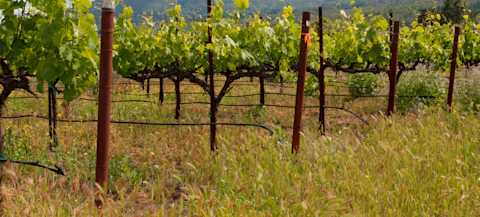

One of the world’s most classic and popular styles of red wine, Bordeaux-inspired blends have spread from their homeland in France to nearly every corner of the New World. Typically based on either Cabernet Sauvignon or Merlot and supported by Cabernet Franc, Malbec and Petit Verdot, the best of these are densely hued, fragrant, full of fruit and boast a structure that begs for cellar time. Somm Secret—Blends from Bordeaux are generally earthier compared to those from the New World, which tend to be fruit-dominant.

The leader on the Left Bank in number of first growth classified producers within its boundaries, Pauillac has more than any of the other appellations, at three of the five. Chateau Lafite Rothschild and Mouton Rothschild border St. Estephe on its northern end and Chateau Latour is at Pauillac’s southern end, bordering St. Julien.
While the first growths are certainly some of the better producers of the Left Bank, today they often compete with some of the “lower ranked” producers (second, third, fourth, fifth growth) in quality and value. The Left Bank of Bordeaux subscribes to an arguably outdated method of classification that goes back to 1855. The finest chateaux in that year were judged on the basis of reputation and trading price; changes in rank since then have been miniscule at best. Today producers such as Chateau Pontet-Canet, Chateau Grand Puy-Lacoste, Chateau Lynch-Bages, among others (all fifth growth) offer some of the most outstanding wines in all of Bordeaux.
Defining characteristics of fine wines from Pauillac (i.e. Cabernet-based Bordeaux Blends) include inky and juicy blackcurrant, cedar or cigar box and plush or chalky tannins.
Layers of gravel in the Pauillac region are key to its wines’ character and quality. The layers offer excellent drainage in the relatively flat topography of the region allowing water to run off into “jalles” or streams, which subsequently flow off into the Gironde.