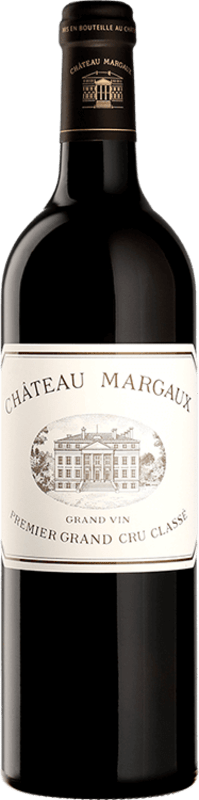


Winemaker Notes
Professional Ratings
-
Vinous
The 2023 Château Margaux is fabulous. Sensual, silky and exceptionally polished, the 2023 Château Margaux is shaping up to be a classic. Seamless, silky tannins wrap around a core of dark red/purplish fruit. Hints of spice, new leather, menthol, licorice and rose petal fill out the glass. There's a bit of new oak peeking through today, but that won't be an issue in a few years' time. Only Bordeaux can produce wines that offer so much flavor intensity at a low alcohols. Margaux is the least showy of the First Growths, but it is often the most refined. The 2023 is sublime. –Antonio Galloni
Barrel Sample: 97-100 -
Jeb Dunnuck
The Grand Vin 2023 Château Margaux is based on 89% Cabernet Sauvignon, 5% Merlot, 4% Petit Verdot, and 2% Cabernet Franc and was aged 21 months in 100% new French oak. Deep purple-hued and opaque, it offers sensational aromatics of crème de cassis, mulberries, flowery incense, blue fruits, graphite, and smoky tobacco on the nose. It's full-bodied on the palate and has a broad, layered, seamless mouthfeel, ripe tannins, and a gorgeous finish. It's not far off the style of the 2020 and is shockingly good! Will it shut down? Time will tell, but this is a sensational effort that deserves a solid decade of bottle age.
-
James Suckling
Blackberries and red currants with baking spices and dried flowers. Full-bodied and dense, showing solid, crunchy, powdery tannins that give the wine great depth and intensity. Remains polished and integrated. Very tight and savory at the end. A blend of 89% cabernet sauvignon, 5% merlot, 4% cabernet franc and 2% petit verdot.
-
Decanter
Quite a herbal nose, full of blackcurrant leaf and bramble fruit, dark chocolate, violets - subtle, not shouting, but interesting. Round and ripe, a nice weight in the mouth, silky, but also like crushed velvet, mouthwatering acidity, so juicy and clean, a lovely texture in the mouth. Not chewy at all, but there’s depth here, a cushioning to the palate with incredible juiciness. Charming, gentle yet lively. It's is just so appealing but this will benefit from oak ageing too. Carefully made, tannins are wonderful and the acidity doesn’t stick out. You also don’t sense the heat, but the fruit is ripe, with freshness all the way through. A wonderful wine in 2023. 2% Petit Verdot completes the blend with 4% Cabernet Franc, the highest percentage ever in the blend. 41% grand vin production. 3.6pH, 15% press. Officially certified organic as of 2023. Ageing 100% new oak, 18 months.
Barrel Sample: 98 -
Robert Parker's Wine Advocate
The 2023 Château Margaux unwinds in the glass with notes of sweet red and black fruits mingled with hints of violets, orange zest and petals, lavishly framed by spicy, toasty oak that is quite prominent out of the gates. Medium- to full-bodied, with a deep core of primary fruit built around bright acids and chalky structuring tannins, it's youthful and vibrant and will require a bit of patience. It's a blend of 89% Cabernet Sauvignon, 5% Merlot, 4% Cabernet Franc and 2% Petit Verdot that attained 13% alcohol, with the Cabernet Sauvignon seeing somewhat shorter than usual macerations and the inverse for Merlot.
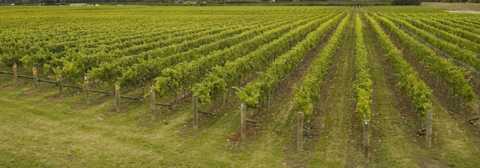

One of the world’s most classic and popular styles of red wine, Bordeaux-inspired blends have spread from their homeland in France to nearly every corner of the New World. Typically based on either Cabernet Sauvignon or Merlot and supported by Cabernet Franc, Malbec and Petit Verdot, the best of these are densely hued, fragrant, full of fruit and boast a structure that begs for cellar time. Somm Secret—Blends from Bordeaux are generally earthier compared to those from the New World, which tend to be fruit-dominant.

Silky, seductive and polished are the words that characterize the best wines from Margaux, the most inland appellation of the Médoc on the Left Bank of Bordeaux.
Margaux’s gravel soils are the thinnest of the Médoc, making them most penetrable by vine roots—some reaching down over 23 feet for water. The best sites are said to be on gentle outcrops, or croupes, where more gravel facilitates good drainage.
The Left Bank of Bordeaux subscribes to an arguably outdated method of classification but it is nonetheless important in regards to history of the area. In 1855 the finest chateaux were deemed on the basis of reputation and trading price—at that time. In 1855, Chateau Margaux achieved first growth status, yet it has been Chateau Palmer (officially third growth from the 1855 classification) that has consistently outperformed others throughout the 20th century.
Chateau Margaux in top vintages is capable of producing red Cabernet Sauvignon based wines described as pure, intense, spell-binding, refined and profound with flavors and aromas of black currant, violets, roses, orange peel, black tea and incense.
Other top producers worthy of noting include Chateau Rauzan-Ségla, Lascombes, Brane-Cantenac, and d’Issan, among others.
The best wines of Margaux combine a deep ruby color with a polished structure, concentration and an unrivaled elegance.