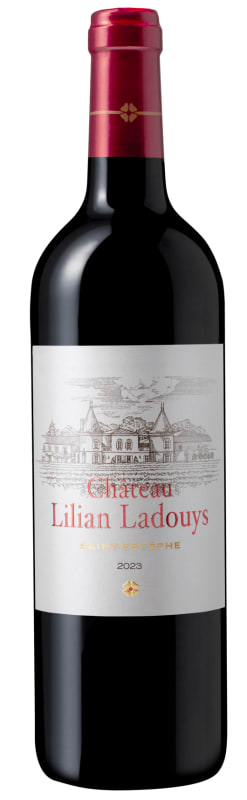


Winemaker Notes
Blend: 57% Cabernet Sauvignon, 37% Merlot, 5% Petit Verdot, 1% Cabernet Franc
Professional Ratings
-
Wine Enthusiast
This impressive wine is at the top ofits form. Balancing tannins, black-currant fruits, and afirm texture, the wine is ripe and concentrated. The darkchocolate just emphasizes the wine’s potential.
-
Decanter
Fragrant and scented on the nose, bright red fruits and some red floral notes with cool herbal markers too. Fresh and forward with crunchy and bright cranberries and creamy raspberries. A little lean and straight at this point but lots of mineral markers on the palate - wet stone, graphite, liquorice. Very saline, this ends clean and precise, balanced and all in one line. I like the easy approachability with some classicism and terroir touches. 1% Cabernet Franc completes the blend. 55hl/ha yield. Ageing 33% new oak. 3.81pH.
Barrel Sample: 93 -
James Suckling
Violets, graphite and mulberries, with a touch of licorice. The medium- to full-bodied palate has fleshy, juicy dark fruit and expansive, fine-grained and focused tannins, leading to a savory finish. A blend of 57% cabernet sauvignon, 37% merlot, 5% petit verdot and 1% cabernet franc.
-
Robert Parker's Wine Advocate
After four Merlot-dominant vintages, the 2023 Lilian Ladouys, with 57% Cabernet Sauvignon, reflects what will be the new norm for this estate as restructured parcels return to production. Offering up aromas of dark berries, lilac and licorice, it's medium-bodied, fleshy and suave, with a charming, supple profile and attractive purity and precision. Some 20% of the blend is maturing in larger 400-liter barrels.
Barrel Sample: 91-93 -
Vinous
The 2023 Lilian Ladouys is gorgeous. Bright, fruity and vibrant, the 2023 impresses with the purity of its fruit. A burst of dark red/purplish berry fruit, lavender, spice, mint and rose petal gives the 2023 a wonderful sense of sheer appeal. Over the last few years, Lilian Ladouys has been on the rise. Aging 20% of the wine in 400-liter barrels is an approach that works so well here. –Antonio Galloni
Barrel Sample: 91-93 -
Wine Spectator
Sports a generous fruit profile, with fresh blackberry and loganberry compote notes rolling over polished, fan-friendly red licorice threads. Shows a light tobacco leaf hint on the finish, but the up-front fruit holds sway easily. Ready to go. Cabernet Sauvignon, Merlot, Petit Verdot and Cabernet Franc.


One of the world’s most classic and popular styles of red wine, Bordeaux-inspired blends have spread from their homeland in France to nearly every corner of the New World. Typically based on either Cabernet Sauvignon or Merlot and supported by Cabernet Franc, Malbec and Petit Verdot, the best of these are densely hued, fragrant, full of fruit and boast a structure that begs for cellar time. Somm Secret—Blends from Bordeaux are generally earthier compared to those from the New World, which tend to be fruit-dominant.

Deeply colored, concentrated, and distinctive, St. Estephe is the go-to for great, age-worthy and reliable Bordeaux reds. Separated from Pauillac merely by a stream, St. Estephe is the farthest northwest of the highest classed villages of the Haut Medoc and is therefore subject to the most intense maritime influence of the Atlantic.
St. Estephe soils are rich in gravel like all of the best sites of the Haut Medoc but here the formation of gravel over clay creates a cooler atmosphere for its vines compared to those in the villages farther downstream. This results in delayed ripening and wines with higher acidity compared to the other villages.
While they can seem a bit austere when young, St. Estephe reds prove to live very long in the cellar. Traitionally dominated by Cabernet Sauvignon, many producers now add a significant proportion of Merlot to the blend, which will soften any sharp edges of the more tannic, Cabernet.
The St. Estephe village contains two second growths, Chateau Montrose and Cos d’Estournel.