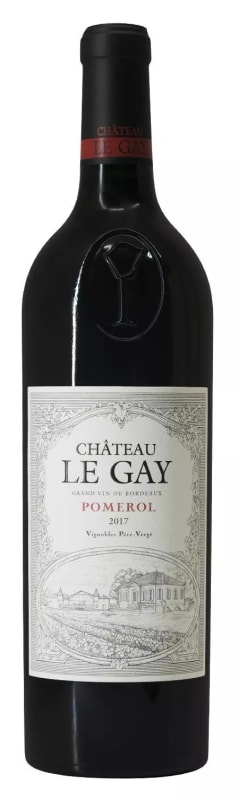


Winemaker Notes
Professional Ratings
-
James Suckling
Juicy, soft and velvety on the palate with plenty of brambleberry character. Full body. Round, creamy tannins and flavorful finish.
-
Wine Spectator
A whiff of mocha curls around the plum, blackberry and boysenberry compote flavors, while ganache, roasted apple wood and graphite details course through the finish. Shows lots of range and depth. Merlot and Cabernet Franc. Best from 2022 through 2038.
-
Vinous
The 2017 Le Gay is a dense, dark and powerful wine, with real potential. Inky dark fruit, chocolate, new oak, spice, violet and menthol infuse the 2017 with layers of dimension. Le Gay marries intensity, richness and energy so well. The style is decidedly full-throttle, but all the elements come together well. Readers should expect a potent, heady Pomerol.
-
Robert Parker's Wine Advocate
Medium to deep garnet-purple colored,the 2017 Le Gay offers a very serious, classic notes of plum preserves, mulberries and baked black cherries with hints of tilled soil, cloves, cedar chest and tobacco. Medium to full-bodied, the palate has firm, grippy tannins and plenty of muscular fruit, finishing on a stewed tea note.
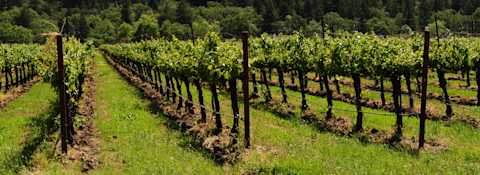

One of the world’s most classic and popular styles of red wine, Bordeaux-inspired blends have spread from their homeland in France to nearly every corner of the New World. Typically based on either Cabernet Sauvignon or Merlot and supported by Cabernet Franc, Malbec and Petit Verdot, the best of these are densely hued, fragrant, full of fruit and boast a structure that begs for cellar time. Somm Secret—Blends from Bordeaux are generally earthier compared to those from the New World, which tend to be fruit-dominant.

A source of exceptionally sensual and glamorous red wines, Pomerol is actually a rather small appellation in an unassuming countryside. It sits on a plateau immediately northeast of the city of Libourne on the right bank of the Dordogne River. Pomerol and St-Émilion are the stars of what is referred to as Right Bank Bordeaux: Merlot-dominant red blends completed by various amounts of Cabernet Franc or Cabernet Sauvignon. While Pomerol has no official classification system, its best wines are some of the world’s most sought after.
Historically Pomerol attached itself to the larger and more picturesque neighboring region of St-Émilion until the late 1800s when discerning French consumers began to recognize the quality and distinction of Pomerol on its own. Its popularity spread to northern Europe in the early 1900s.
After some notable vintages of the 1940s, the Pomerol producer, Petrus, began to achieve great international attention and brought widespread recognition to the appellation. Its subsequent distribution by the successful Libourne merchant, Jean-Pierre Mouiex, magnified Pomerol's fame after the Second World War.
Perfect for Merlot, the soils of Pomerol—clay on top of well-drained subsoil—help to create wines capable of displaying an unprecedented concentration of color and flavor.
The best Pomerol wines will be intensely hued, with qualities of fresh wild berries, dried fig or concentrated black plum preserves. Aromas may be of forest floor, sifted cocoa powder, anise, exotic spice or toasted sugar and will have a silky, smooth but intense texture.