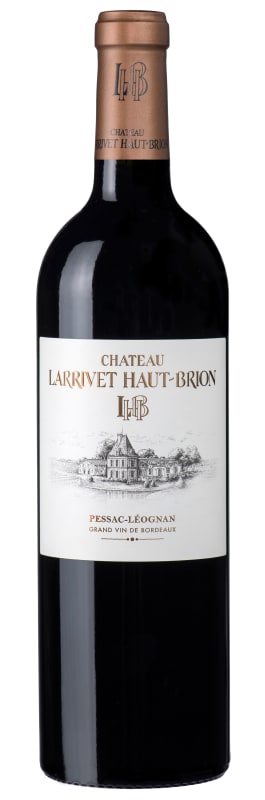


Winemaker Notes
On the nose, lots of brightness and notes of crushed black fruit, licorice. Slightly candied and very dense. On the palate there is a full attack. Powerful without being aggressive and ripe tannins. The aromatic range on the nose is repeated on the palate.
Blend: 75% Cabernet Sauvignon, 20% Cabernet Franc, 5% Merlot
Professional Ratings
-
James Suckling
A complex nose of tobacco, wet leaves, elderberries, thyme and eucalyptus. The medium- to full-bodied palate shows delineated dark fruit with a smoky, saline and savory mineral profile, leading to a focused, precise finish. A blend of 75% cabernet sauvignon, 20% cabernet franc and 5% merlot. Needs to soften, but drinkable now with some aeration.
-
Vinous
A complex nose of tobacco, wet leaves, elderberries, thyme and eucalyptus. The medium- to full-bodied palate shows delineated dark fruit with a smoky, saline and savory mineral profile, leading to a focused, precise finish. A blend of 75% cabernet sauvignon, 20% cabernet franc and 5% merlot.
-
Jeb Dunnuck
Coming from a mix of sandy, gravelly soils in Pessac-Léognan, the 2023 Château Larrivet Haut-Brion offers beautiful, smoky currants, tobacco, violets, and gravelly earth-like aromatics, with some classic Graves character and complexity. Based on 75% Cabernet Sauvignon, 20% Cabernet Franc, and 5% Merlot and aged 14-16 months in 50% new French oak with 35% in one-year-old barrels and 15% in terracotta jars for a portion of the Merlot, it's medium to full-bodied on the palate, with a round, layered mouthfeel, ripe tannins, and a great finish. It's beautifully done and well worth seeking out and buying. I like it even today, yet it's going to shine with 4-5 years of bottle age and have two decades of longevity.
-
Robert Parker's Wine Advocate
The 2023 Larrivet Haut-Brion bursts with aromas of cassis, coniferous forest, mulberries, orange zest and iris, followed by a medium to full-bodied, seamless and layered palate with bright acids and a succulent core of fruit framed by powdery tannins. This year, Bruno Lemoine and his team employed whole-bunch fermentation for their Cabernet Franc, yielding excellent results. This charming, well-executed Pessac-Léognan is a blend of 75% Cabernet Sauvignon, 20% Cabernet Franc and the remainder Merlot (notably reduced due to mildew).
Barrel Sample: 92-94 -
Wilfred Wong of Wine.com
In all my years of tasting Château Larrivet Haut-Brion Rouge, it has been rare for the wine to leave such a lasting first impression. The 2023 vintage, however, is instantly engaging, offering deep, ripe berry flavors layered with cool stone and leaf nuances. Its savory edge and balanced structure make it a natural partner for spice-rubbed, oven-baked pork ribs, finished with cracked black pepper, smoked paprika, and a touch of star anise, allowing the wine’s dark fruit and mineral freshness to cut through the richness and spice. (Tasted: January 22, 2026, San Francisco, CA)
-
Decanter
Fully aromatic, dark purple flowers and sweetly-scented blue and black berry notes. Sweet and supple, nice chalky powdery tannins give weight to the bright red berries. Lovely tannin integration and persistence of flavour. Straight and focussed, not plush, but this has a nice structure and good length. Some mineral, graphite notes on the finish.
Barrel Sample: 93 -
Wine Spectator
Offers enticing flavors of mulled red and black cherry and currant fruit infused liberally with black tea, sandalwood and mesquite notes. There’s a smoldering feel on the finish, plus a late twinge of iron. Cabernet Sauvignon, Merlot and Cabernet Franc.


One of the world’s most classic and popular styles of red wine, Bordeaux-inspired blends have spread from their homeland in France to nearly every corner of the New World. Typically based on either Cabernet Sauvignon or Merlot and supported by Cabernet Franc, Malbec and Petit Verdot, the best of these are densely hued, fragrant, full of fruit and boast a structure that begs for cellar time. Somm Secret—Blends from Bordeaux are generally earthier compared to those from the New World, which tend to be fruit-dominant.

Recognized for its superior reds as well as whites, Pessac-Léognan on the Left Bank claims classified growths for both—making it quite unique in comparison to its neighboring Médoc properties.
Pessac’s Chateau Haut-Brion, the only first growth located outside of the Médoc, is said to have been the first to conceptualize fine red wine in Bordeaux back in the late 1600s. The estate, along with its high-esteemed neighbors, La Mission Haut-Brion, Les Carmes Haut-Brion, Pique-Caillou and Chateau Pape-Clément are today all but enveloped by the city of Bordeaux. The rest of the vineyards of Pessac-Léognan are in clearings of heavily forested area or abutting dense suburbs.
Arid sand and gravel on top of clay and limestone make the area unique and conducive to growing Sémillon and Sauvignon blanc as well as the grapes in the usual Left Bank red recipe: Cabernet Sauvignon, Merlot, Cabernet Franc and miniscule percentages of Petit Verdot and Malbec.
The best reds will show great force and finesse with inky blue and black fruit, mushroom, forest, tobacco, iodine and a smooth and intriguing texture.
Its best whites show complexity, longevity and no lack of exotic twists on citrus, tropical and stone fruit with pronounced floral and spice characteristics.