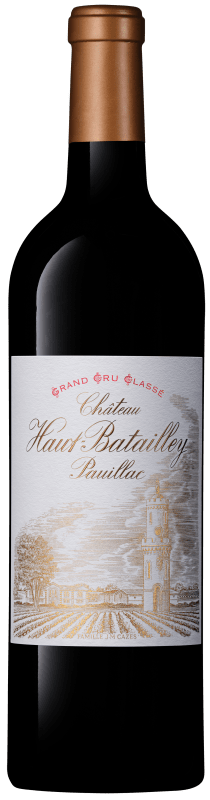


Winemaker Notes
Château Haut-Batailley is a harmonious, elegant wine with a fine tannic structure and will develop even more complexity and depth over time.
Blend: 58% Merlot, 37% Cabernet Sauvignon, 5% Petit Verdot
Professional Ratings
-
Vinous
The 2025 Haut-Batailley was picked between September 8 and 18, matured in 55% new oak. This has a more intense, bolder nose than the Verso, graphite-infused black fruit that is Pauillac through and through. Razor-sharp. The palate is medium-bodied with pliant tannins, but there is gentle and insistent grip. Sapid, an Haut Batailley that evokes images of the Gironde Estuary, this is a marvellous contribution to the vintage, perhaps the best under Jean-Charles Cazes. –Neal Martin
Barrel Sample: 95-97 -
Jeb Dunnuck
Graphite, lead pencil, and a beautiful core of red and black fruits all emerge from the 2025 Château Haut-Batailley, and this beauty showed consistently both times I was able to taste it. Medium to full-bodied, it has nicely integrated oak, a sunny, ripe, layered mouthfeel, and outstanding length. Based on 58% Cabernet Sauvignon, 37% Merlot, and 5% Petit Verdot, I love its overall balance and sheer charm, as well as its classic Pauillac style.
Barrel Sample: 93-95+ -
James Suckling
Medium- to full-bodied with well-placed tannins, a savory element and firm yet fine-grained tannins that add definition. Juicy and precise finish.
Barrel Sample: 94-95 -
Decanter
Wild floral scents on the nose with dark berry fruit – blackcurrants and plums. Some tobacco and liquorice too. Plump, wide, round and so smooth, velvety, not fleshy but still well textured so there’s ripeness, grip but also a cooling freshness that really elongates the expression. Lovely purity and clarity. A joyful wine, really smiley, happy and yet not lacking in anything. A soft sweetness and high acidity touch to the fruit.
Barrel Sample: 94 -
Robert Parker's Wine Advocate
Matured in 55% new barrels, the 2025 Haut-Batailley wafts from the glass with aromas of dark wild berries, spices, flowers and licorice, complemented by elegant notes of violet. Medium- to full-bodied, layered and concentrated, it’s built around a fleshy core of fruit framed by velvety tannins, concluding with a long, spicy and taut finish. A very fine wine in the making, it expresses a classical Médoc profile, notably with a fresh, subtly mentholated note on the finish. It's a blend of 58% Cabernet Sauvignon, 37% Merlot and 5% Petit Verdot.
Barrel Sample: 92-94

One of the world’s most classic and popular styles of red wine, Bordeaux-inspired blends have spread from their homeland in France to nearly every corner of the New World. Typically based on either Cabernet Sauvignon or Merlot and supported by Cabernet Franc, Malbec and Petit Verdot, the best of these are densely hued, fragrant, full of fruit and boast a structure that begs for cellar time. Somm Secret—Blends from Bordeaux are generally earthier compared to those from the New World, which tend to be fruit-dominant.

The leader on the Left Bank in number of first growth classified producers within its boundaries, Pauillac has more than any of the other appellations, at three of the five. Chateau Lafite Rothschild and Mouton Rothschild border St. Estephe on its northern end and Chateau Latour is at Pauillac’s southern end, bordering St. Julien.
While the first growths are certainly some of the better producers of the Left Bank, today they often compete with some of the “lower ranked” producers (second, third, fourth, fifth growth) in quality and value. The Left Bank of Bordeaux subscribes to an arguably outdated method of classification that goes back to 1855. The finest chateaux in that year were judged on the basis of reputation and trading price; changes in rank since then have been miniscule at best. Today producers such as Chateau Pontet-Canet, Chateau Grand Puy-Lacoste, Chateau Lynch-Bages, among others (all fifth growth) offer some of the most outstanding wines in all of Bordeaux.
Defining characteristics of fine wines from Pauillac (i.e. Cabernet-based Bordeaux Blends) include inky and juicy blackcurrant, cedar or cigar box and plush or chalky tannins.
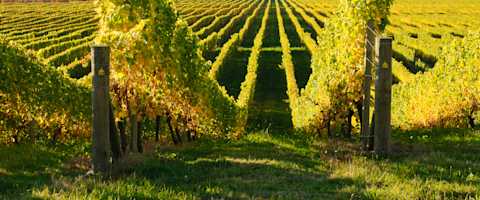
Layers of gravel in the Pauillac region are key to its wines’ character and quality. The layers offer excellent drainage in the relatively flat topography of the region allowing water to run off into “jalles” or streams, which subsequently flow off into the Gironde.