


Winemaker Notes
Elegant, limpid, brilliant gold color. The nose reveals a magnificent, fresh, floral bouquet, dominated by delicate notes of white flowers and juicy peach. Particularly refined, the palate reveals superb freshness and a perfect balance of roundness, finesse and complexity, underpinned by fine acidity and a supple, silky texture that delicately underscore delicious peach and citrus aromas. The well-balanced finish is long-lasting, thanks to a fine bitterness that adds a delicately saline note. A very fine vintage of white Beaucastel, of great refinement.
Blend: 80% Roussanne, 15% Grenache Blanc, 5%Picardan, Clairette & Bourboulenc
Professional Ratings
-
Jeb Dunnuck
Rocking stuff, the 2023 Châteauneuf Du Pape Blanc boasts a vivid gold hue to go with a killer nose of honeyed stone fruits, toasted almonds, flower oil, and caramelized orange. It's medium to full-bodied, concentrated, has a supple, seamless mouthfeel, and the fresh, elegant style of the vintage.
-
James Suckling
A textured, dense, silky and harmonious white blend of roussanne, grenache blanc, picardan, bourboulenc and clairette. The nose exhibits aromas of baked lemons, verbena, beeswax, wild herbs and some dried spices. Medium-bodied with moderate acidity. The cooked lemons and herbs bring a lively, energetic mid-palate. It’s oily and highly textural. Vibrant and long. Drink or hold.
-
Robert Parker's Wine Advocate
The 2023 Chateauneuf du Pape Blanc from Château de Beaucastel reveals aromas of ripe pear, white flowers, herbs, spices and hints of fresh thyme. Medium to full-bodied, round and sappy, it’s enrobing and generous with a seamless texture, gastronomic bitterness and a long, saline, fresh finish. Very harmonious, this is a deep, fleshy Châteauneuf-du-Pape composed of 80% Roussanne and 20% Clairette, Grenache Blanc, Bourboulenc, Picardan and Piquepoul.
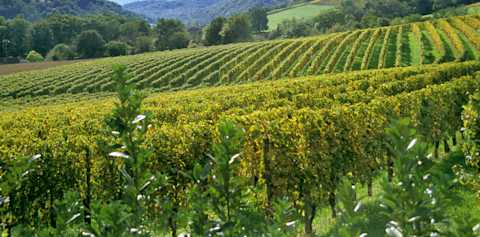
Full-bodied and flavorful, white Rhône blends originate from France’s Rhône Valley. Today these blends are also becoming popular in other regions. Typically some combination of Grenache Blanc, Marsanne, Roussanne and Viognier form the basis of a white Rhône blend with varying degrees of flexibility depending on the exact appellation. Somm Secret—In the Northern Rhône, blends of Marsanne and Roussanne are common but the south retains more variety. Marsanne, Roussanne as well as Bourboulenc, Clairette, Picpoul and Ugni Blanc are typical.

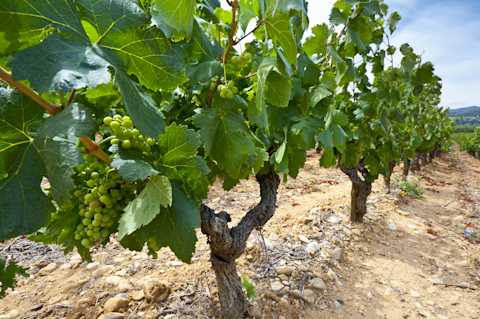
Famous for its full-bodied, seductive and spicy reds with flavor and aroma characteristics reminiscent of black cherry, baked raspberry, garrigue, olive tapenade, lavender and baking spice, Châteauneuf-du-Pape is the leading sub-appellation of the southern Rhône River Valley. Large pebbles resembling river rocks, called "galets" in French, dominate most of the terrain. The stones hold heat and reflect it back up to the low-lying gobelet-trained vines. Though the galets are typical, they are not prominent in every vineyard. Chateau Rayas is the most obvious deviation with very sandy soil.
According to law, eighteen grape varieties are allowed in Châteauneuf-du-Pape and most wines are blends of some mix of these. For reds, Grenache is the star player with Mourvedre and Syrah coming typically second. Others used include Cinsault, Counoise and occasionally Muscardin, Vaccarèse, Picquepoul Noir and Terret Noir.
Only about 6-7% of wine from Châteauneuf-du-Pape is white wine. Blends and single-varietal bottlings are typically based on the soft and floral Grenache Blanc but Clairette, Bourboulenc and Roussanne are grown with some significance.
The wine of Chateauneuf-du-Pape takes its name from the relocation of the papal court to Avignon. The lore says that after moving in 1309, Pope Clément V (after whom Chateau Pape-Clément in Pessac-Léognan is named) ordered that vines were planted. But it was actually his successor, John XXII, who established the vineyards. The name however, Chateauneuf-du-Pape, translated as "the pope's new castle," didn’t really stick until the 19th century.