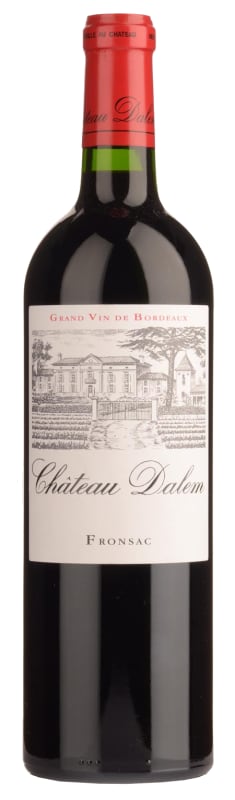


Winemaker Notes
Blend: 85% Merlot, 14% Cabernet Franc, 1% Malbec
Professional Ratings
-
James Suckling
An energetic nose of fresh, racy red berries, currants and some paprika and chalk. Pure and expressive, with medium body and firm, crunchy tannins. Linear and coiled, with a long, pristine and defined finish. More agile and vibrant than deep and rich. It grows on you with its mineral energy. Merlot and cabernet franc. Drink now or hold.
-
Vinous
The 2023 Dalem has a very composed and concentrated bouquet, nicely focused and demonstrating assiduous use of new oak. The palate is medium-bodied with pliant tannins, sorbet-fresh with hints of blood orange interwoven through its fabric. Quite persistent on the finish, this is a Dalem with tons of promise. Superb. –Neal Martin
Barrel Sample: 92-94 -
Decanter
The brilliant violet robe elicits wet stone, raspberry, plum, aniseed and violet - a lovely nose. The palate has a high-toned profile with slightly raw tannin but excellent energy and mid palate juiciness. There is an undeniable backwards aspect to the wine, but given the substance and structure, I suspect that the barrel ageing in 50% new oak will broaden and deepen the palate.
Barrel Sample: 93 -
Wine Spectator
Very fresh in feel, with a racy edge of iris and red tea to the mix of red currant and bitter cherry fruit. A sleek, chalky underpin- ning adds a minerally twang. Merlot, Cabernet Sauvignon and Malbec
-
Wine Enthusiast
A juicy wine,with ripe tannins and plenty of spice from 18months wood aging, this is well balanced. The wine, withits black-fruit aroma and its dry core has plenty of agingpotential.
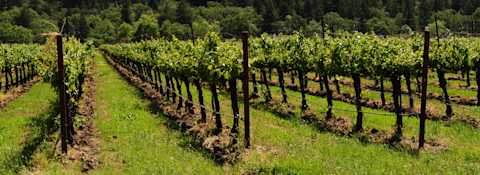

One of the world’s most classic and popular styles of red wine, Bordeaux-inspired blends have spread from their homeland in France to nearly every corner of the New World. Typically based on either Cabernet Sauvignon or Merlot and supported by Cabernet Franc, Malbec and Petit Verdot, the best of these are densely hued, fragrant, full of fruit and boast a structure that begs for cellar time. Somm Secret—Blends from Bordeaux are generally earthier compared to those from the New World, which tend to be fruit-dominant.

Home of the very first remarkable Right Bank wines, dating back to the 1730s, Fronsac and Canon-Fronsac actually retained more fame than Pomerol well into the 19th century. Today these wines represent some of Bordeaux’s best hidden gems.
Fronsac is a very small region at an unusually high elevation compared to other Bordeaux appellations. Its vineyards unroll along the oak-dotted hills bordering the river’s edge, making it perhaps Bordeaux’s prettiest and most majestic countryside.
Merlot covers 60% of the vineyard acreage; the rest of the vines are Cabernet Franc and Cabernet Sauvignon. The Fronsac and Canon-Fronsac appellations are limited to the higher land where soils are predominantly limestone and sandstone. Lower vineyards along the Dordogne River mainly qualify for Bordeaux AOC status
The best Fronsac are deeply concentrated in ripe red and black berry; they have a solid mineral backbone and are rich and plush on the finish.