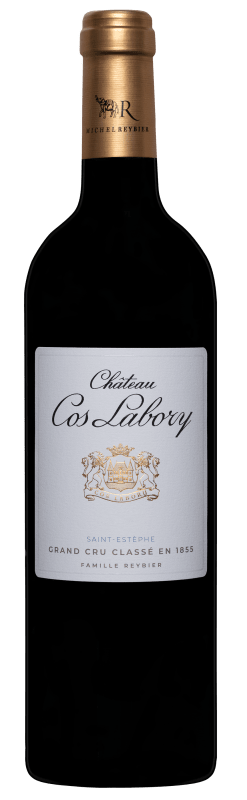


Winemaker Notes
Blend: 55% Cabernet Sauvignon, 34% Merlot, 11% Cabernet Franc
Professional Ratings
-
James Suckling
A chewy and silky red at the same time, with dark berries, hazelnut and spice undertones that follow through to a medium- to full-bodied palate, with fresh fruit and a fresh finish. A blend of 55% cabernet sauvignon, 34% merlot and 11% cabernet franc.
Barrel Sample: 94-95 -
Jeb Dunnuck
Red, blue, and black fruits, sappy flowers, violets, and graphite all emerge from the 2025 Château Cos Labory, a blend of 55% Cabernet Sauvignon, 34% Merlot, and 11% Cabernet Franc that's being raised in 20% new barriques. On the palate, it's medium-bodied with a pure, nicely balanced, elegant mouthfeel, silky tannins, and a great finish. It checks in at 13.4% alcohol with a pH of 3.63, and I love its overall balance and purity.
Barrel Sample: -
Decanter
Crisp fragrance on the nose, red berries and red flowers. Such a vivid pink colour to the wine in the glass. Bright tangy acidity with crisp tannins and a cool undercurrent of wet stones and graphite. Clean and focused, a classic element with freshness at the fore. Streamlined but with a soft grip and texture to the well-integrated tannins. A little serious but well made. You really feel the Cabernet here – mint, tobacco, crushed stones. Grippy, juicy but cool and tight too.
Barrel Sample: 90 -
Vinous
The 2025 Cos Labory represents another step forward under Michel Reybier's ownership. A dark, potent Saint-Estèphe, Cos Labory offers up an exotic mix of dark red-toned fruit, rose petal, blood orange, spice, bay leaf and tobacco. There's a bit more Cabernet Franc in the blend this year, which likely explains the wine's aromatic intensity and strong savory accents. –Antonio Galloni
Barrel Sample: 91-93 -
Robert Parker's Wine Advocate
Offering up aromas of plums, dark berries and pencil shavings, the 2025 Cos Labory is medium- to full-bodied, with a lively core of fruit underpinned by sweet, powdery tannins. A blend of 55% Cabernet Sauvignon, 34% Merlot and 11% Cabernet Franc, this remains a somewhat structured wine in style, but it's exhibiting greater refinement from vintage to vintage.
Barrel Sample: 90-92
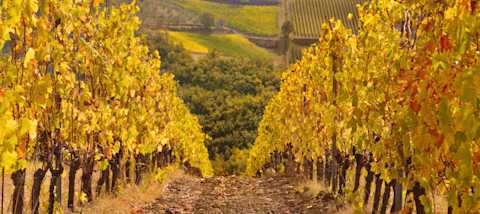

One of the world’s most classic and popular styles of red wine, Bordeaux-inspired blends have spread from their homeland in France to nearly every corner of the New World. Typically based on either Cabernet Sauvignon or Merlot and supported by Cabernet Franc, Malbec and Petit Verdot, the best of these are densely hued, fragrant, full of fruit and boast a structure that begs for cellar time. Somm Secret—Blends from Bordeaux are generally earthier compared to those from the New World, which tend to be fruit-dominant.

Deeply colored, concentrated, and distinctive, St. Estephe is the go-to for great, age-worthy and reliable Bordeaux reds. Separated from Pauillac merely by a stream, St. Estephe is the farthest northwest of the highest classed villages of the Haut Medoc and is therefore subject to the most intense maritime influence of the Atlantic.
St. Estephe soils are rich in gravel like all of the best sites of the Haut Medoc but here the formation of gravel over clay creates a cooler atmosphere for its vines compared to those in the villages farther downstream. This results in delayed ripening and wines with higher acidity compared to the other villages.
While they can seem a bit austere when young, St. Estephe reds prove to live very long in the cellar. Traitionally dominated by Cabernet Sauvignon, many producers now add a significant proportion of Merlot to the blend, which will soften any sharp edges of the more tannic, Cabernet.
The St. Estephe village contains two second growths, Chateau Montrose and Cos d’Estournel.