

Winemaker Notes
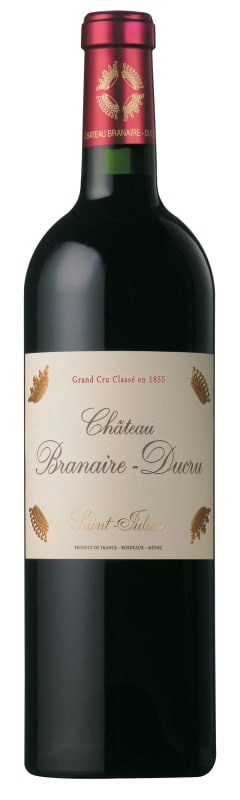
Blend: 61% Cabernet Sauvignon, 30% Merlot, 5.5% Cabernet Franc, 3.5% Petit Verdot
Professional Ratings
-
Decanter
Really fragrant on the nose; graphite and liquorice, dark blackcurrant and bramble fruit elements with highly-charged floral aromatics. Smells rich and ripe but clean also. Precise and finessed, this has a lovely energy straight away, great movement and motion from start to finish. Juicy and supple, crunchy, really lovely acidity, not too sharp or too tart with fine tannins that give such a lovely frame. Not dense at all - this is streamlined but is given some weight by the ripe fruit and some texture by the soft stoniness. Pretty and stylish and still packing some power - has a tiny air of opulence about it probably because they’ve used all four grapes with Petit Verdot and Cabernet Franc adding complexity. It has a bit more warmth, and a touch of sweetness, than some others which are more straight. I like this a lot, still with freshness and cool undertones. Hints of cedar and spiced mint on the finish with some graphite and wet stone too. 18 months ageing, 60% new oak. 13% press wine. First vintage in the new, gravity-fed cellar. 53% grand vin production. 3.63pH. 51hl/ha yield. 3.5% Petit Verdot completes the blend.
Barrel Sample: 95 -
James Suckling
Classic Saint-Julien with a layer of minerals over the fruit, showing clear aromas of cassis and citrus plus a touch of fine, roasted spices. A hint of graphite and tobacco. Medium-bodied, taut and precise, with intensity and a long, integrated finish. This is more about elegance than power and density. A blend of 61% cabernet sauvignon, 30% merlot, 5.5% cabernet franc and 3.5% petit verdot. Drinkable now but better from 2027.
-
Jeb Dunnuck
A blend of 61% Cabernet Sauvignon, 30% Merlot, 5.5% Cabernet Franc, and 3.5% Petit Verdot aged 18 months in 60% new French oak, the 2023 Château Branaire-Ducru offers terrific aromatics of pure cassis, graphite, lots of leafy herbs, violets, and spicy wood on the nose. Medium-bodied on the palate, it has good concentration, ripe, polished tannins, and nicely integrated acidity. Balanced and complex, with outstanding length, it's very much in the style of this classic, ripe, more medium-bodied vintage.
-
Robert Parker's Wine Advocate
The 2023 Branaire-Ducru is a real success, revealing aromas of dark berries, plums, licorice and lead pencil, subtly accented by spice. Medium- to full-bodied, seamless and layered, it is built around a vibrant, finely delineated core of fruit framed by powdery tannins, concluding with a long, perfumed and sapid finish.
-
Vinous
The 2023 Branaire Ducru was picked from September 12, on the same day as last year, albeit with a longer harvest, as they finished on October 4. Yields were 53hL/ha, and the blend is almost the same as the 2022. This is the second vintage made in the new winery. My sample came from a new-oak barrel, but the final blend will include 60%. Lucid purple in color, it has a charming, very pure bouquet, perhaps less opulent than some of its Saint-Julien peers, yet precise. Delicate floral scents permeate the predominant red fruit, never bursting from the glass but unfurling with aeration. The palate is medium-bodied with slightly edgy tannins that impart tension, veering slightly more to black fruit on the mid-palate. This is certainly one of the most elegant Branaire-Ducru vintages to date, but it has more weight on the finish (something that has been addressed in recent years.) Understated and sapid, it should be open for business a little earlier than others, but it will age well over 20 to 25 years.–Neal Martin
Barrel Sample: 92-94 -
Wine Spectator
This lets aromatically expressive notes of apple wood, plum paste and black licorice splash through, with a brambly feel along the edges and cast iron running underneath, providing a solid frame. Shows ample energy and textbook AOC character. For the cellar. Cabernet Sauvignon, Merlot, Cabernet Franc and Petit Verdot.
-
Wilfred Wong of Wine.com
Through decades of drinking pleasure, I have consistently been rewarded when opening a bottle of Château Branaire-Ducru. The 2023 vintage is fragrant and smooth, offering ripe red and black fruit aromas that unfold with poise and clarity. On the palate, the wine remains focused and precise, finishing with firm, polished tannins that underscore its classic Saint-Julien character. Pair this wine with a traditional Médoc-style preparation of pork loin, roasted with garlic, thyme, and shallots, finished with a light pan sauce in which the savory herbs and gentle richness echo the wine’s structure and purity. (Tasted: January 22, 2026, San Francisco, CA)


One of the world’s most classic and popular styles of red wine, Bordeaux-inspired blends have spread from their homeland in France to nearly every corner of the New World. Typically based on either Cabernet Sauvignon or Merlot and supported by Cabernet Franc, Malbec and Petit Verdot, the best of these are densely hued, fragrant, full of fruit and boast a structure that begs for cellar time. Somm Secret—Blends from Bordeaux are generally earthier compared to those from the New World, which tend to be fruit-dominant.

An icon of balance and tradition, St. Julien boasts the highest proportion of classed growths in the Médoc. What it lacks in any first growths, it makes up in the rest: five amazing second growth chateaux, two superb third growths and four well-reputed fourth growths. While the actual class rankings set in 1855 (first, second, and so on the fifth) today do not necessarily indicate a score of quality, the classification system is important to understand in the context of Bordeaux history. Today rivalry among the classed chateaux only serves to elevate the appellation overall.
One of its best historically, the estate of Leoville, was the largest in the Médoc in the 18th century, before it was divided into the three second growths known today as Chateau Léoville-Las-Cases, Léoville-Poyferré and Léoville-Barton. Located in the north section, these are stone’s throw from Chateau Latour in Pauillac and share much in common with that well-esteemed estate.
The relatively homogeneous gravelly and rocky top soil on top of clay-limestone subsoil is broken only by a narrow strip of bank on either side of the “jalle,” or stream, that bisects the zone and flows into the Gironde.
St. Julien wines are for those wanting subtlety, balance and consistency in their Bordeaux. Rewarding and persistent, the best among these Bordeaux Blends are full of blueberry, blackberry, cassis, plum, tobacco and licorice. They are intense and complex and finish with fine, velvety tannins.