


Winemaker Notes
Crafting a non-vintage brut means drawing each year from the very best that Champagne has to offer, creating a joyful expression of fresh fruit, balance, and elegance true to the Thiénot style.
The Champagne reveals a beautiful pale golden hue with a silky brilliance. The nose is expressive and generous, unfolding notes of orchard fruits, juicy peach, pear, and ripe yellow fruits. On the palate, it is round, fresh, and beautifully balanced, carried by a lively yet delicate effervescence.
Blending the freshness of Chardonnay, the structure of Pinot Noir, and the fruit-forward charm of Meunier, this brut captures the harmony, finesse, and complexity at the heart of the Thiénot philosophy.
Blend: 45% Pinot Meunier, 30% Pinot Noir, 25% Chardonnay
*The label for Champagne Thiénot Brut is in the process of changing. You may receive either of these two labels featured above. Specific labels cannot be requested.
Professional Ratings
-
Wine Enthusiast
The Champagne is rich and lightly spicy. Meunier, the prominent grape in the blend, adds a soft texture to the ripeness. The wine has a ripe apple aroma and a lemon aftertaste.
-
James Suckling
This balanced Champagne has aromas of sliced apples, lemon pastries and grapefruit. It’s clean and fresh, with creamy bubbles. 45% meunier, 30% pinot noir and 25% chardonnay. Based on 2019 with 35% reserve wines. 4g/L dosage.
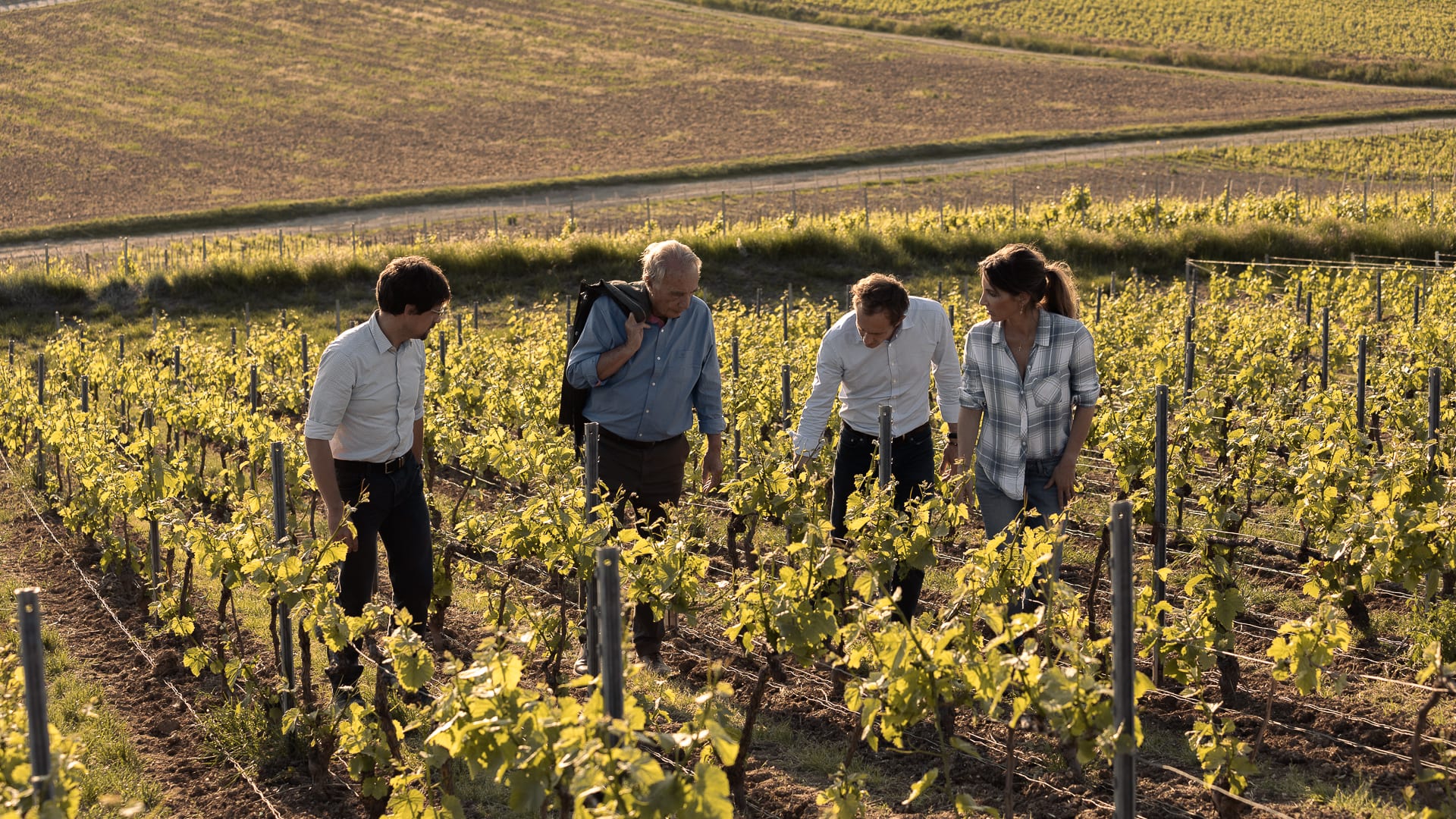




Champagne Thiénot symbolizes the very essence of Champange and Bordeaux, France with its exclusive, global and contemporary profile. For 25 years, Alain Thiénot has built the foundations for a new champagne house, with the greatest respect for a number of core values: quality, modernity and luxury, values which have enabled the vineyards to show their true potential.
The Thiénot approach is family-orientated, where modernity combines with a respect for tradition, creativity meets quality, and where passion unites with exacting standards.
Champagne is an art without compromise. The Thiénot approach combines individuality, flair and selectiveness to create a unique style: Finesse, elegance and subtlety. This approach has helped Champagne Thiénot gain international stature, uniting prestige and innovation.

A term typically reserved for Champagne and Sparkling Wines, non-vintage or simply “NV” on a label indicates a blend of finished wines from different vintages (years of harvest). To make non-vintage Champagne, typically the current year’s harvest (in other words, the current vintage) forms the base of the blend. Finished wines from previous years, called “vins de reserve” are blended in at approximately 10-50% of the total volume in order to achieve the flavor, complexity, body and acidity for the desired house style. A tiny proportion of Champagnes are made from a single vintage.
There are also some very large production still wines that may not claim one particular vintage. This would be at the discretion of the winemaker’s goals for character of the final wine.

Associated with luxury, celebration, and romance, the region, Champagne, is home to the world’s most prized sparkling wine. In order to bear the label, ‘Champagne’, a sparkling wine must originate from this northeastern region of France—called Champagne—and adhere to strict quality standards. Made up of the three towns Reims, Épernay, and Aÿ, it was here that the traditional method of sparkling wine production was both invented and perfected, birthing a winemaking technique as well as a flavor profile that is now emulated worldwide.
Well-drained, limestone and chalky soil defines much of the region, which lend a mineral component to its wines. Champagne’s cold, continental climate promotes ample acidity in its grapes but weather differences from year to year can create significant variation between vintages. While vintage Champagnes are produced in exceptional years, non-vintage cuvées are produced annually from a blend of several years in order to produce Champagnes that maintain a consistent house style.
With nearly negligible exceptions, . These can be blended together or bottled as individual varietal Champagnes, depending on the final style of wine desired. Chardonnay, the only white variety, contributes freshness, elegance, lively acidity and notes of citrus, orchard fruit and white flowers. Pinot Noir and its relative Pinot Meunier, provide the backbone to many blends, adding structure, body and supple red fruit flavors. Wines with a large proportion of Pinot Meunier will be ready to drink earlier, while Pinot Noir contributes to longevity. Whether it is white or rosé, most Champagne is made from a blend of red and white grapes—and uniquely, rosé is often produce by blending together red and white wine. A Champagne made exclusively from Chardonnay will be labeled as ‘blanc de blancs,’ while ones comprised of only red grapes are called ‘blanc de noirs.’