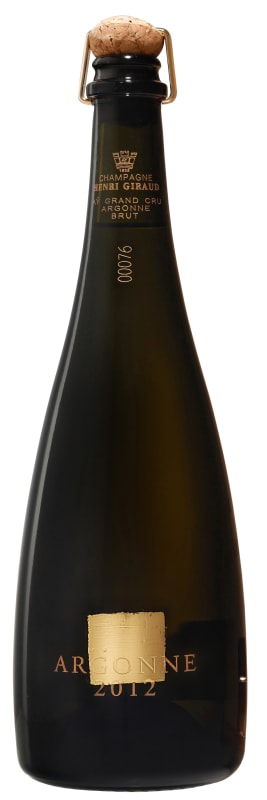


Winemaker Notes
90% Pinot Noir, 10% Chardonnay Vinified and raised in new oak barrels from the Argonne forest
Professional Ratings
-
James Suckling
This is an extraordinary, hand-crafted Champagne with aromas of strawberries, spice, dried apples, clementines and subtle bread dough. Dried oranges, too. Full-bodied, yet so tight, compact and powerful with a solid core of fruit and a finish that goes on forever. 90% pinot noir and 10% chardonnay, all from the village of Ay and fermented and aged in new wood for 15 months. Then aged in bottle. Superb structure and complexity. One for the cellar.
-
Decanter
The bouquet is simply sumptuous with hints of mint and anise, overlying its 'al dente' or slightly crunchy white fruit, along with an enticing grace note of gentle spices. On the palate, the texture is fleshy, almost creamy, but perfectly balanced with remarkable overall precision, and enlivened by the stream of very fine bubbles. A great Champagne that manages the rare feat of having a style that is both vinous and delicate. 100% provenance from Aÿ. 100% new oak barrels. 90% Pinot Noir, 10% Chardonnay. Only 5,000 bottles produced. Dosage: 6g/L, disgorged April 2020.
-
Robert Parker's Wine Advocate
Revisited after an additional year in bottle, the 2012 Brut Grand Cru Aÿ Argonne continues to show brilliantly, unwinding in the glass with notes of golden orchard fruit, dried citrus peel, tarte tatin, warm spices, walnuts and toasted bread. Full-bodied, deep and concentrated, it's vinous and multidimensional, with superb concentration, racy acids and a delicate pinpoint mousse. Seamless and integrated, it's still an infant and will reward further bottle age.
Representing the topmost expression of a Champagne house, a vintage Champagne is one made from the produce of a single, superior harvest year. Vintage Champagnes account for a mere 5% of total Champagne production and are produced about three times in a decade. Champagne is typically made as a blend of multiple years in order to preserve the house style; these will have non-vintage, or simply, NV on the label. The term, "vintage," as it applies to all wine, simply means a single harvest year.

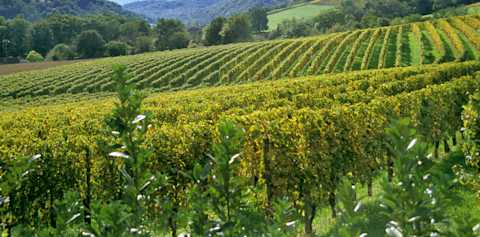
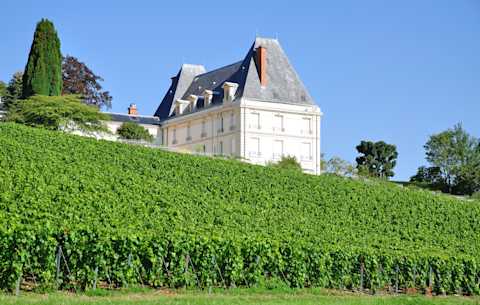
Associated with luxury, celebration, and romance, the region, Champagne, is home to the world’s most prized sparkling wine. In order to bear the label, ‘Champagne’, a sparkling wine must originate from this northeastern region of France—called Champagne—and adhere to strict quality standards. Made up of the three towns Reims, Épernay, and Aÿ, it was here that the traditional method of sparkling wine production was both invented and perfected, birthing a winemaking technique as well as a flavor profile that is now emulated worldwide.
Well-drained, limestone and chalky soil defines much of the region, which lend a mineral component to its wines. Champagne’s cold, continental climate promotes ample acidity in its grapes but weather differences from year to year can create significant variation between vintages. While vintage Champagnes are produced in exceptional years, non-vintage cuvées are produced annually from a blend of several years in order to produce Champagnes that maintain a consistent house style.
With nearly negligible exceptions, . These can be blended together or bottled as individual varietal Champagnes, depending on the final style of wine desired. Chardonnay, the only white variety, contributes freshness, elegance, lively acidity and notes of citrus, orchard fruit and white flowers. Pinot Noir and its relative Pinot Meunier, provide the backbone to many blends, adding structure, body and supple red fruit flavors. Wines with a large proportion of Pinot Meunier will be ready to drink earlier, while Pinot Noir contributes to longevity. Whether it is white or rosé, most Champagne is made from a blend of red and white grapes—and uniquely, rosé is often produce by blending together red and white wine. A Champagne made exclusively from Chardonnay will be labeled as ‘blanc de blancs,’ while ones comprised of only red grapes are called ‘blanc de noirs.’