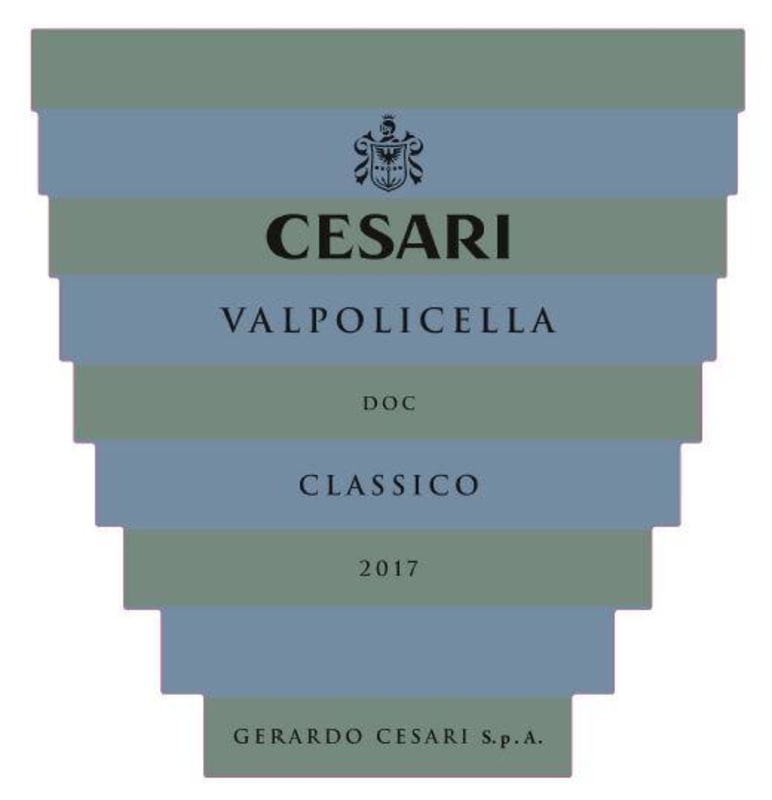

Winemaker Notes
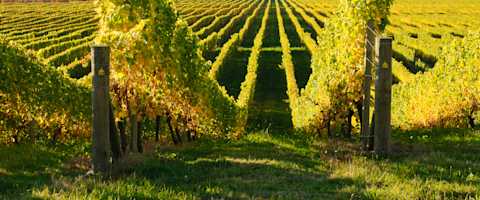


Cesari was founded in 1936 by Gerardo Cesari who set out to produce an Amarone capable of competing with the great red wines of the world. Joined by his son Franco in the early 1960s, operations were expanded in an effort to conquer the export market. As one of the first Italian wines to be exported to all five continents, the Cesari name quickly became synonymous with Amarone the world round.
The winery continues to evolve while staying true to its regional roots. Franco’s children, Gerardo and Deborah, have joined their father in upholding the pillars of traditional winemaking while introducing innovative technology at their two state-of-the-art cellars.
Their estate holdings include more than 100 hectares of hillside vineyards located in premier sites in the Valpolicella appellation, including 3 single vineyards, primarily in the historic Classico area. An additional 10 hectares of 100% estate-managed vineyards under long-term lease are located throughout the Veneto region. All are primarily planted to indigenous varietals, with a small percentage of international grapes, carefully harvested by hand ensuring that only the best grapes are selected. In recent years, Cesari has adopted environmentally sustainable growing practices. Focused on quality, Cesari extensively ages their wines beyond the DOCG regulations.
The Cesari portfolio is comprised of unique, elegant, and balanced appellation wines renowned for authenticity, respected for regional character, and distinguished for superior quality.
Italian Red Wine
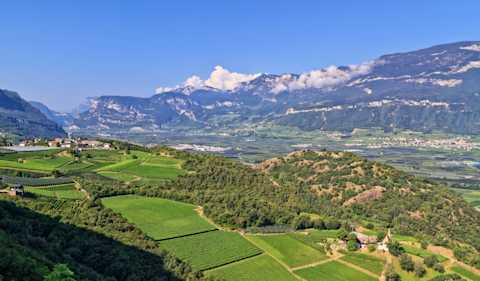
While picturesque hillsides, endless coastlines and a favorable climate serve to unify the grape-growing culture of this country. The apparent never-ending world of indigenous grape varieties gives Italy an unexampled charm and allure for its red wines. From the steep inclines of the Alps to the sprawling, warm, coastal plains of the south, red grape varieties thrive throughout.
The kings of Italy, wines like Barolo and Barbaresco (made of Nebbiolo), and Chianti and Brunello di Montalcino (made of Sangiovese), as well as Amarone (mostly Corvina), play center stage for the most lauded, collected and cellar-worthy reds. Less popular but entirely deserving of as much praise are the wines made from Aglianico, Sagrantino and Nerello Mascalese.
For those accustomed to drinking New World reds, the south is the place to start. Grapes like Negroamaro or Primitvo from Puglia and Nero d’Avola from Sicily make soft, ammicable, full-bodied, fruit-dominant wines. Curious palates should be on the lookout for Cannonau (Grenache), Lagrein, Teroldego, Ruché, Freisa, Cesanese, Schiopettino, Rossese and Gaglioppo to name a few.